Trash Bash

From Giles, 12/7/19

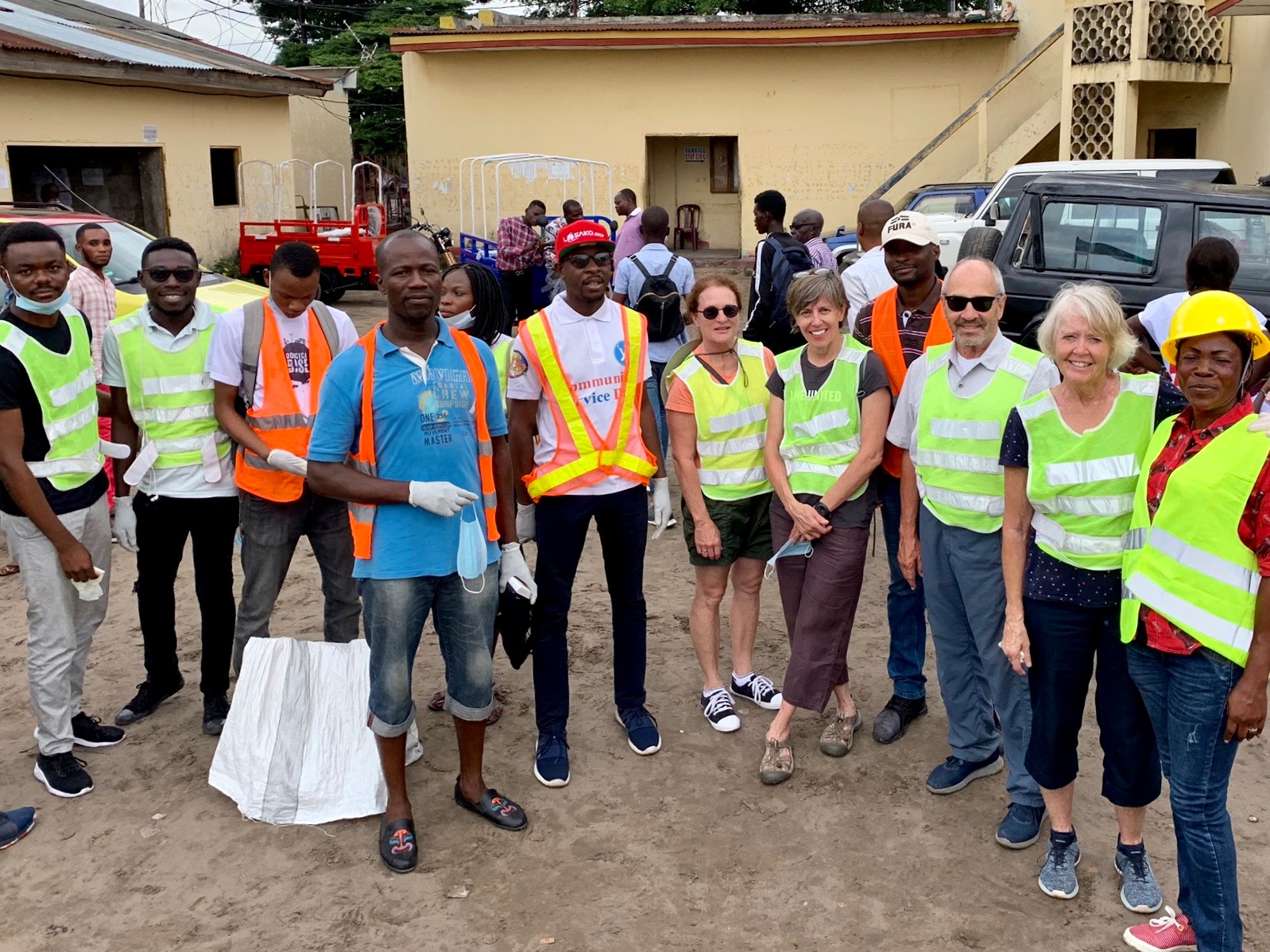
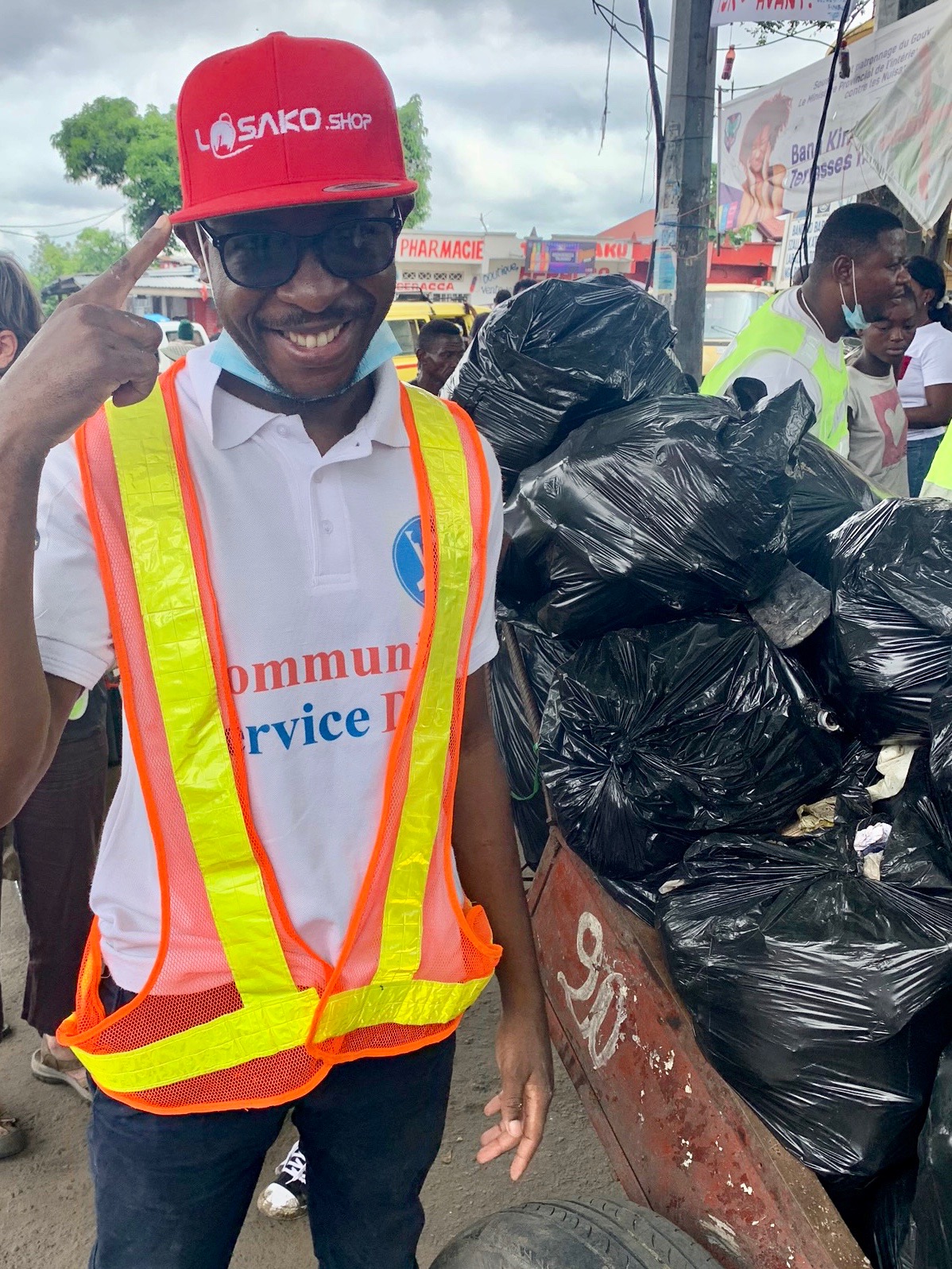
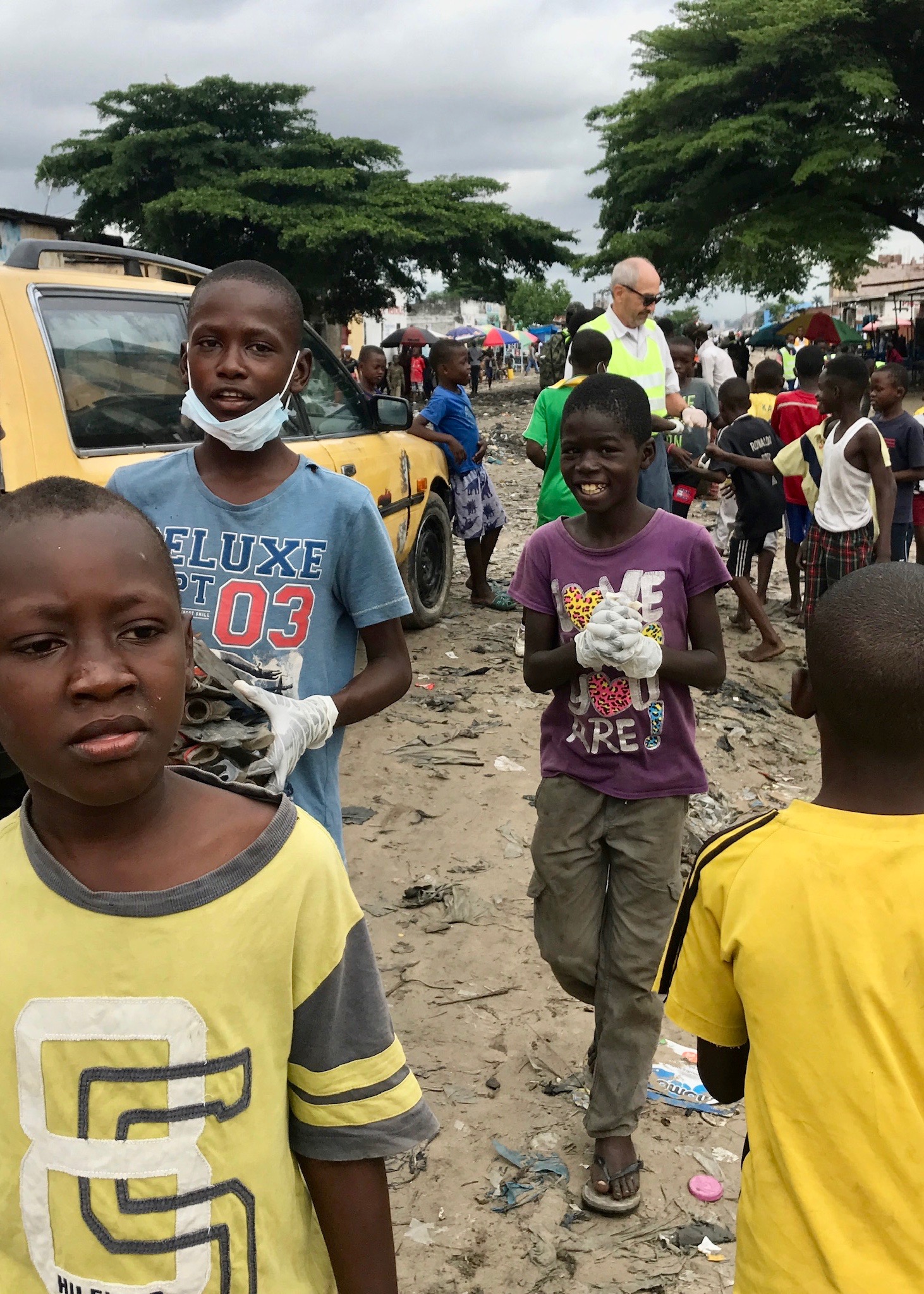
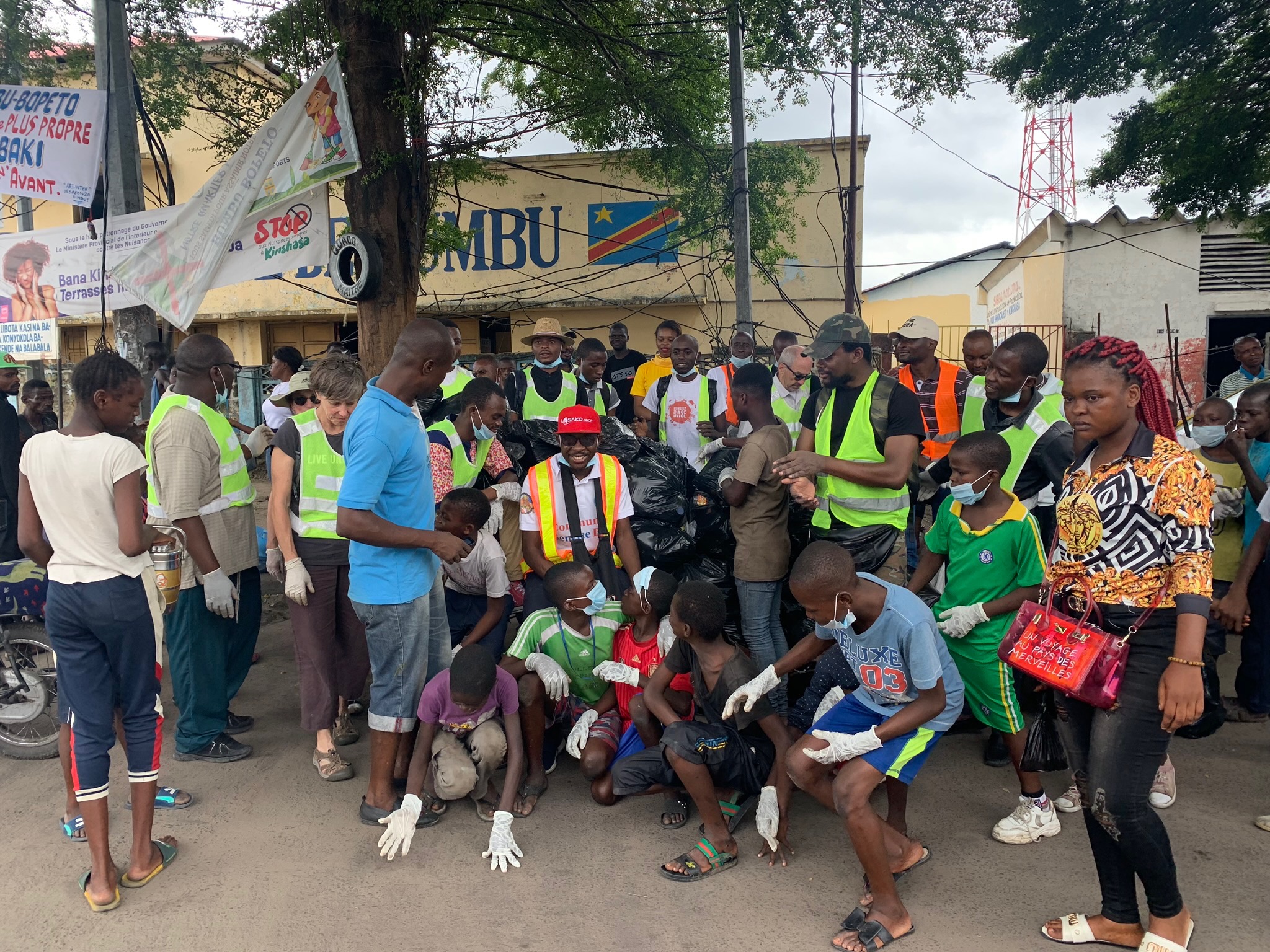
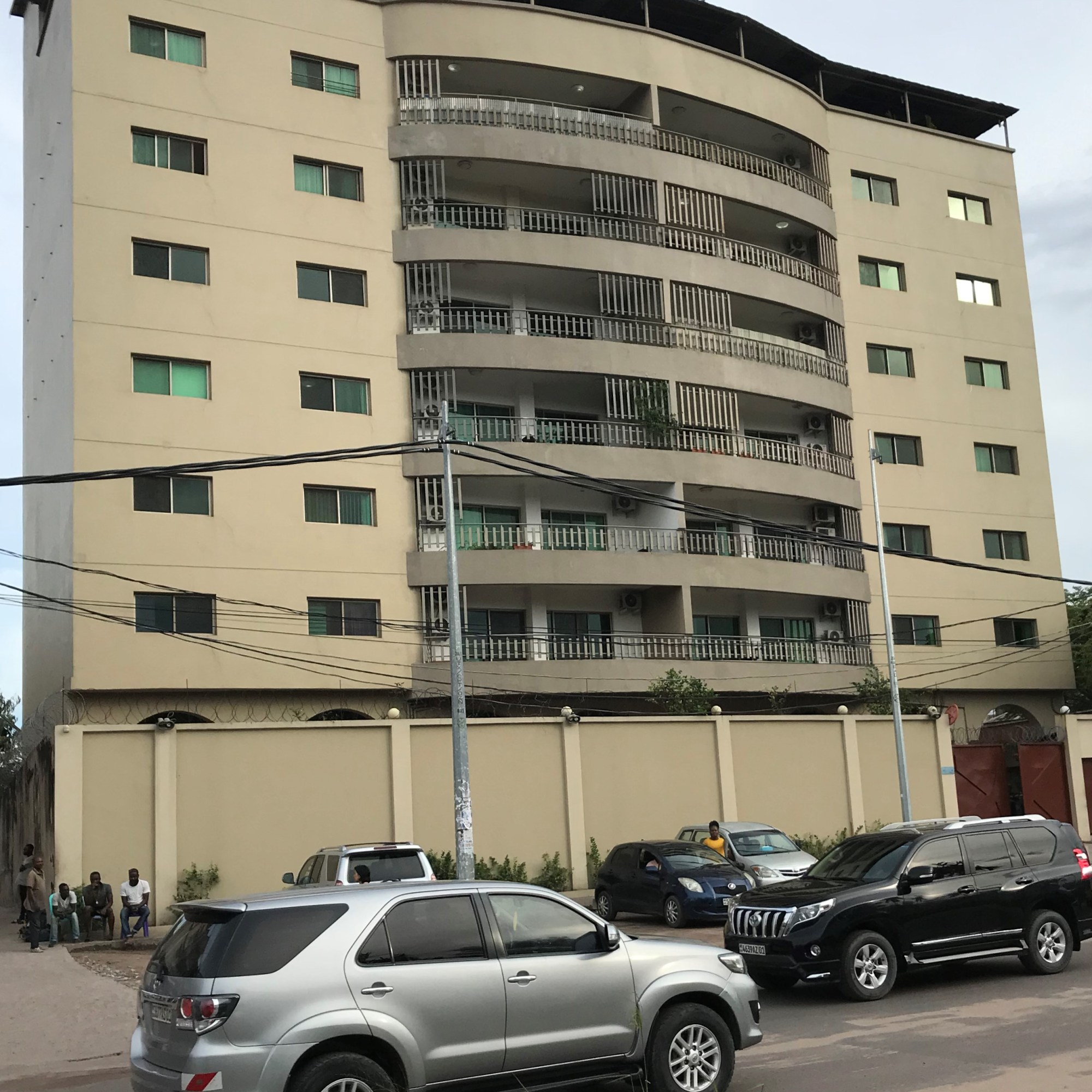
Among the wonderful people we’ve met here in Kinshasa, Jean Felix Mwema has made a deep impression on us. He has committed his life to being an activist for change in the DRC, where much change is badly needed. For brevity, I’ll call him JF, and he invited us to a cleanup project last Saturday, for a whole section of the city. We were among nearly fifty people who walked the streets with big black plastic bags picking up waste. It was quite a sight. And it caught the attention of people in the neighborhoods we passed through. The fact that four of us were white no doubt added to the surprise on the faces of people watching, either in the little shops along the way or other pedestrians or those in vehicles dodging us.

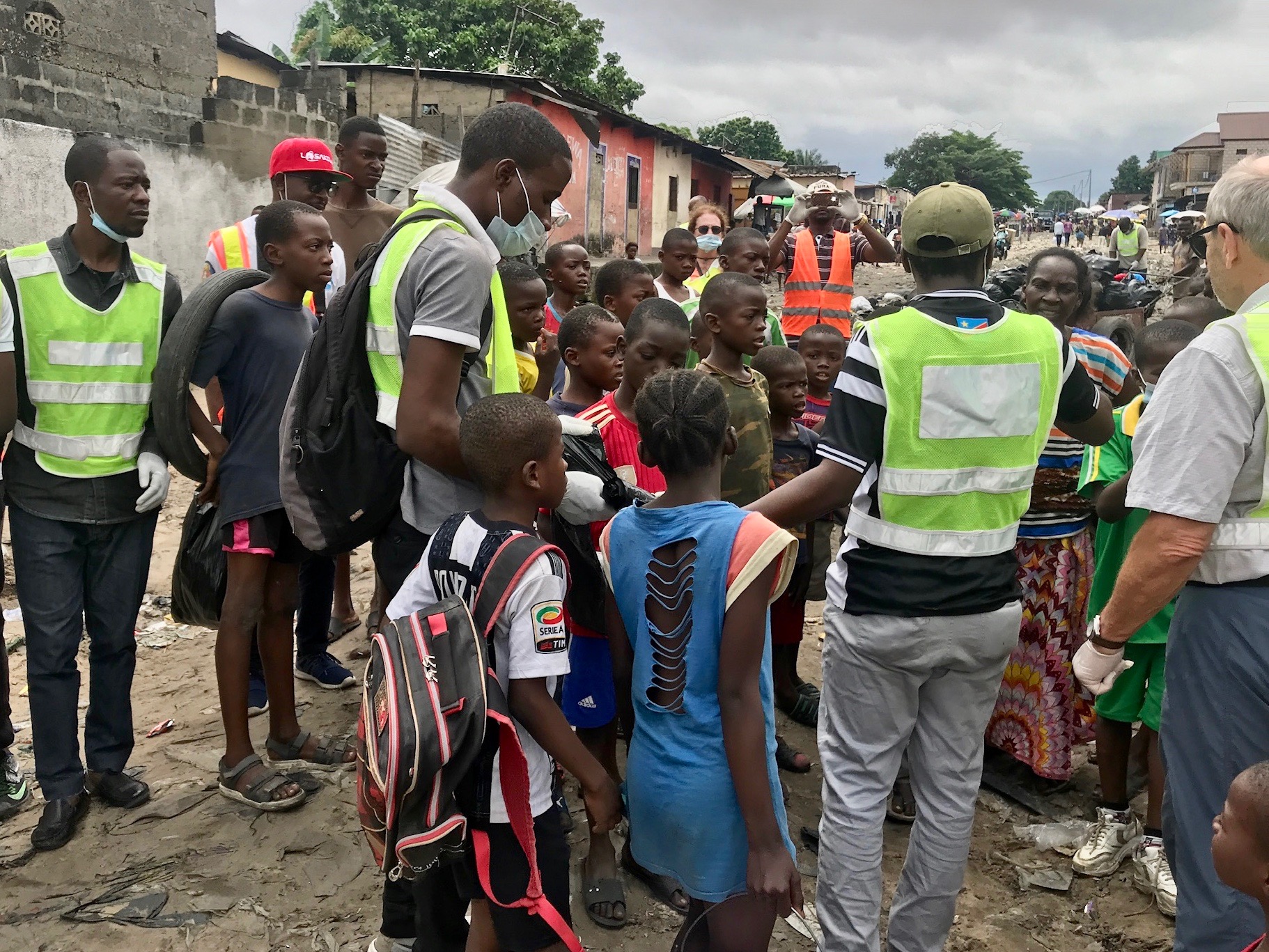
Apparently some onlookers began asking why people (especially white people) were doing this. Were we getting paid? So JF and his community organizers took time to explain (in Lingala or French) that this was voluntary and that the intent was not just to clean up but to encourage people to take pride in their city.

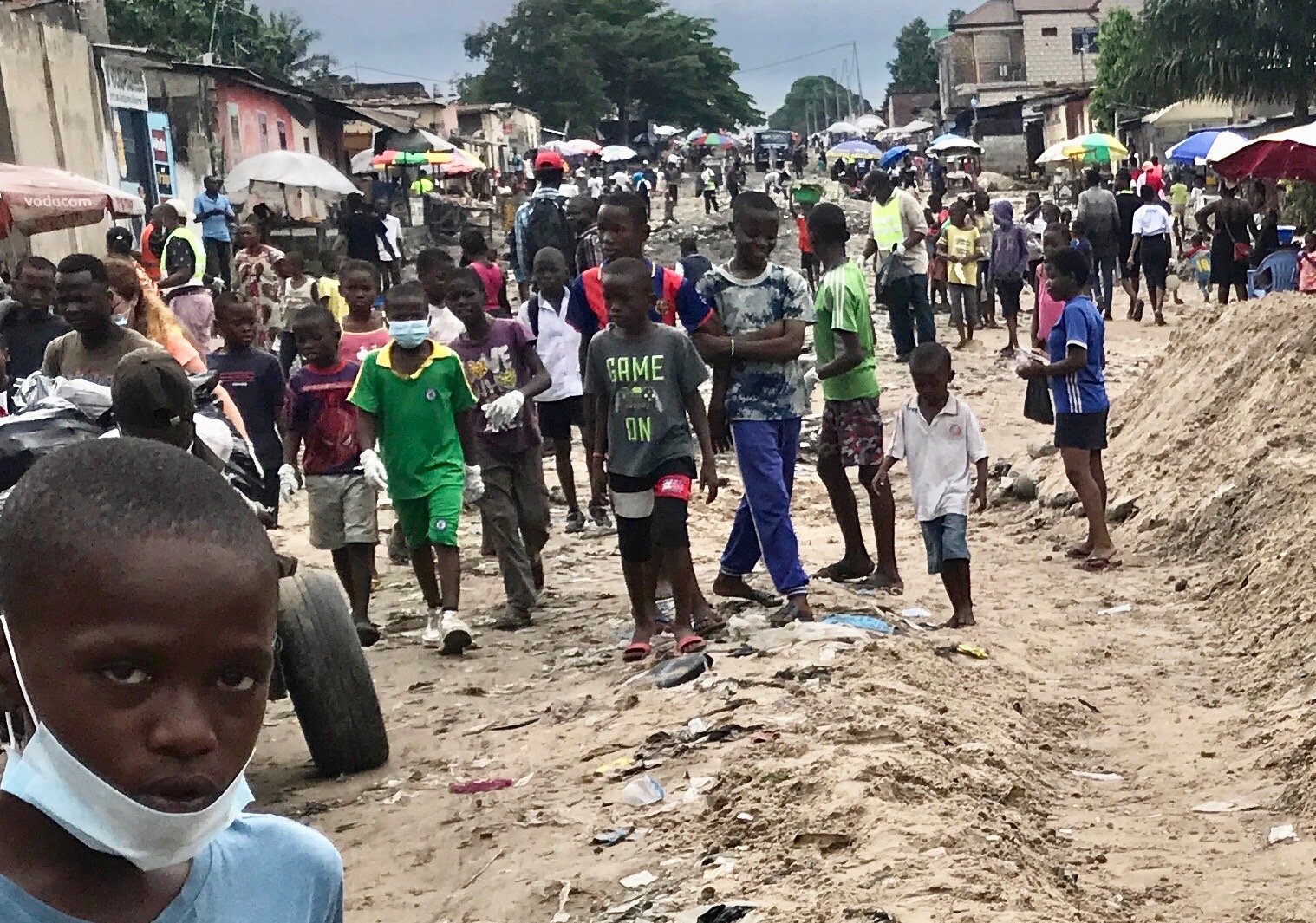
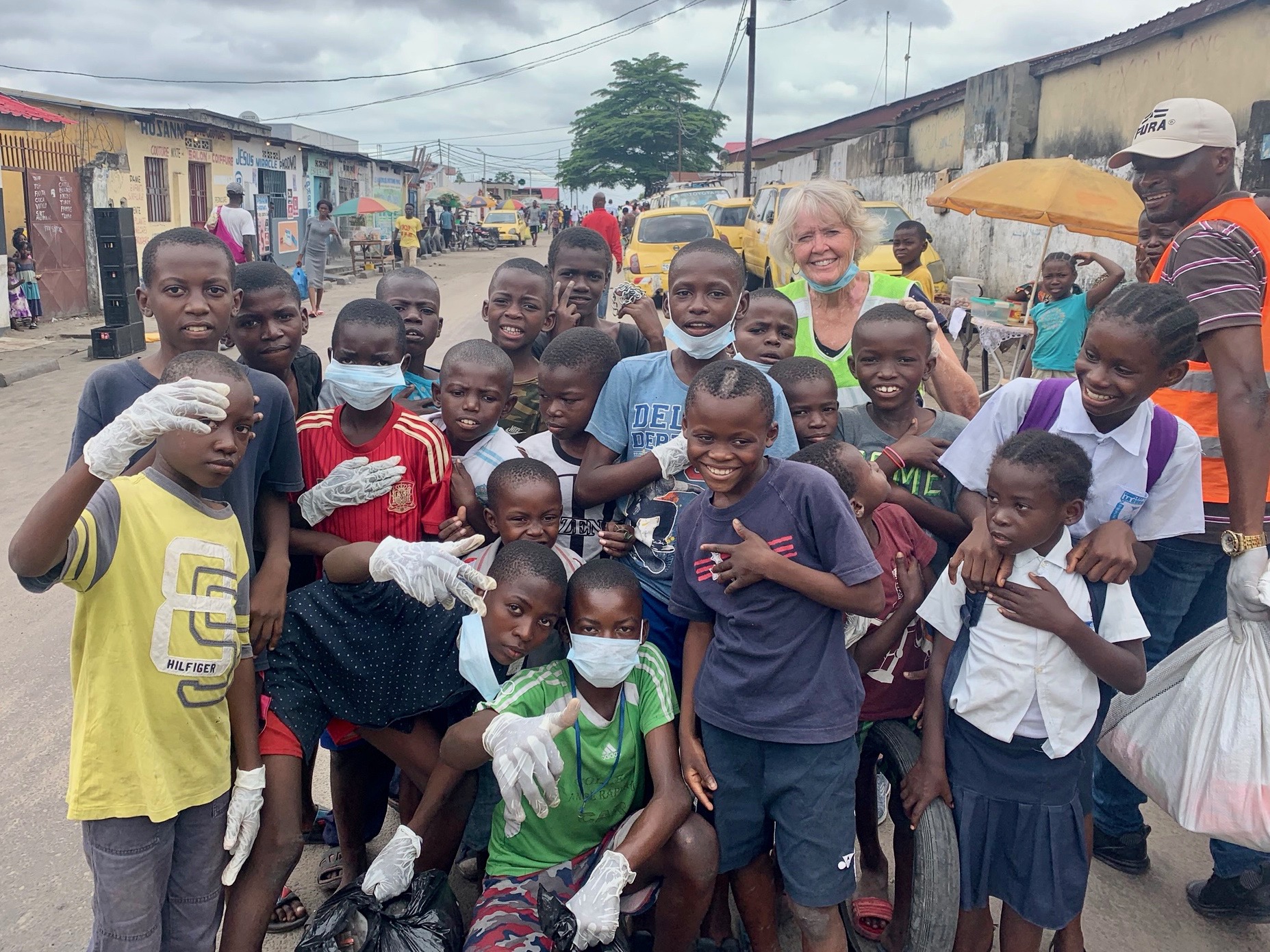
For us, the highlight of the morning’s work was the curiosity of the children who began to join in the process. At first just following us inquisitively in small groups staring at us, they were soon rushing around us picking up trash and stuffing it in our large bags with enthusiastic satisfaction. By the time we were through at noon, kids from five or six to sixteen clustered around us working vigorously. Along the way many of them had picked up our discarded rubber gloves and masks and—amid envious looks of their friends—and were wearing them with pride.

Though we barely made a dent, we helped make a statement, and we connected with hundreds of people in a worthwhile effort. Seeing the looks on people’s faces and sharing the delight in helping make a place look cleaner gave all of us a sense of purpose and unity.
Congo Cops

Giles 11.26.19–Okay, if we don’t get a response or two from this entry (there’ve been fewer than I expected), I’ll know that no one is reading these.

Well, it was bound to happen, I guess. People who travel tell of encounters with corrupt police in countries all over the world. We had not experienced it ourselves, but as of now, Annie and I can’t say we’ve never been arrested.

Our driver, Josef, is one of three or four hired by the Institute to chauffeur staff to and from places (See earlier description of bumper-car traffic). On our outing to the National Museum, we happened to get on the wrong side of a traffic cop at a certain intersection. And since we couldn’t understand the Lingala tongue, it was impossible to say how much trouble we were in and why. We were signaled to pull over for a chat with one of three officers, unaware that Josef’s registration and license were both copies, not originals. (Later Josef explained that it’s not unusual for commercial drivers to carry only copies for safety from theft, which is frequent.) Next thing we knew two officers slid into the seat next to me and we were ordered to the police station. At first, annoyed, we whispered to each other that museums offer a certain kind of cultural experience, and police stations offer yet another.

Like so much in Kinshasa, the police headquarters were dingy, shabby, cramped, and poorly lit, with wires hanging everywhere. The seriously obese man (unusual for DRC, as most men are quite thin) who sat us down and interrogated us was sweaty and brusque. He wore no uniform and lacked a few buttons on his soiled shirt. For more than an hour in a tiny room we watched people coming and going, uttering unintelligible questions and orders.

At one point, the interrogator grabbed for my phone. I had taken a couple of pix of the cops at the outset, and he wanted to see them. They’d been deleted when I was told they were angry about them.  Annie dived between us, in an act of sudden bravery, though I had stuck the phone in my pocket already. We remained calm until our driver’s “cousin” (we’re told that everyone here has a cousin who can help in these situations) came in saying that if we could just pay a thousand dollars for taking pictures, we’d be set free. I exploded, “Put us in jail then.” “Okay, okay,” he quickly revised, “a hundred dollars then.” I repeated, “Jail then.” We’d already paid $40 to keep Josef’s car from being impounded. We stalled.

We knew this was all about extortion, and once a person pays, they’re free to go—no paperwork, no official ticket, nothing but a quick exchange, my hand to your hand. When the policemen stepped into the hall to discuss our fate, Annie quickly slipped all my money except a $20 bill into a hidden pocket in her purse. They couldn’t ask for more than we had (they always think white people are rich), so when we showed them the $20, they reluctantly accepted it and let us go.  So we got off for a total of $60, pretty cheap fare for a firsthand, inside look into the kind of law enforcement that goes on in places where no one is paid a fair wage, if paid at all, which leaves the poor cops with little alternative but to do what they know the crooked people are doing at the top. Crazy. And just maybe, the cops could feed their kids a little bit more the next day.

Our Neighborhood

From Annie 11/9/19 Take my hand—we are going for a walk. After you see what I saw in three blocks, you’ll understand why walking may be boring when I get home. People here do so much living outside—working, talking, walking, rushing, building, repairing, buying, selling, eating, waiting in line for a ride. Life goes on for all the world to see.

Imagine New York City with no subway. Every time I go out, it feels like all 13 million people are trying to get somewhere at the same time.  

I wonder if we Americans value privacy so much that it stifles our humanity. We keep our circle of family and friends tight and are often too busy for strangers or even neighbors. I’m told that here taxis fill up with total strangers who become friends by the time they are dropped off. People talk to each other. It is not all right to walk by someone without saying, “Bonjour!”  You do not look away. Your eyes meet. I love that!
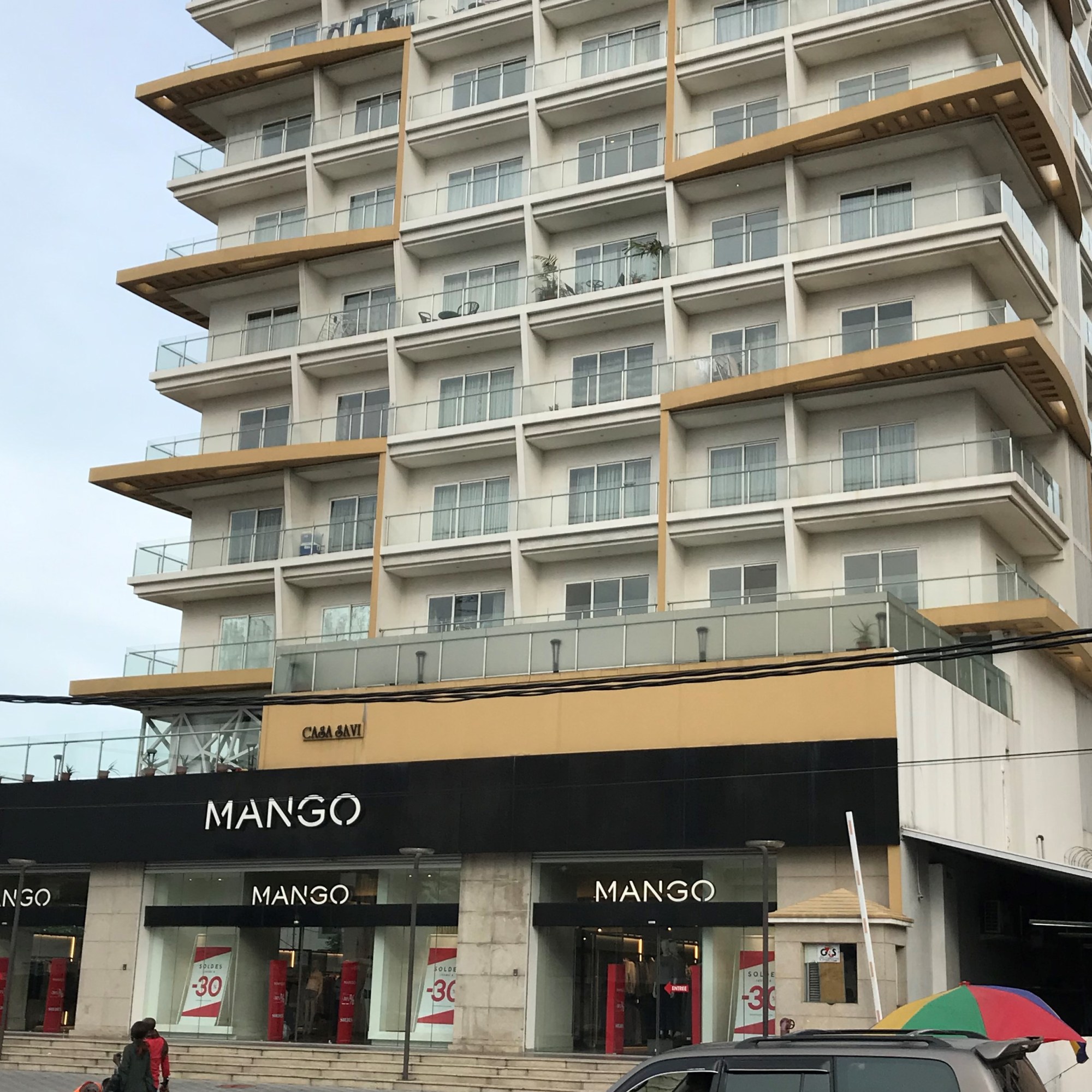
  1. A high-end clothing store worthy of City Creek Mall
  2. Pricy apartment building,
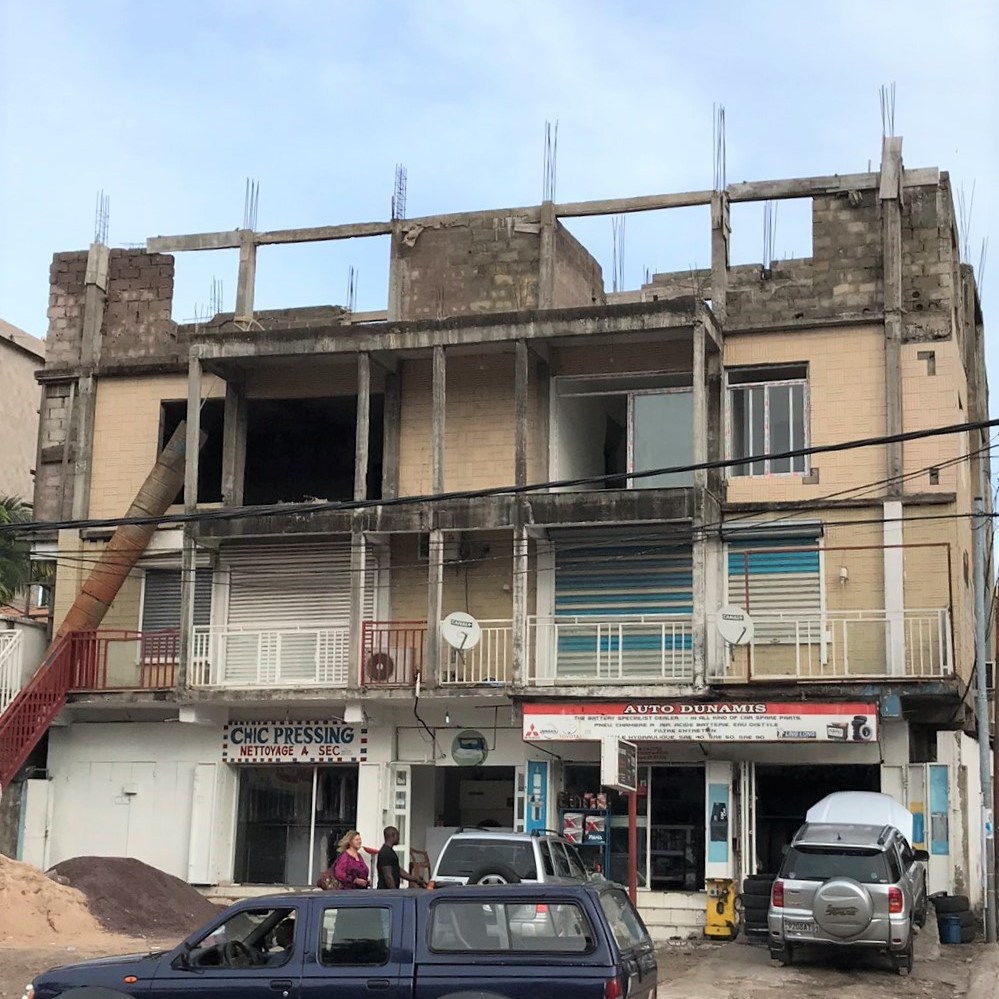
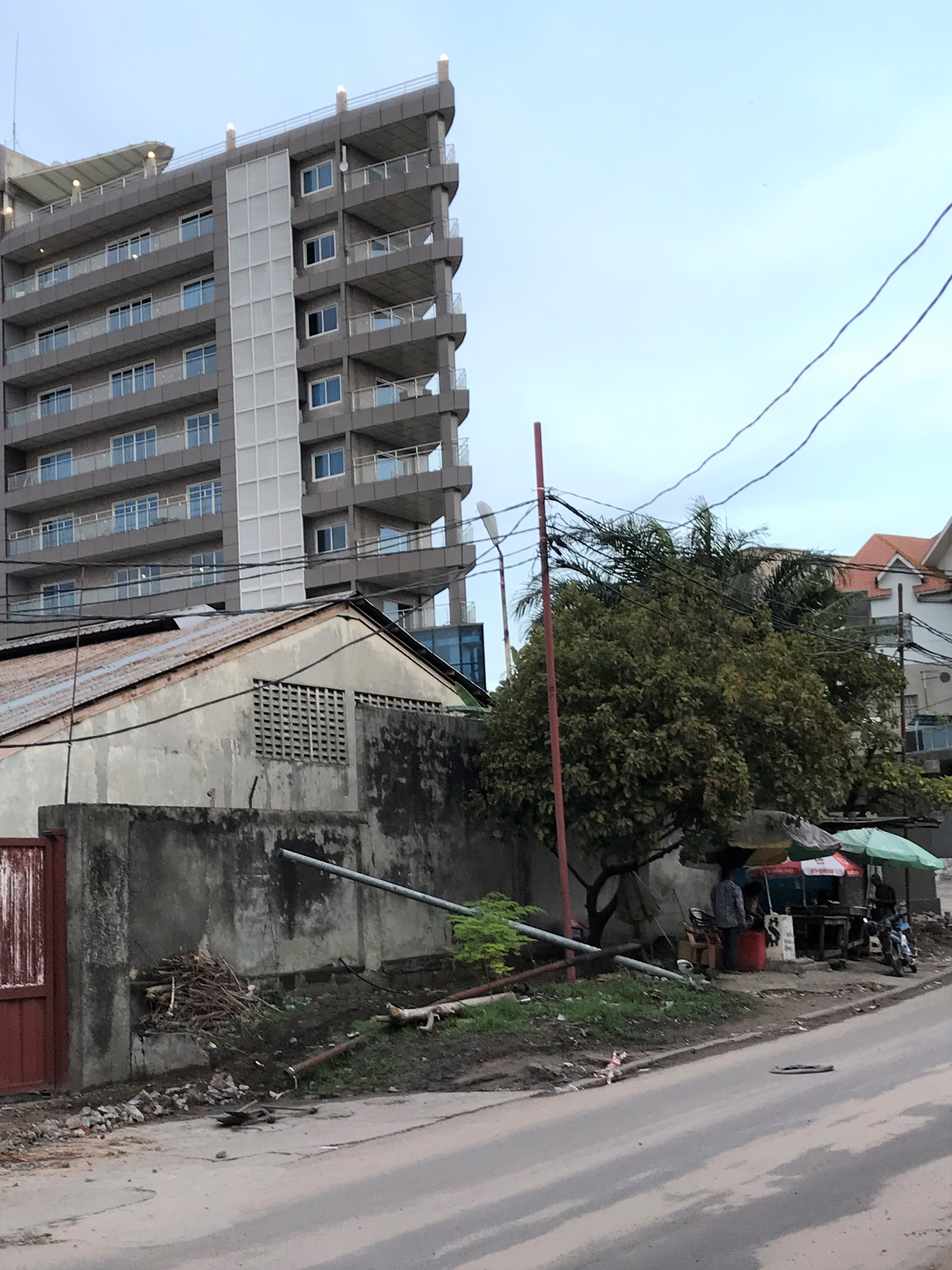
  3. One of thousands of buildings fully occupied on the lower floors with cinder block skeletons above
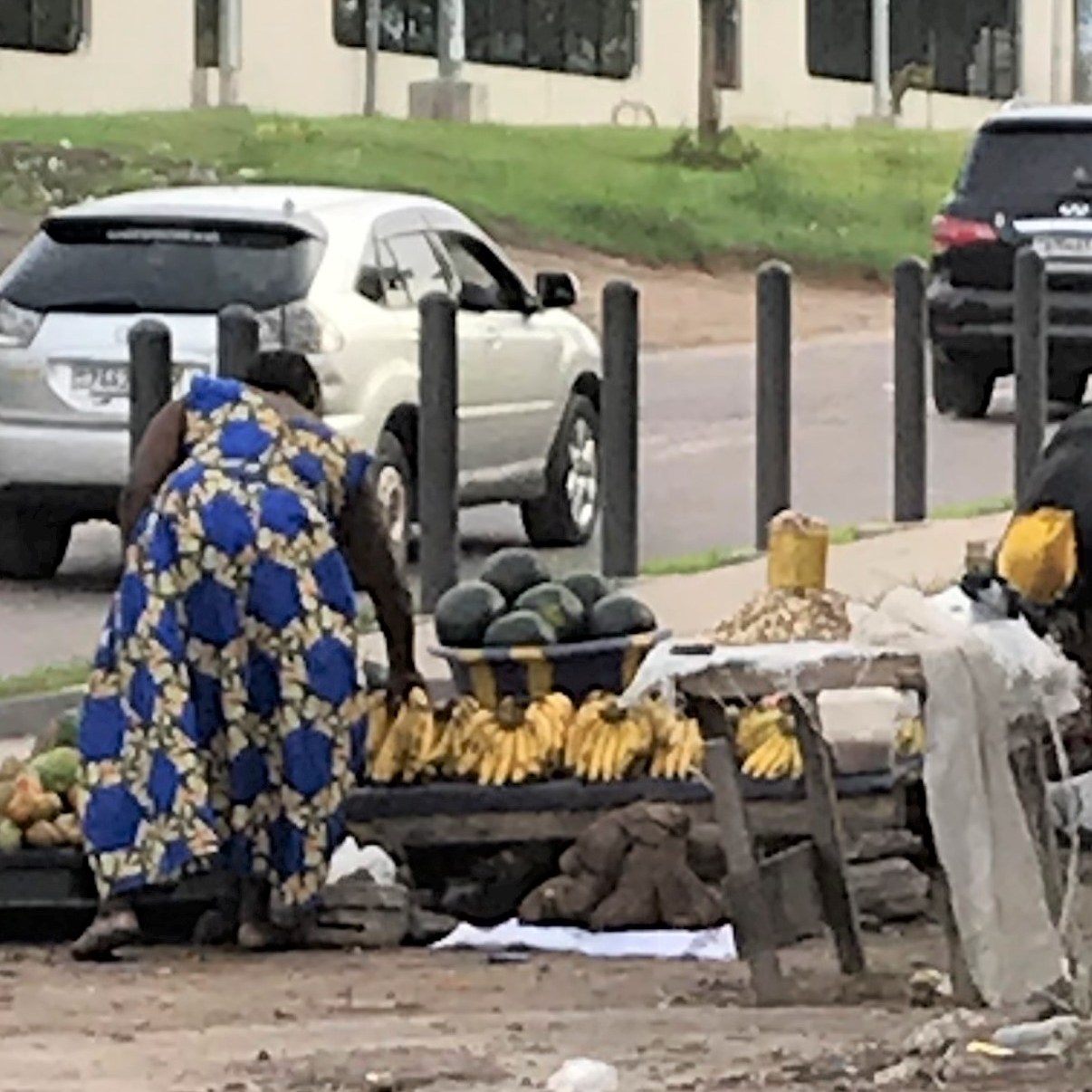
  4. A woman tending her banana and melon stand
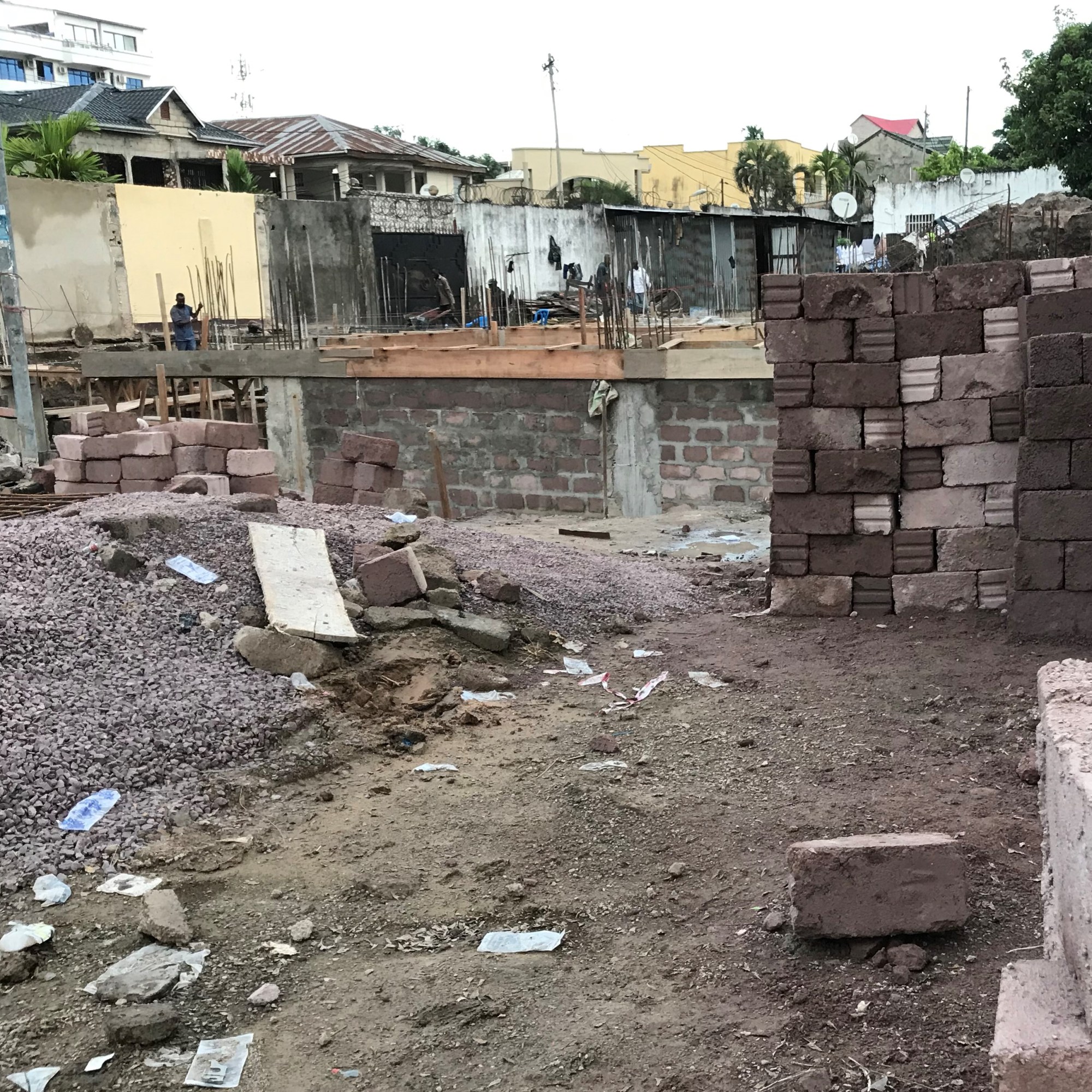
  5. A construction site where workers make cinder blocks and hand mix cement, one bag at a time
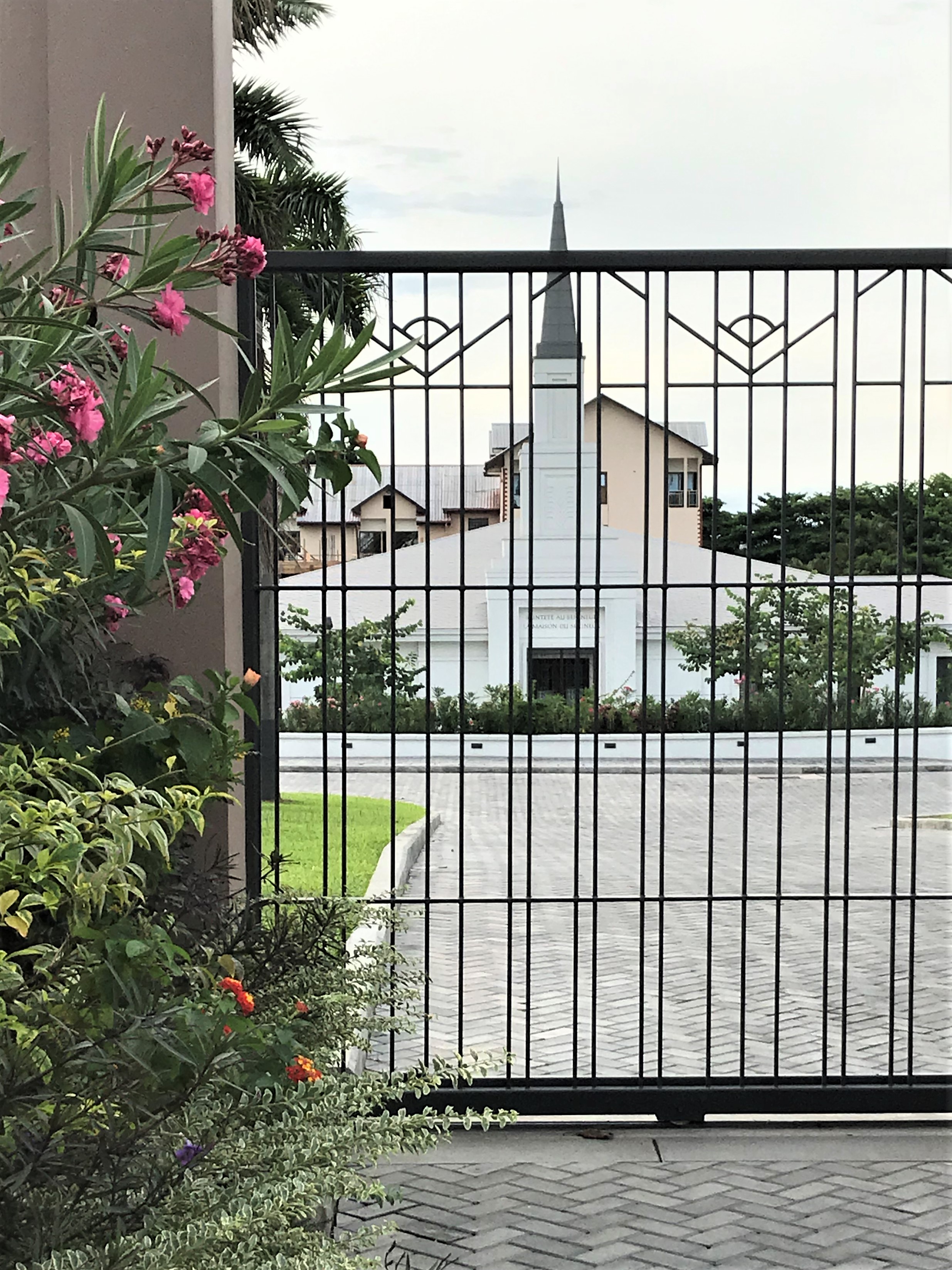
  1. The LDS (Mormon) temple, with its perfect grass and gardens.
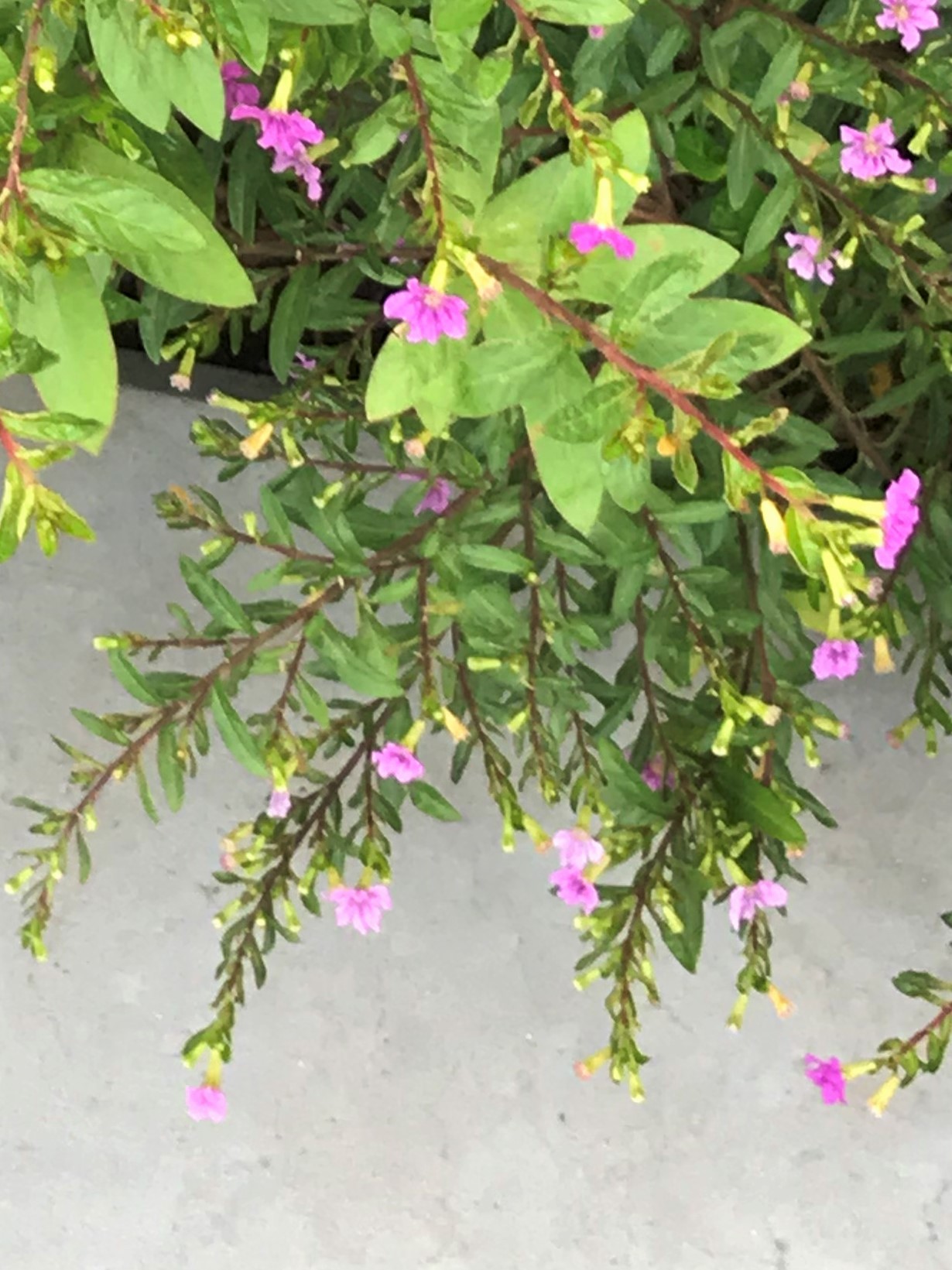
  2. Flowers outside the temple gate
  3. More flowers and more flowers
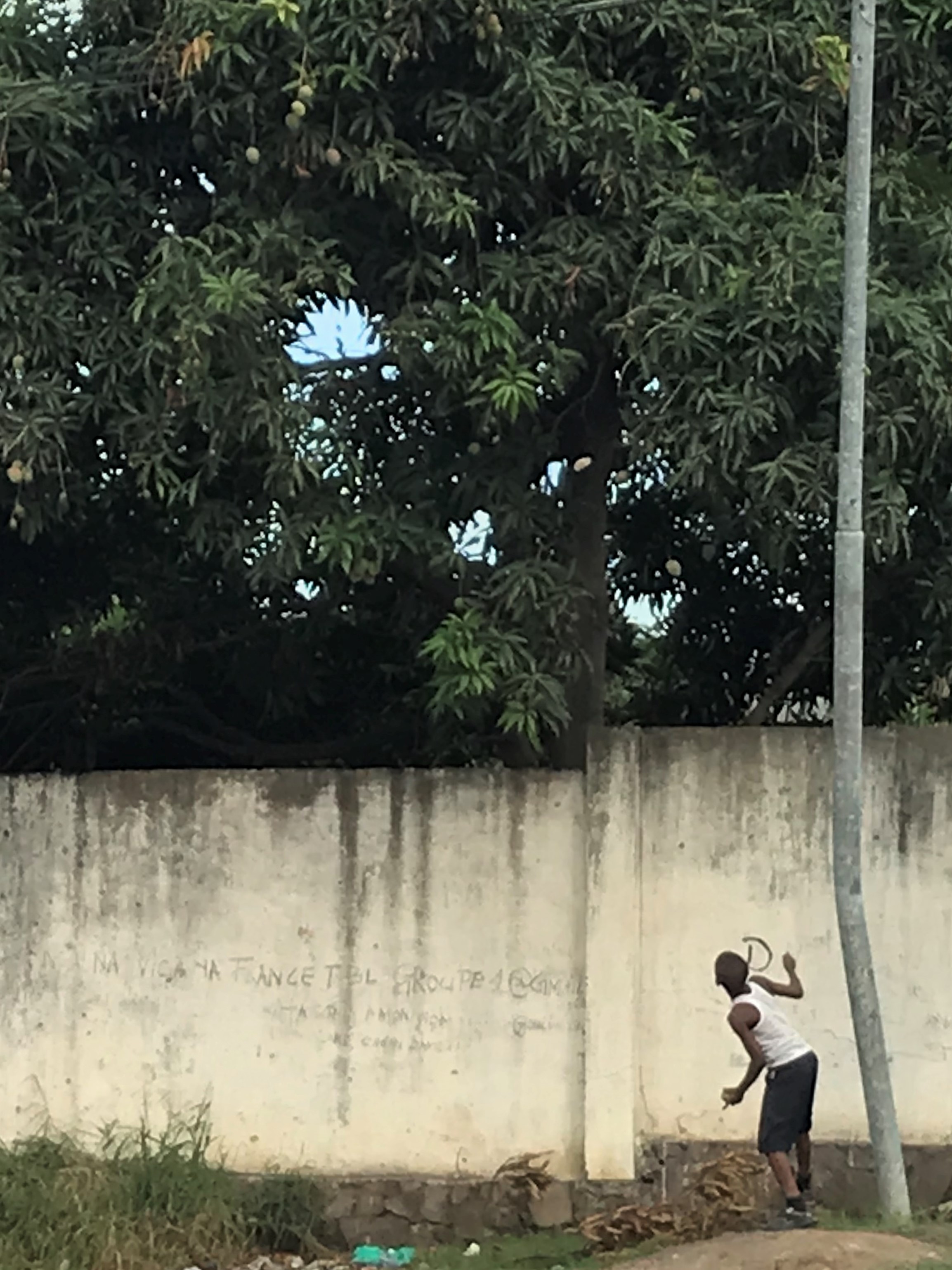
  4. A little guy trying to knock mangos out of the tree, then running happily away with one in each hand
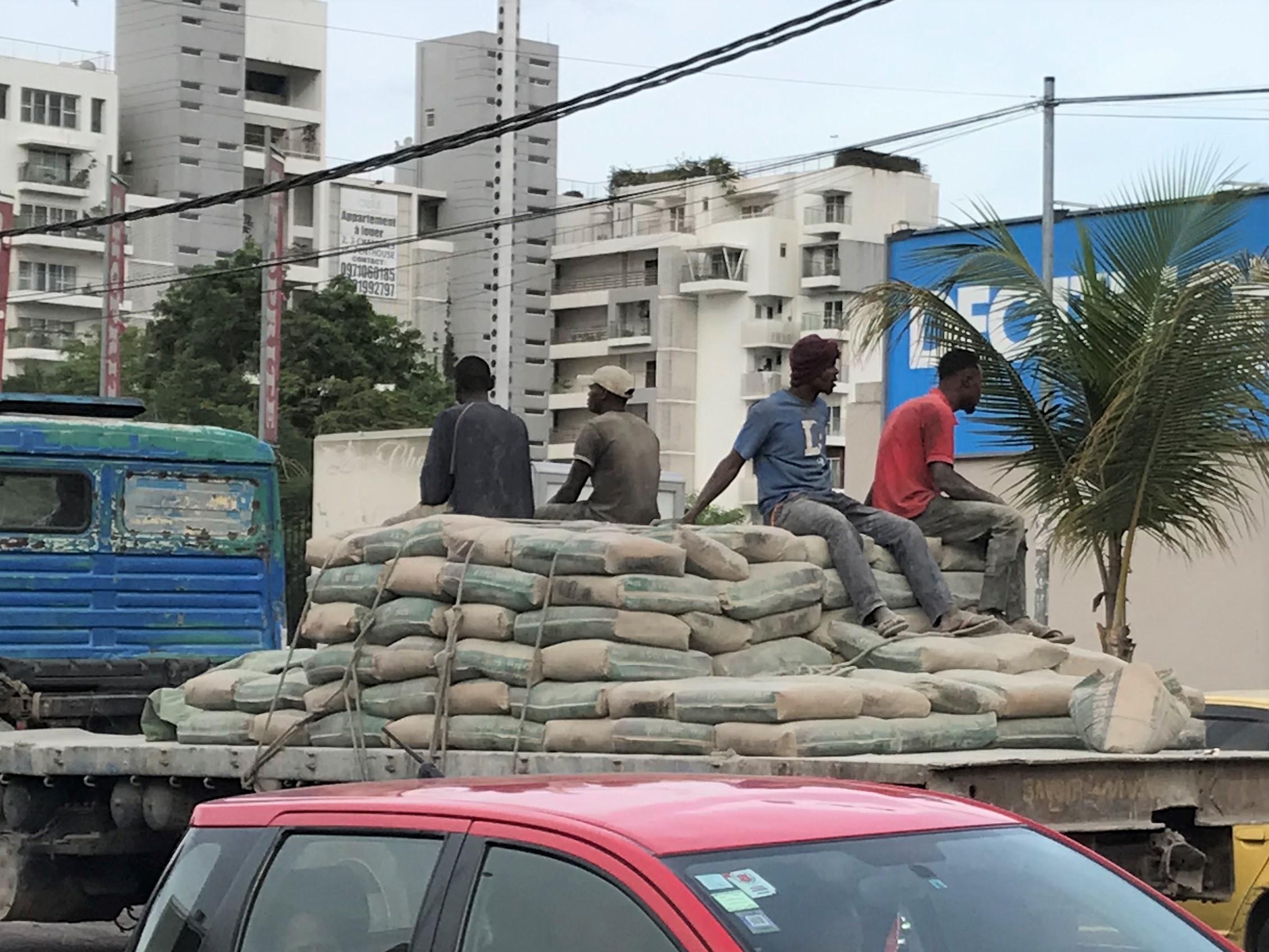
  5. Men perched on top of cement bags on a moving truck as if lounging in a park
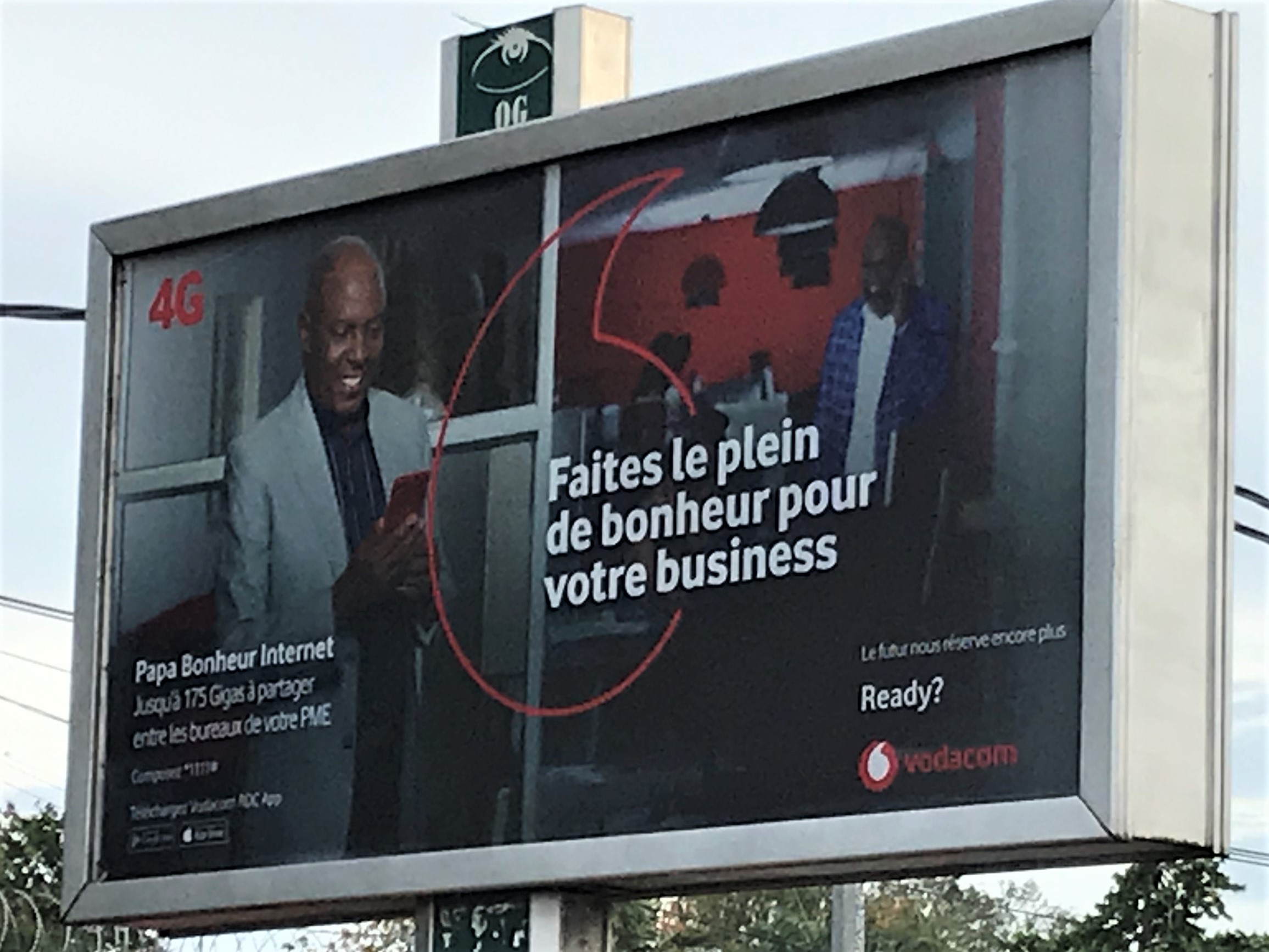
  1. Billboard selling faster internet that will make everything in your life better
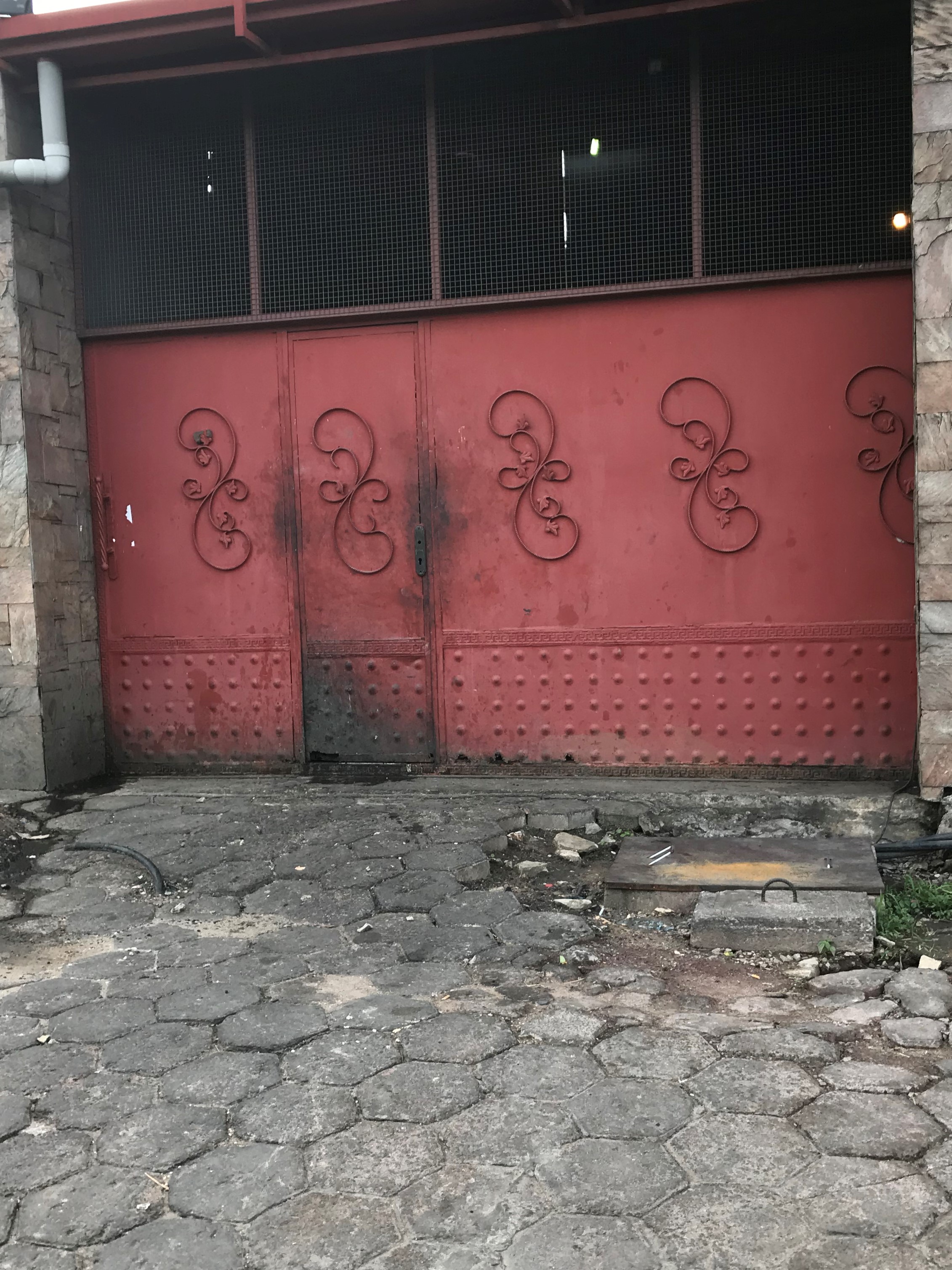
  2. Rusty old gates
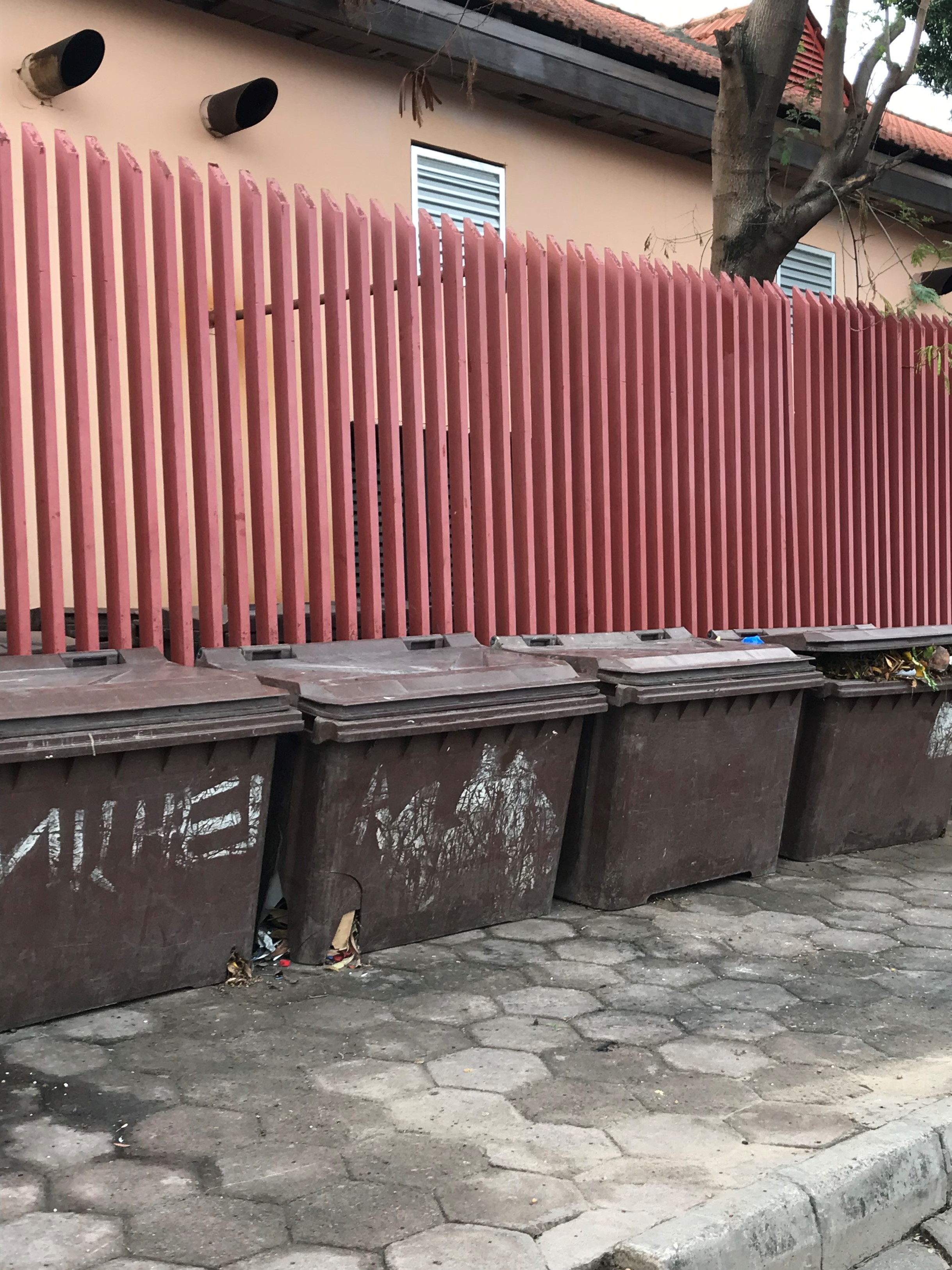
  3. The only outdoor garbage cans I’ve seen
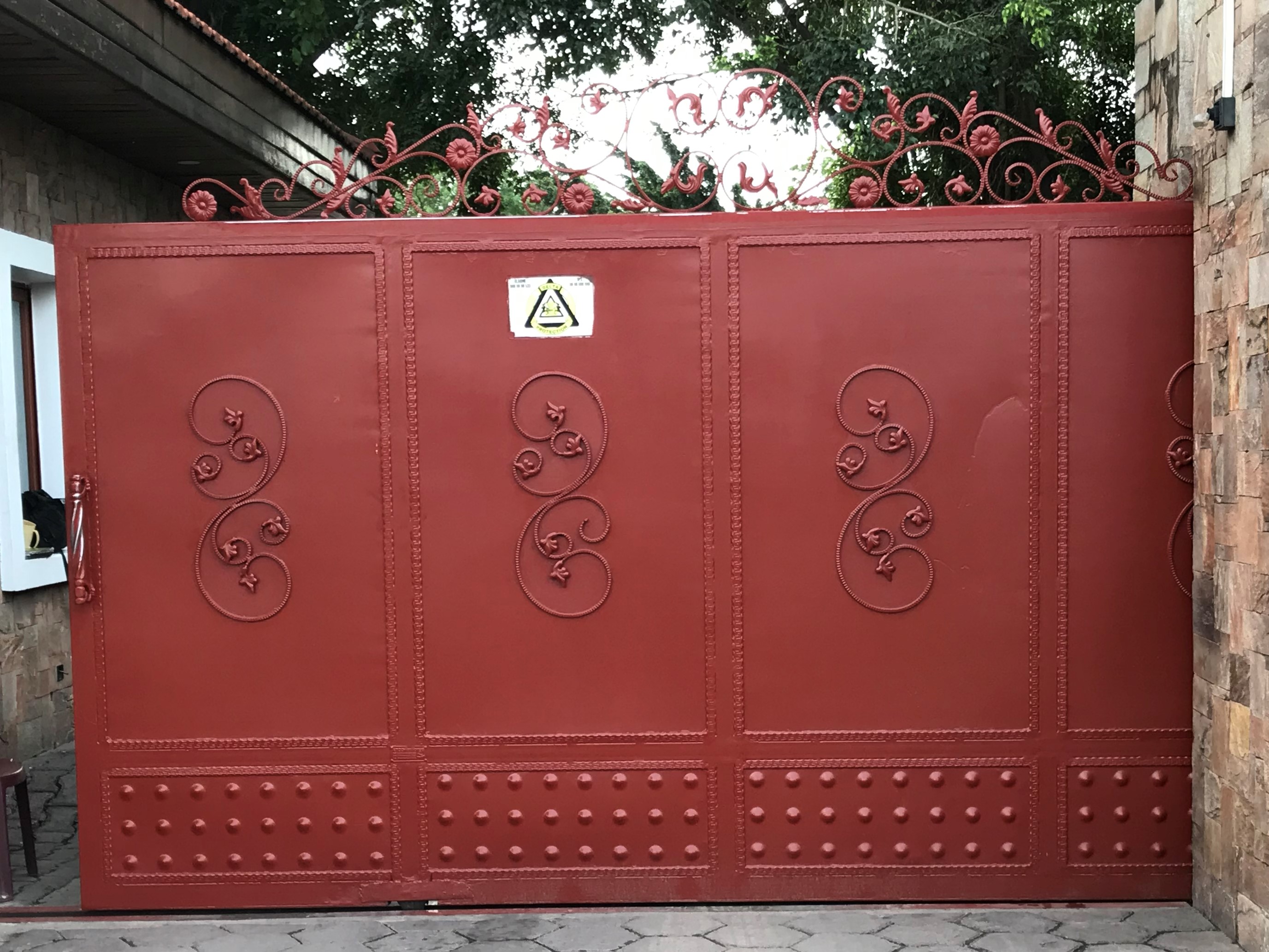
  4. Lavish, ornate gates protecting luxury apartments.
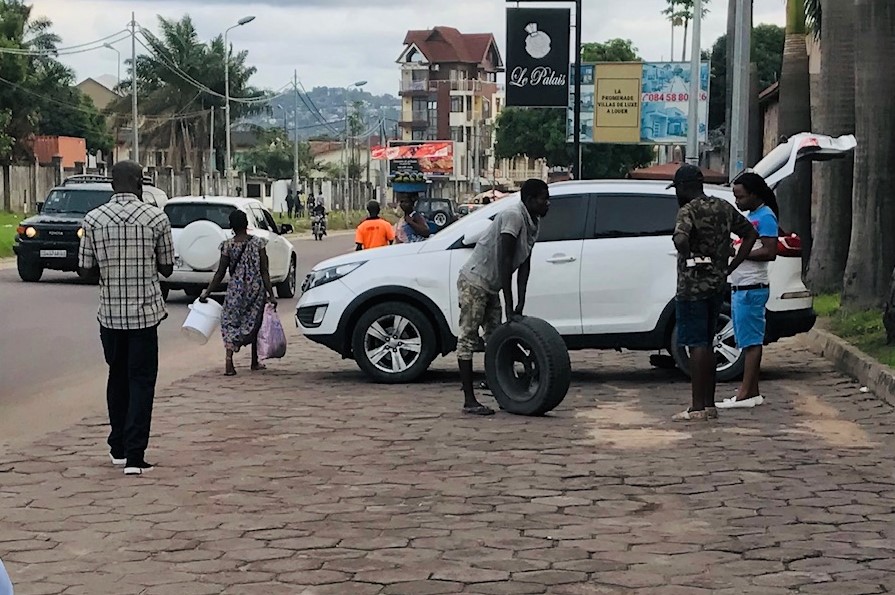
  5. A place to change a tire
  6. Billboard advertising deluxe condos rising above the poverty
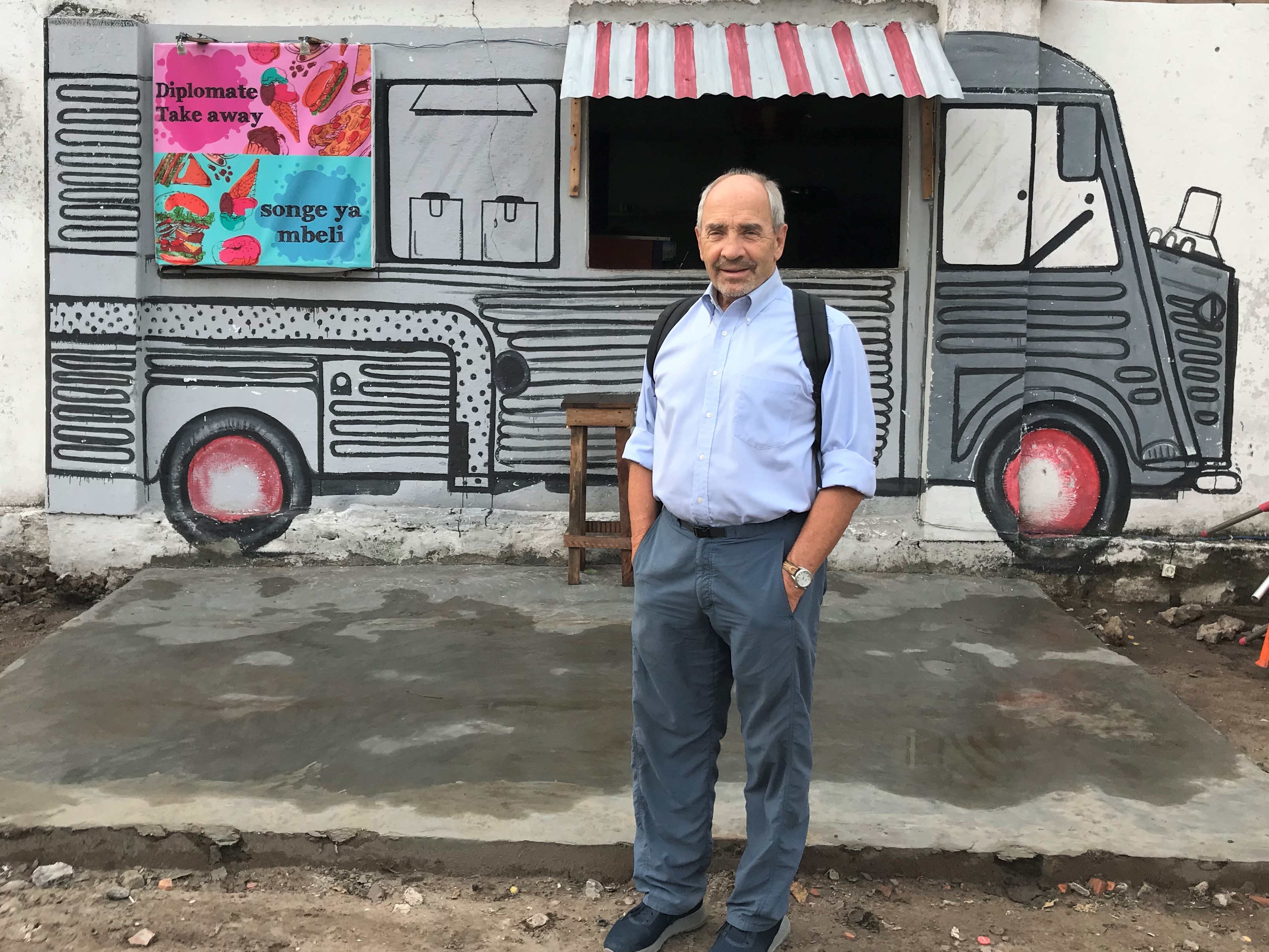
  1. A wall painted to look like a food stand
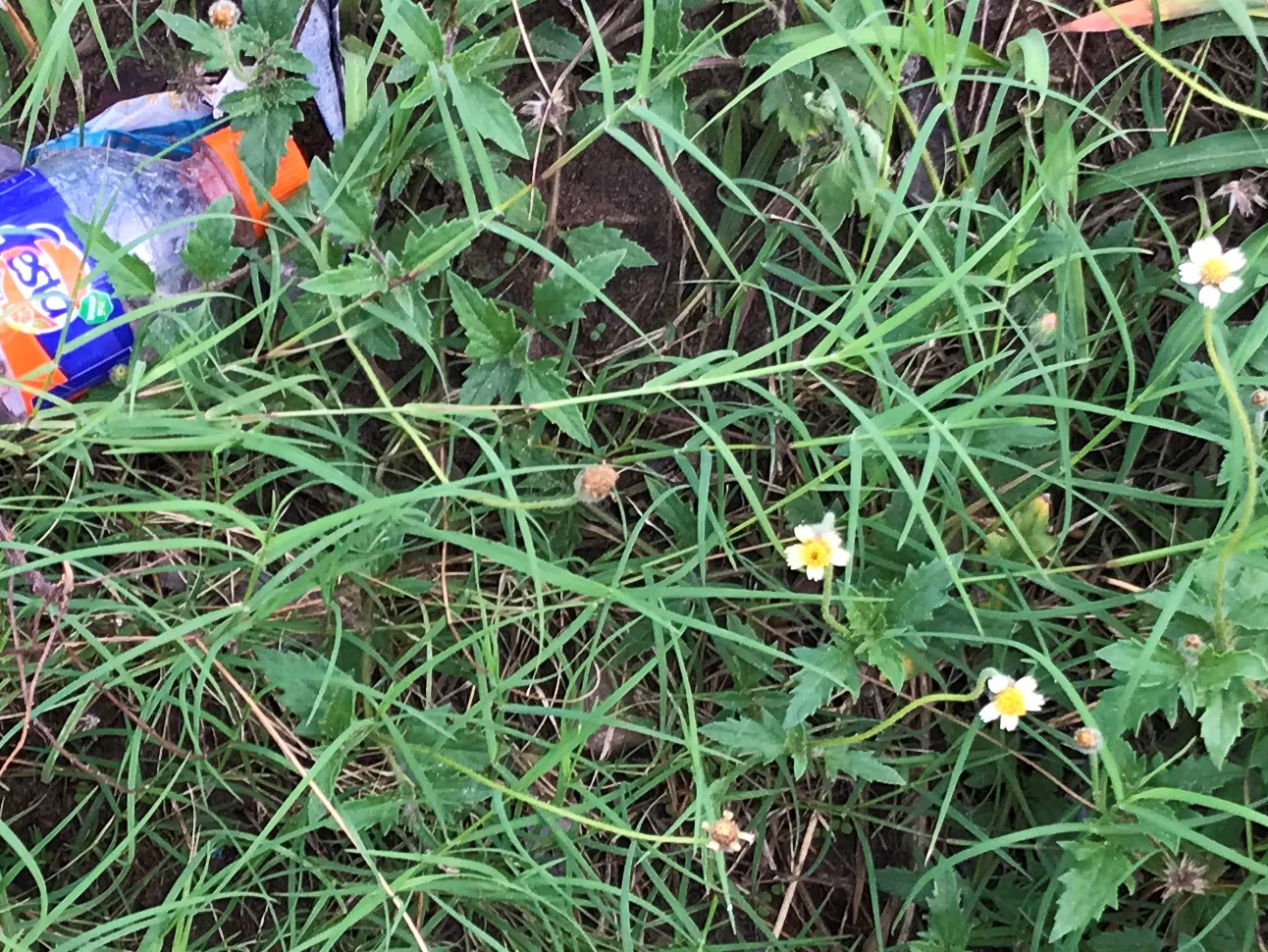
  2. Tiny flowers growing between the trash
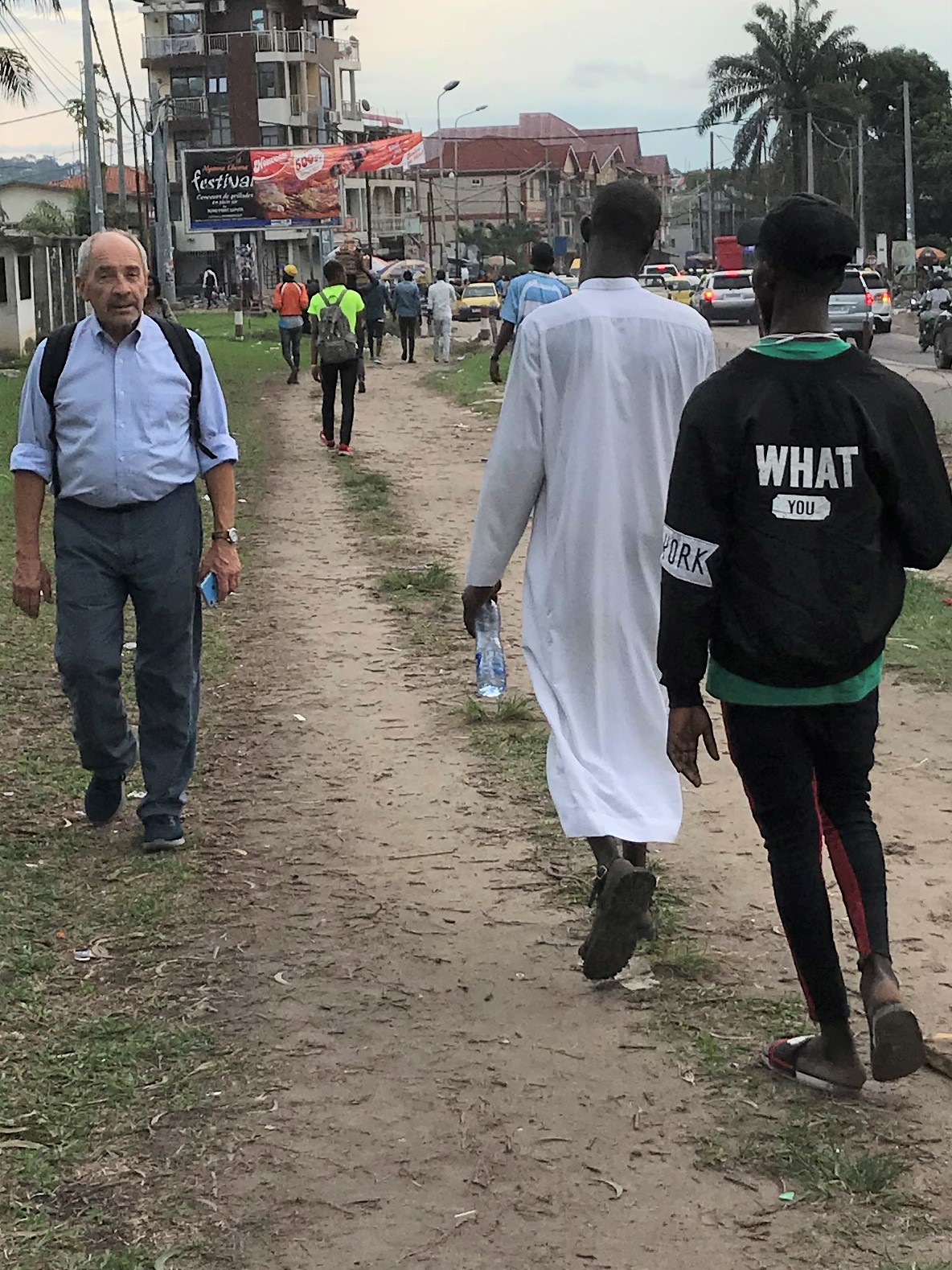
  3. Man in a long white robe with a friend wearing a question on his back
  4. Cell tower behind a flowering tree behind more barbed wire

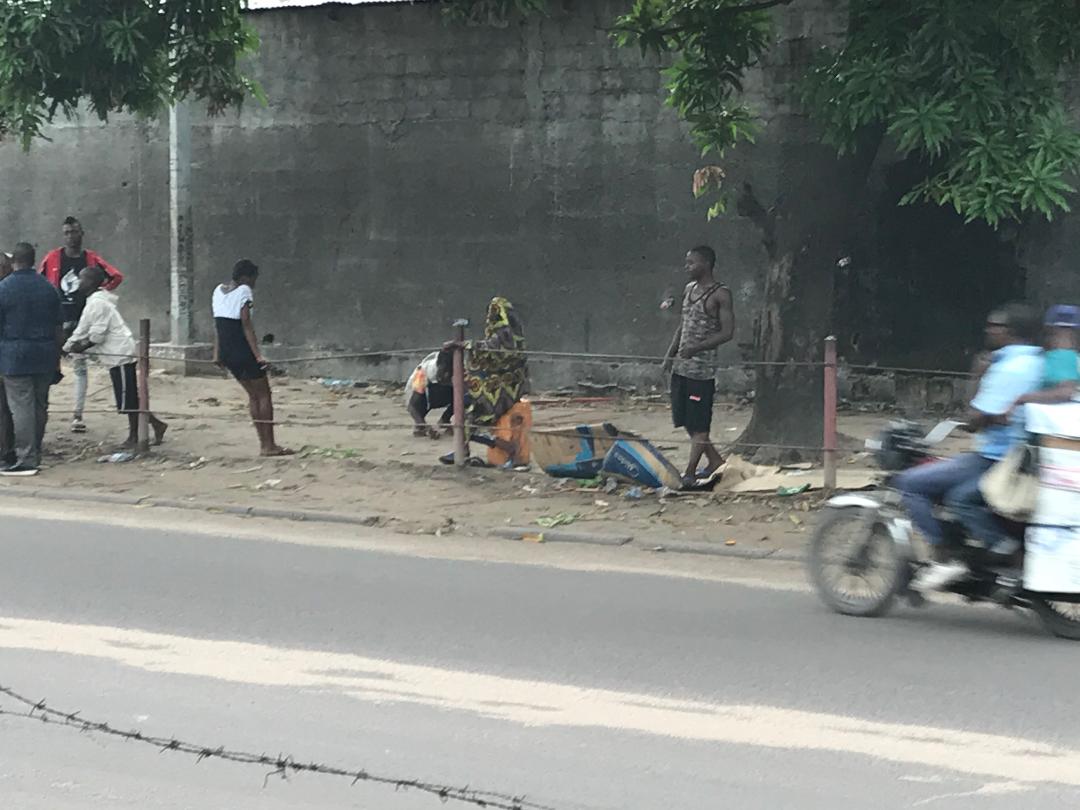
1. A hang-out for homeless street kids (We’ve started dropping off bags of apples instead of giving them money)

2. A luxury van arriving home

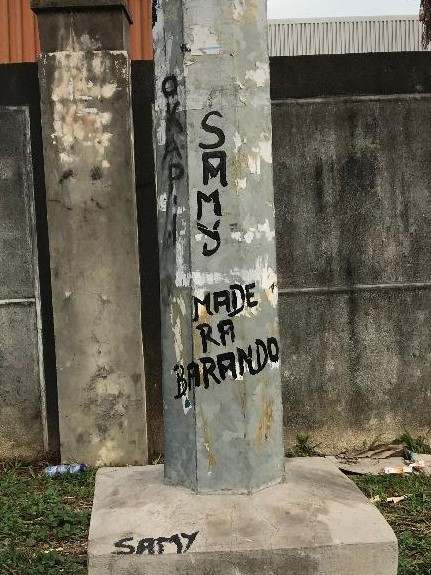
  1. Graffiti about the endangered forests and the okabi
  2. No, this wasn’t on the street, but it’s a photo of an okabi (zebra/giraffe).
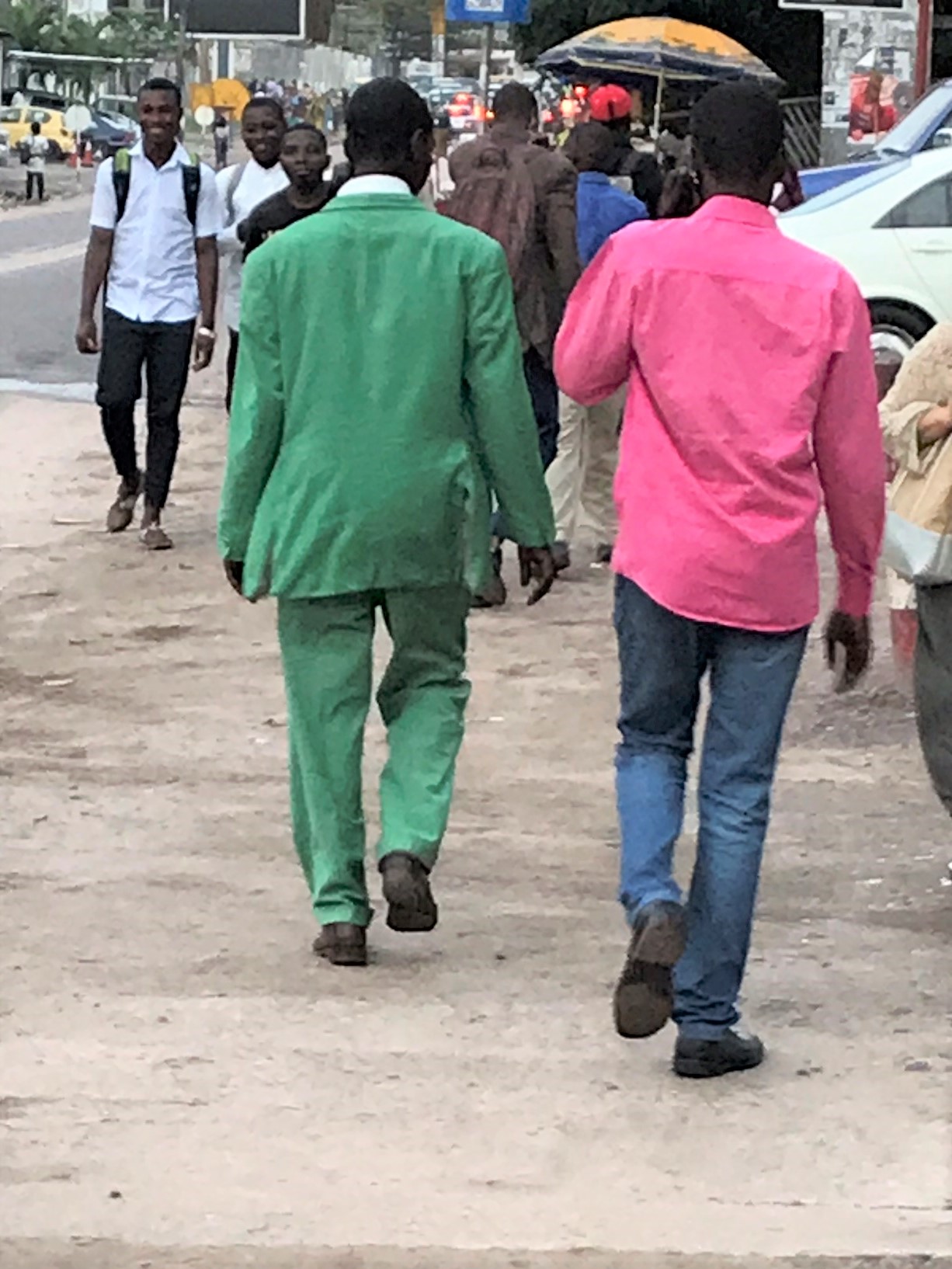
  3. Bold green suit and hot pink shirt; great fashion statements
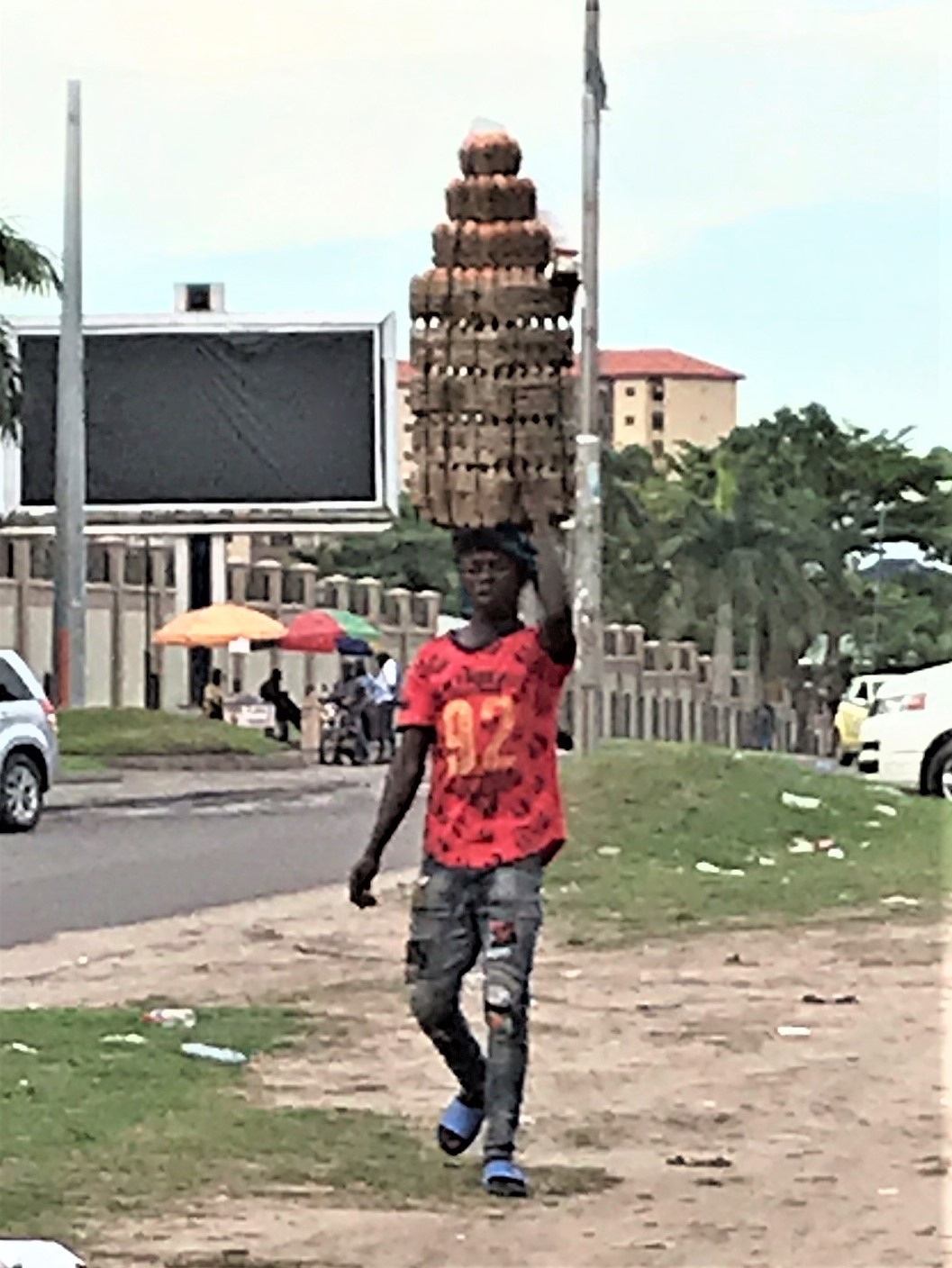
  4. Boiled egg seller
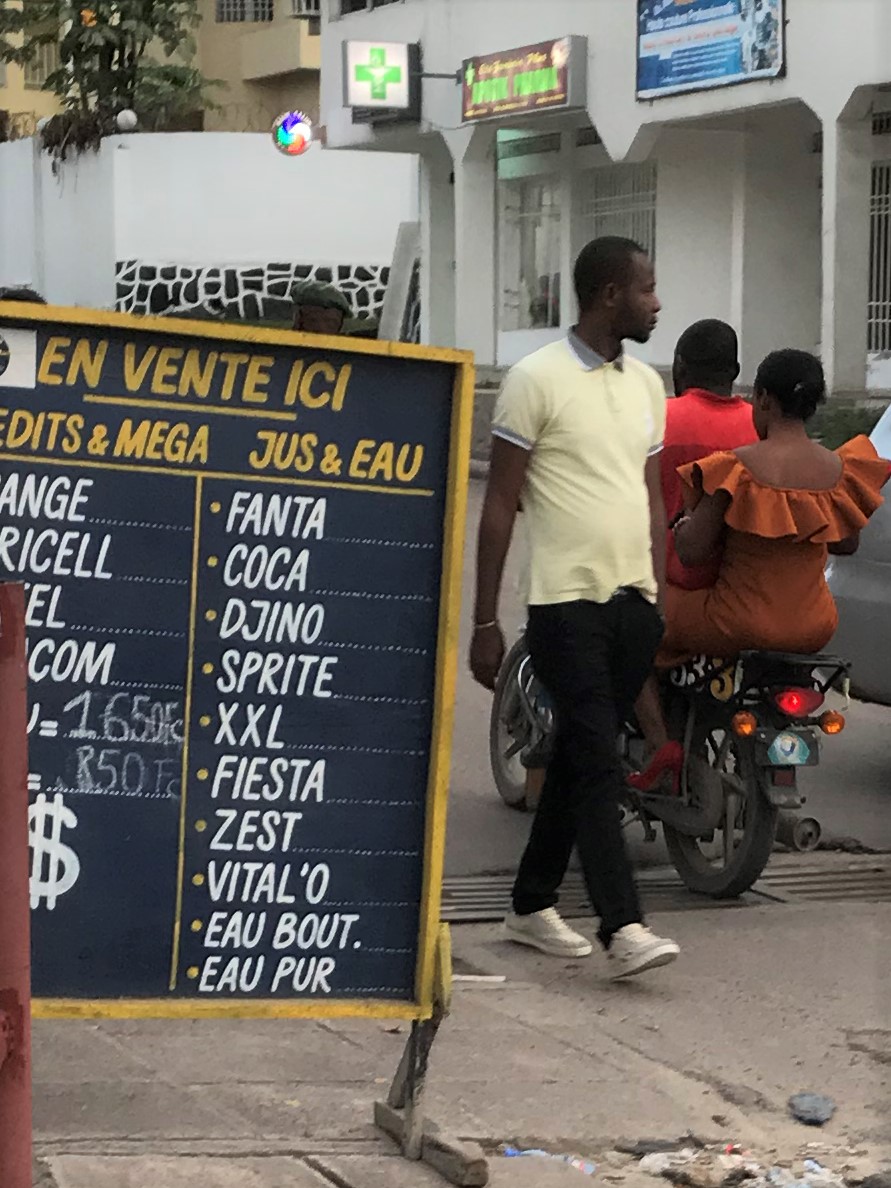
  5. Fancy lady in red heels in need of a motorcycle taxi, Notice the list of drinks for sale.
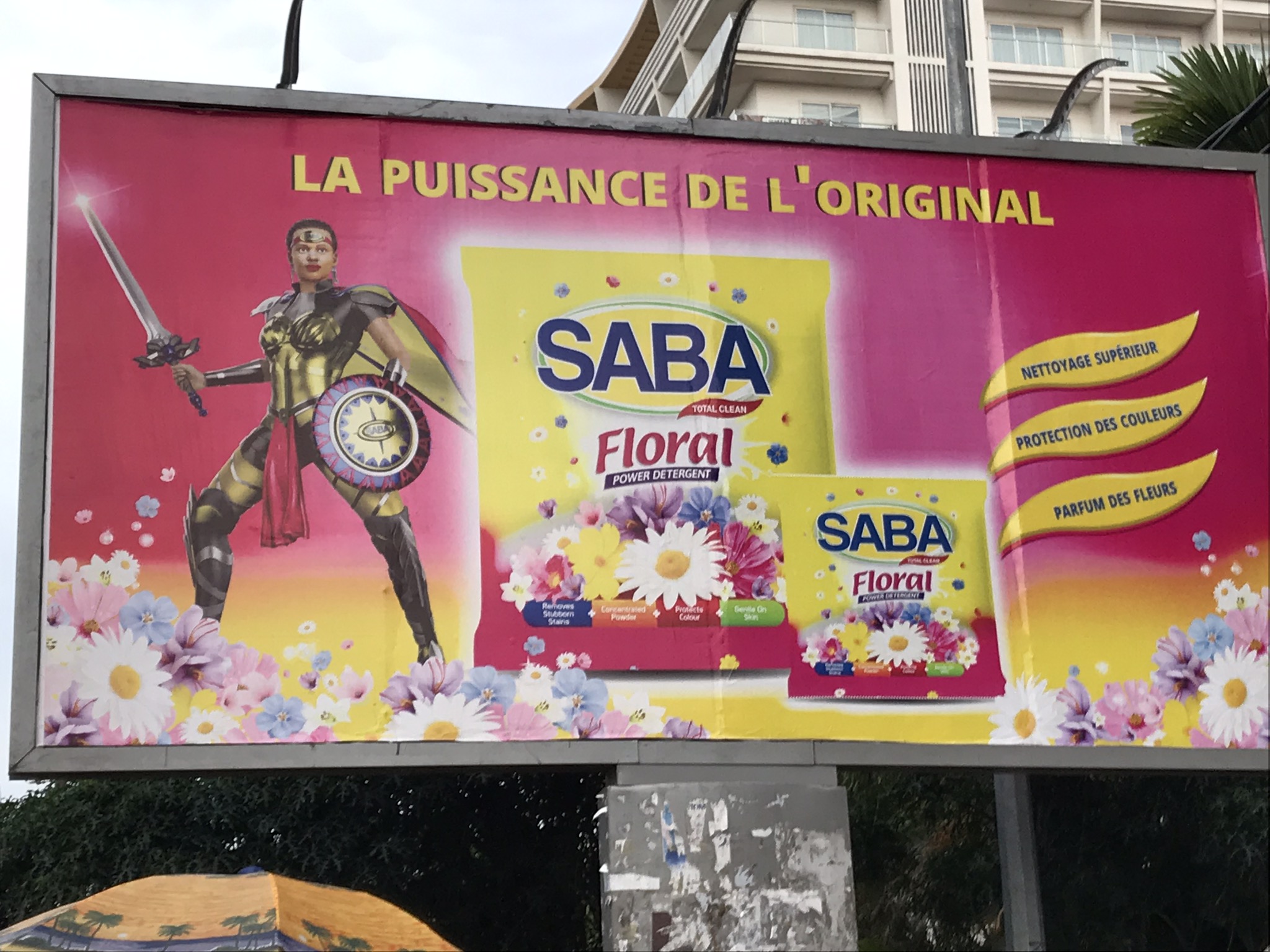
  6. A super-hero selling laundry detergent
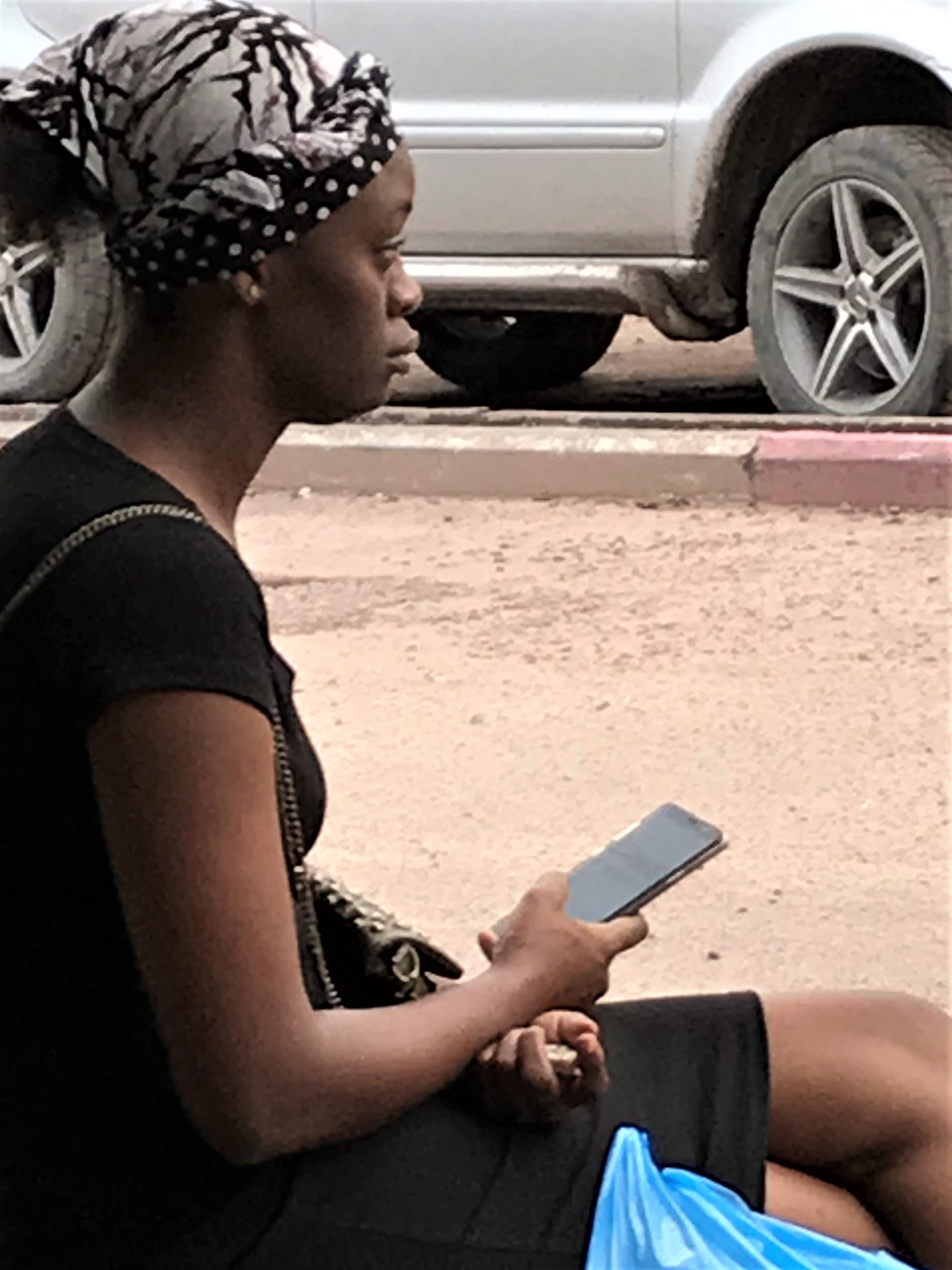
  1. Woman outside the store, so lost in thought
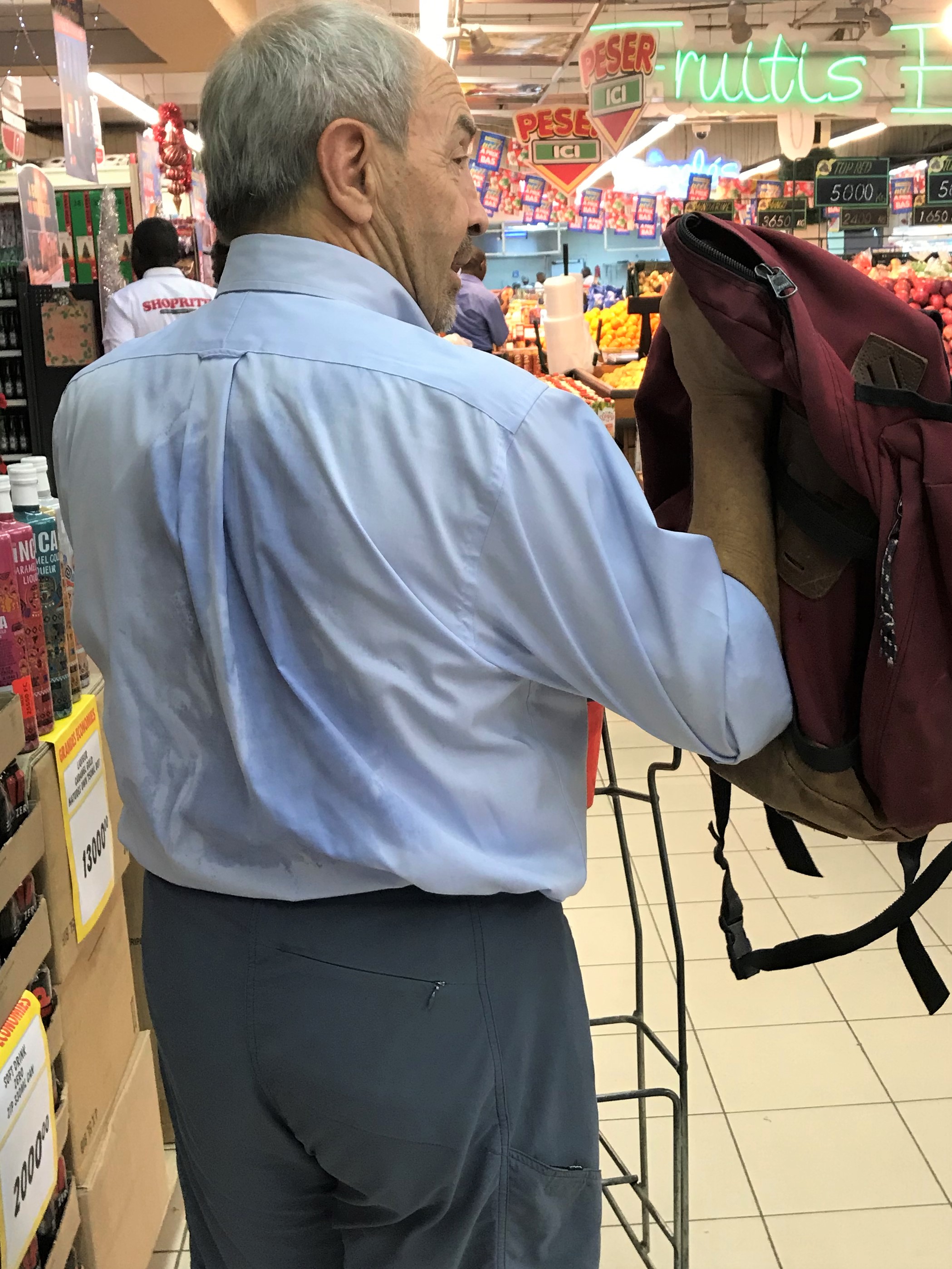
  2. Skip’s sweaty back after three blocks of walking
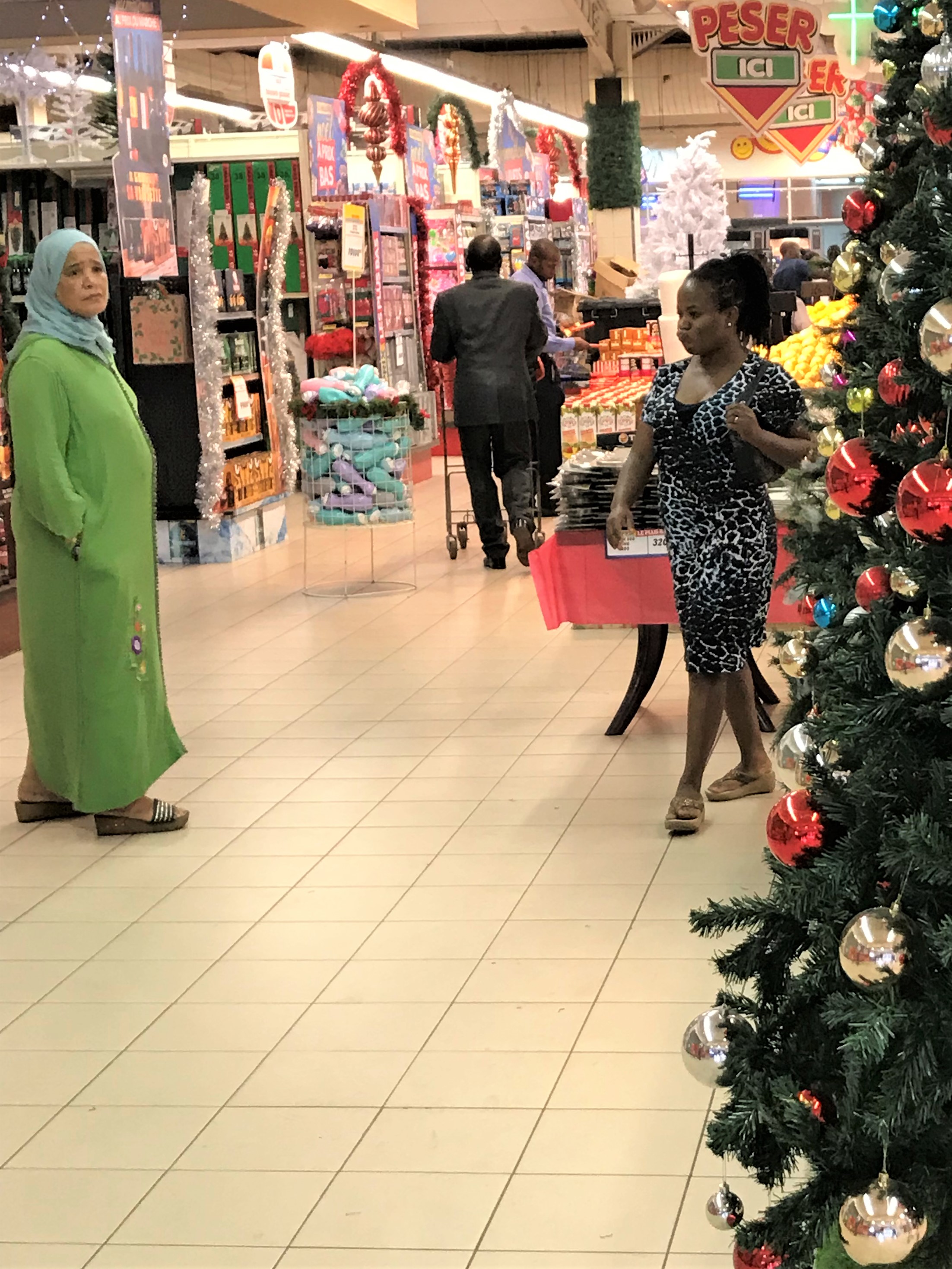
  3. Muslim woman checking out the Christmas tree
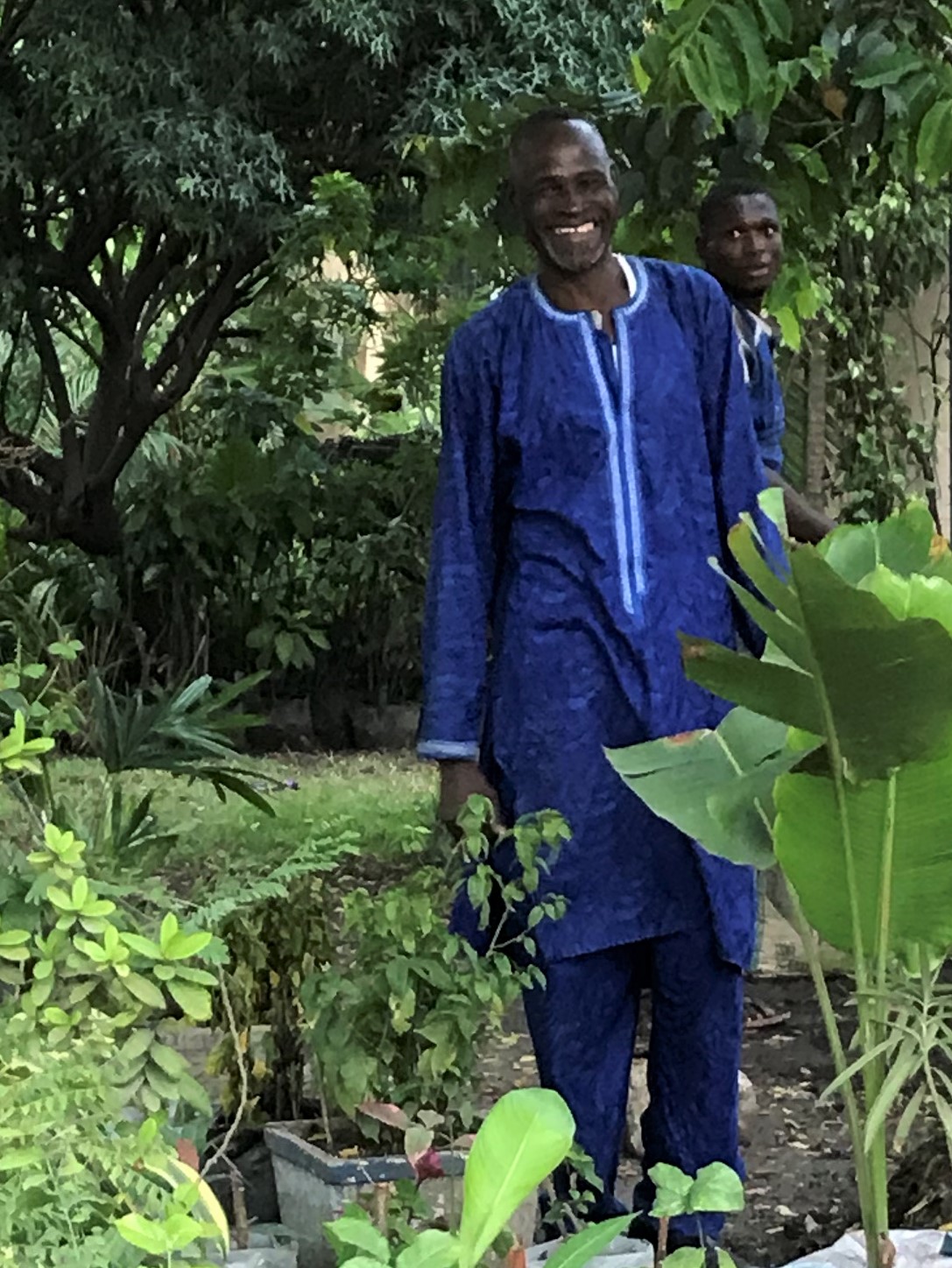
  4. The friendly master gardener of a roadside nursery
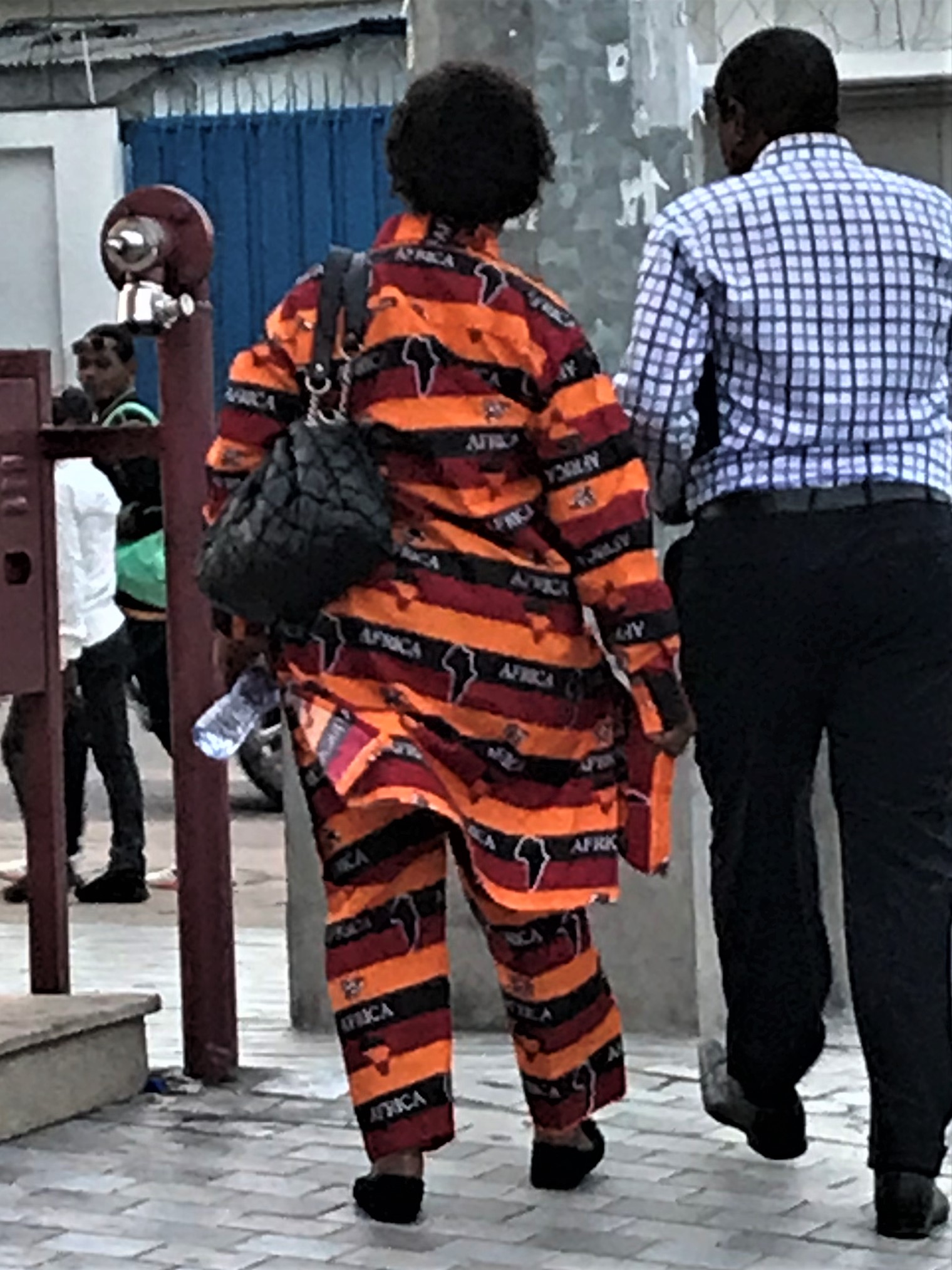
  1. Lady in an outfit featuring maps of the African continent
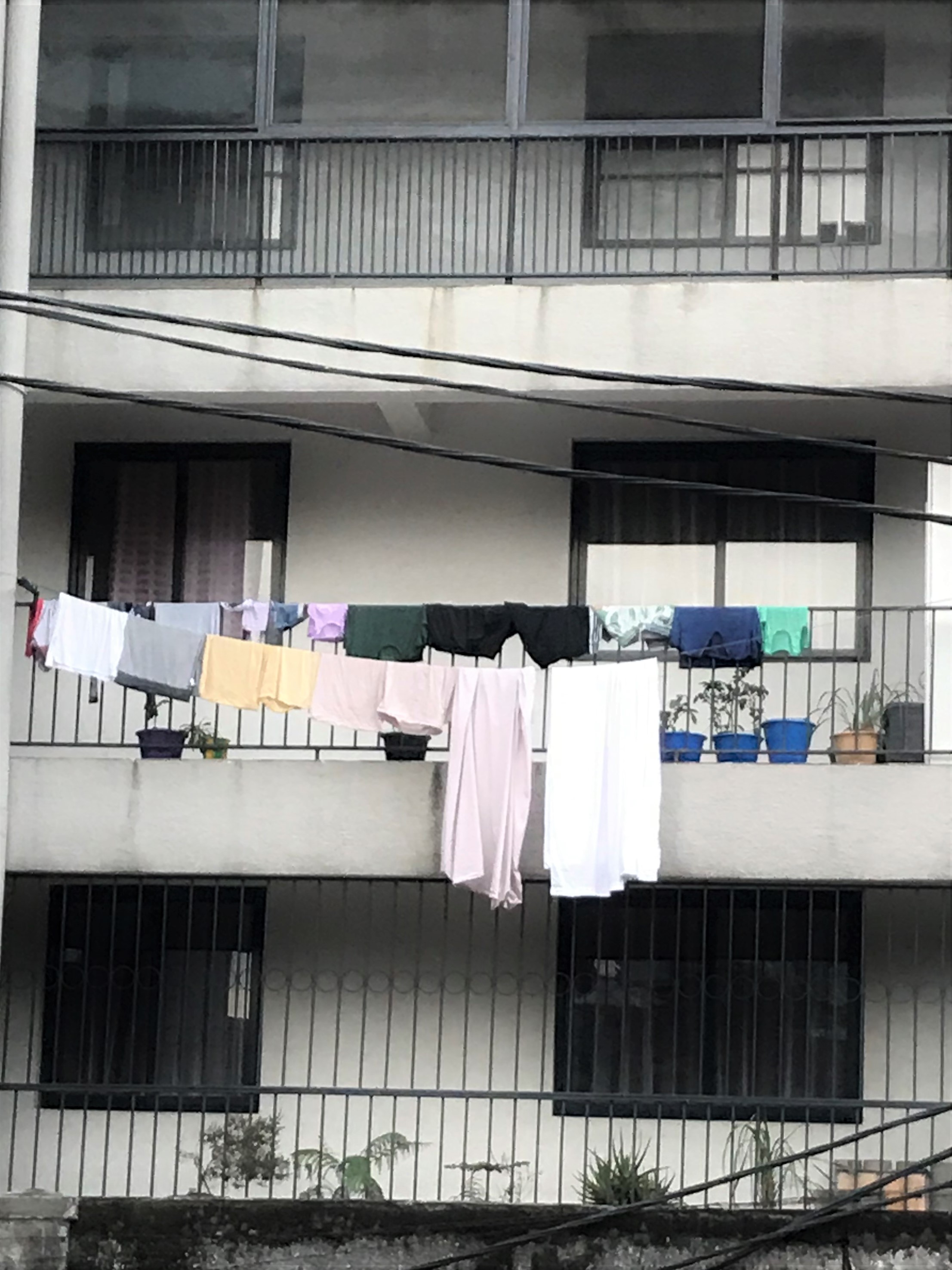
  2. Laundry drying
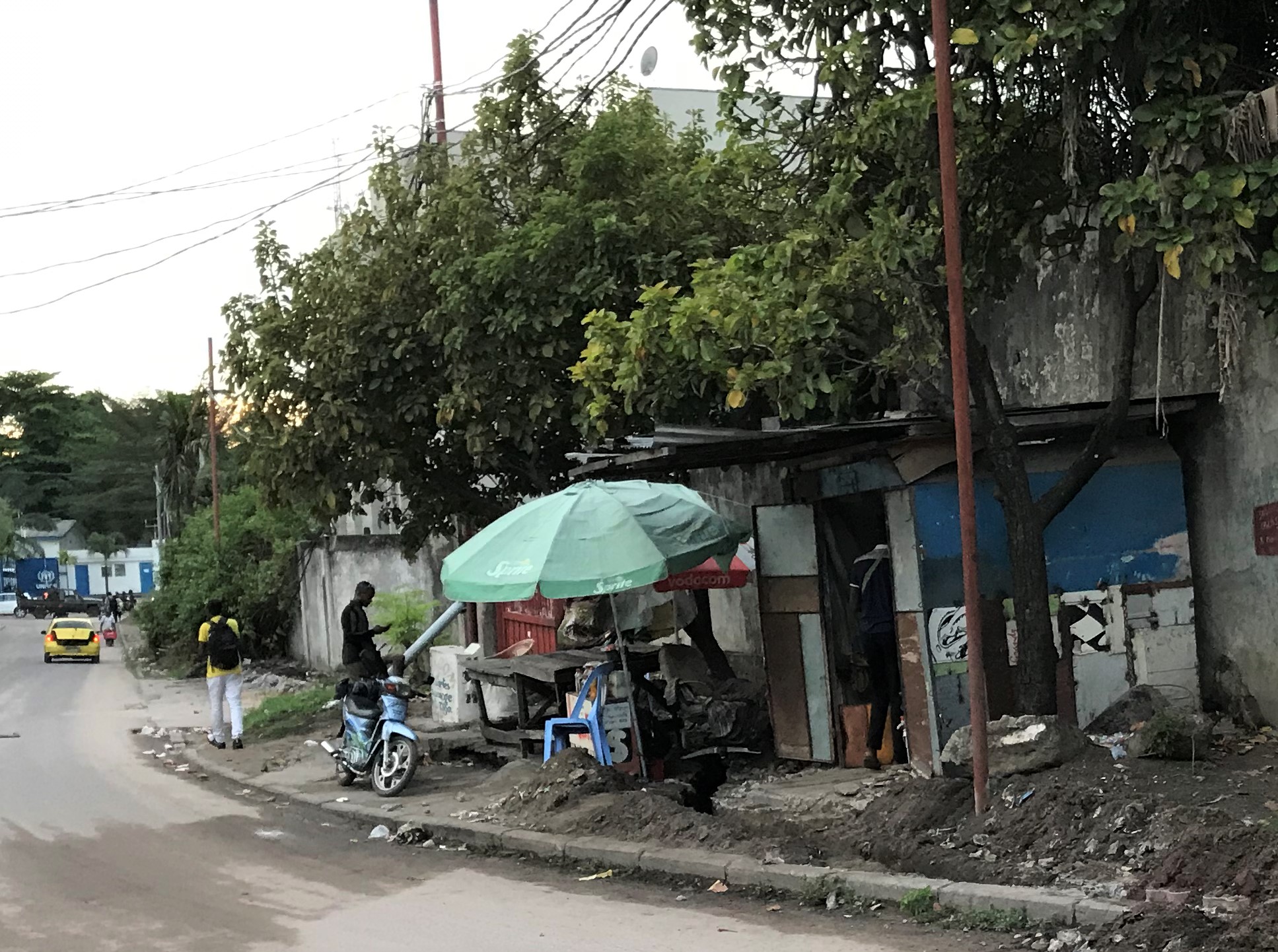
  3. Food stands where we can buy a Coke
  4. The little shed where everything is put away for the night

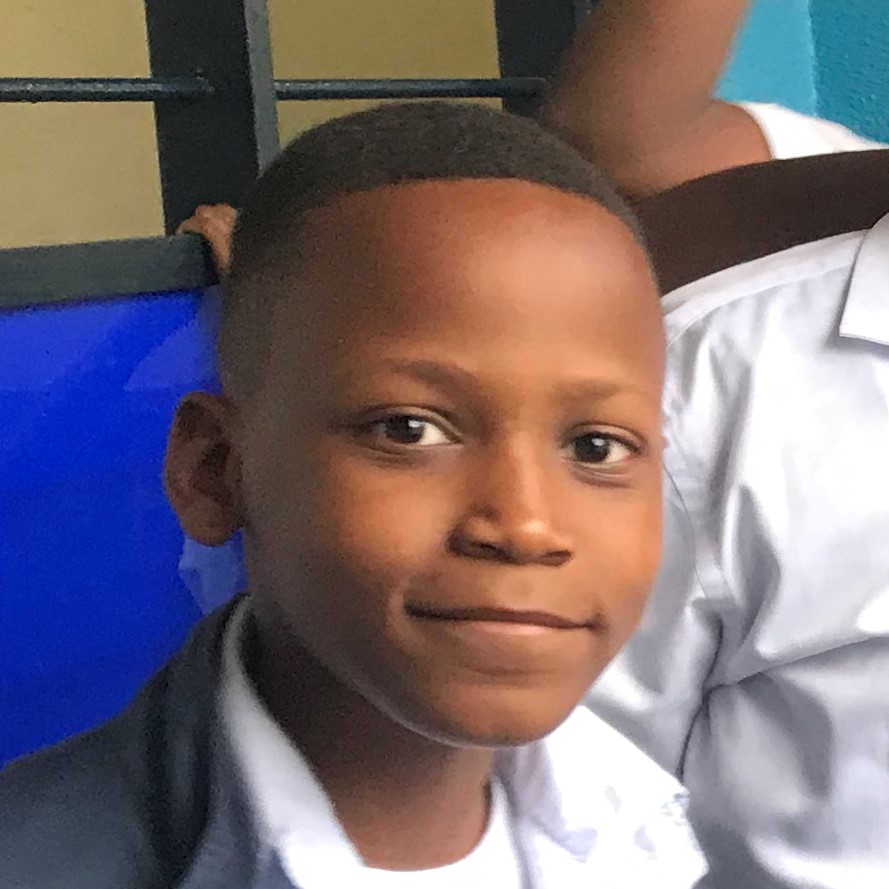
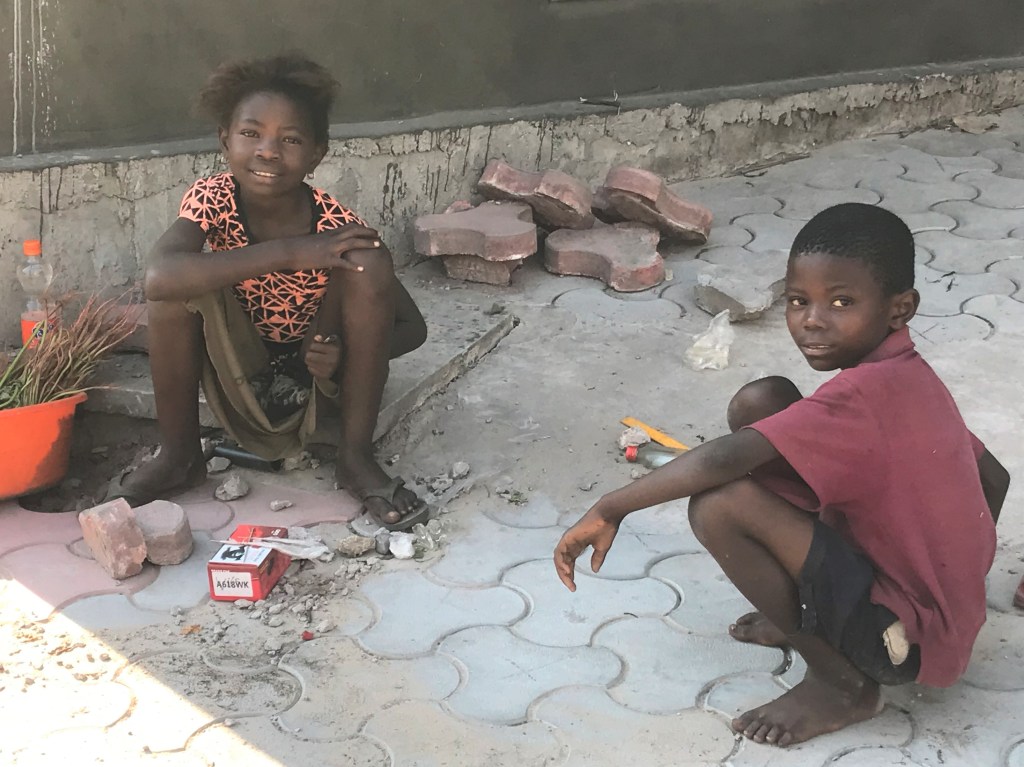
The children of Kinshasa who are not in school, smiling because we just bought some of their greens. I told her she was “jolie” (French for pretty) and she beamed.

Three blocks. Thirty minutes. So much life.

“Awa” Means Here

We found ourselves attending the Kinshasa International Film Festival last week. Banners were hanging over the boulevard near our apartment, so Annie and I inquired about it. We asked Hugh, and we found out his NGO has been one of the sponsors in the past and would be doing it again this year. The next thing we knew, we were asked to be jurors for the shows and help select the best film, best actor and actress, as well as a jurors’ choice. At first flattered, we became reluctant on discovering that none would be in English. Duh! 

It seems Hugh has no end of connections here in Kinshasa. We will be somewhere in public and are likely to be introduced to a government official or cultural figure. For example, he’s teaching English to the Russian ambassador, and he has me teaching the former prime minister of Congo. So we’re getting used to the unexpected. But this invitation to judge a film contest was a new one.

Fortunately, most of the films we watched had subtitles, making understanding and reviewing fairly easy. However, several were in French and needed to be translated for us as we watched; let’s just call it tedious—pause, explain, resume, pause, resume, huh? Etc. An hour-long film became, well, you get it.  Clearly, our qualifications to effectively and fairly select winners were flawed, biased, limited, questionable. Oh, yeah, like most contests where mere humans play God, selecting one or two winners to be honored with praise, fame, trophies, and prizes, while the rest, well, aren’t.

As for the winners of the festival. Our choices matched other judges (to our relief), giving the Best Actress award to a woman who portrayed a beleaguered single mother trying to provide an education for her daughter in a tragically corrupt social situation. It was called Awa which means here (and Here happens to be an amazing visual feast of Kinshasa. So we want to show it to you when we get home.

Best Actor went to a black forty-something lover of a white girl (drop-dead-gorgeous); he tried to resist a phony racist-motivated arrest by French police as the couple were simply walking arm-in-arm down a sidewalk. The young man resisted, the policeman drew his gun, and in the scuffle the beautiful girl is killed. Devastated he takes his own life.

Best Film went to Mama Bobo, a very touching story of an old widow eager to join her husband beyond.

The film festival was our first glimpse of the upper crust of society here—splashy people, good music, a colorful crowd. I should mention that African fashion features flashy, glitzy suits on the men, who in many ways out-spangle the women. For women here, the dress plays only a supporting role to the wig, which is the real star of her show. (Even school teachers we work with wear wigs.) The finest of these stylish enhancements are often referred to as Egyptian weaves. To me, they resemble dreadlocks but more tightly woven, braided, intertwined. Rows of perfectly-laced black locks may be straight lines or curved and may be snug to the skull or layered and multi-colored with hemp-like strands that give rich textures, like elegant yarn often punctuated with beads or jewels. Then, from either the top or back of the head, small braids loosen and hang freely down the back or onto shoulders and trail even more loosely, sometimes different colors, brown, auburn, even blonde. Whether piled high (and heavy in this tropical heat) or extended back, they wear these like crowns as proudly as a monarch.

A Touch of Germany

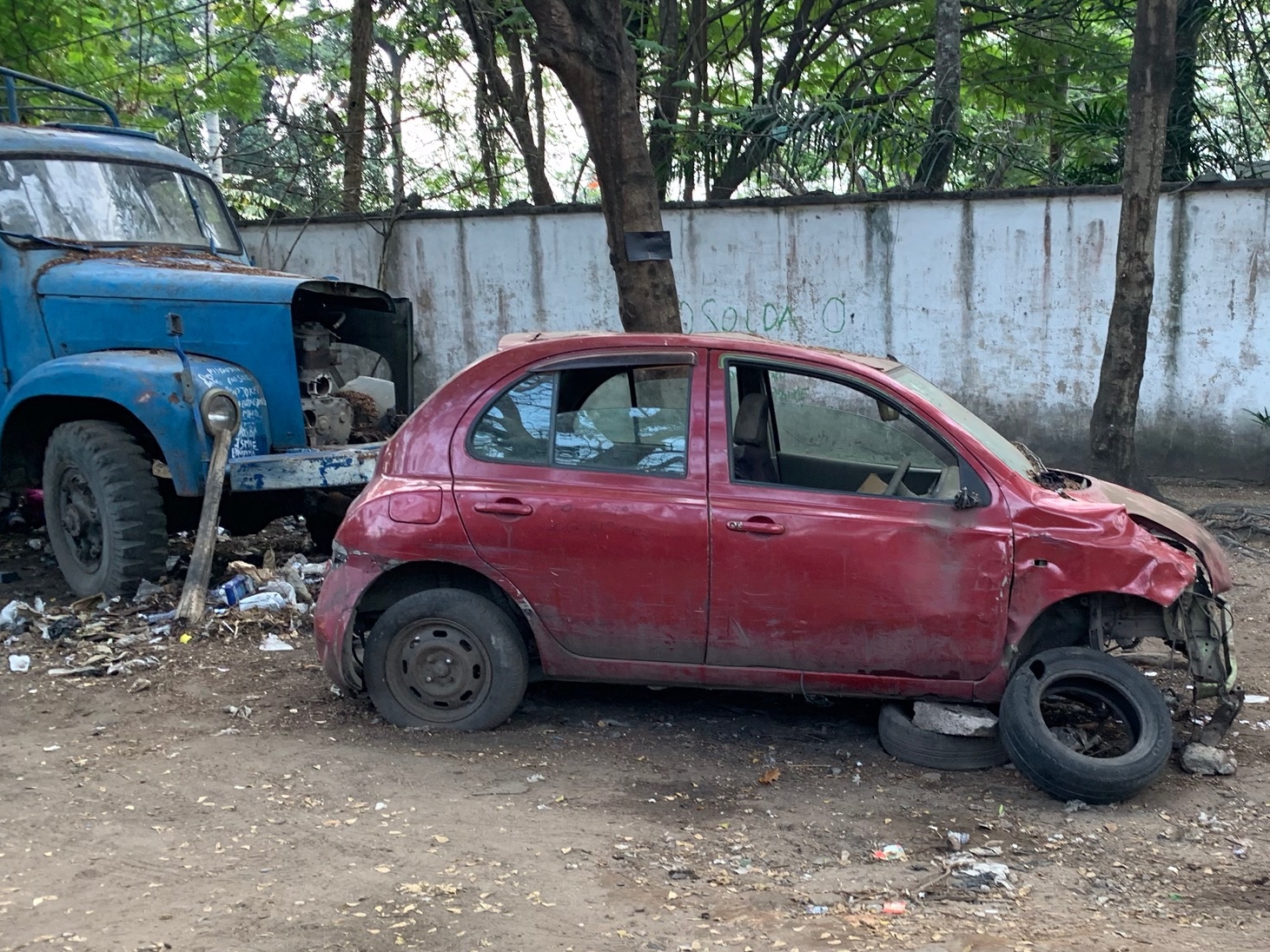
From Annie 10.22.19 We followed our curiosity a little ways out of town to a place Hugh and Marcy said was an oasis of art, music and dance.  But our taxi driver must have taken the wrong turn. He drove us down a dark, narrow road littered with derelict cars and trucks that had been in terrible accidents—windshields shattered, sides crushed, hoods opened as wide as crocodile jaws revealing mud-caked, leaf-filled engines. They seemed to be sinking into the earth, decomposing already as they searched for their ancestral home.

On one ancient truck, a man sat on the back bumper while a barber clipped his hair. Another man washed his legs in a stream of water from a public water pump. Two men’s heads were buried under the hood of a taxi that would never feel the breath of life again. This couldn’t possibly be our destination.

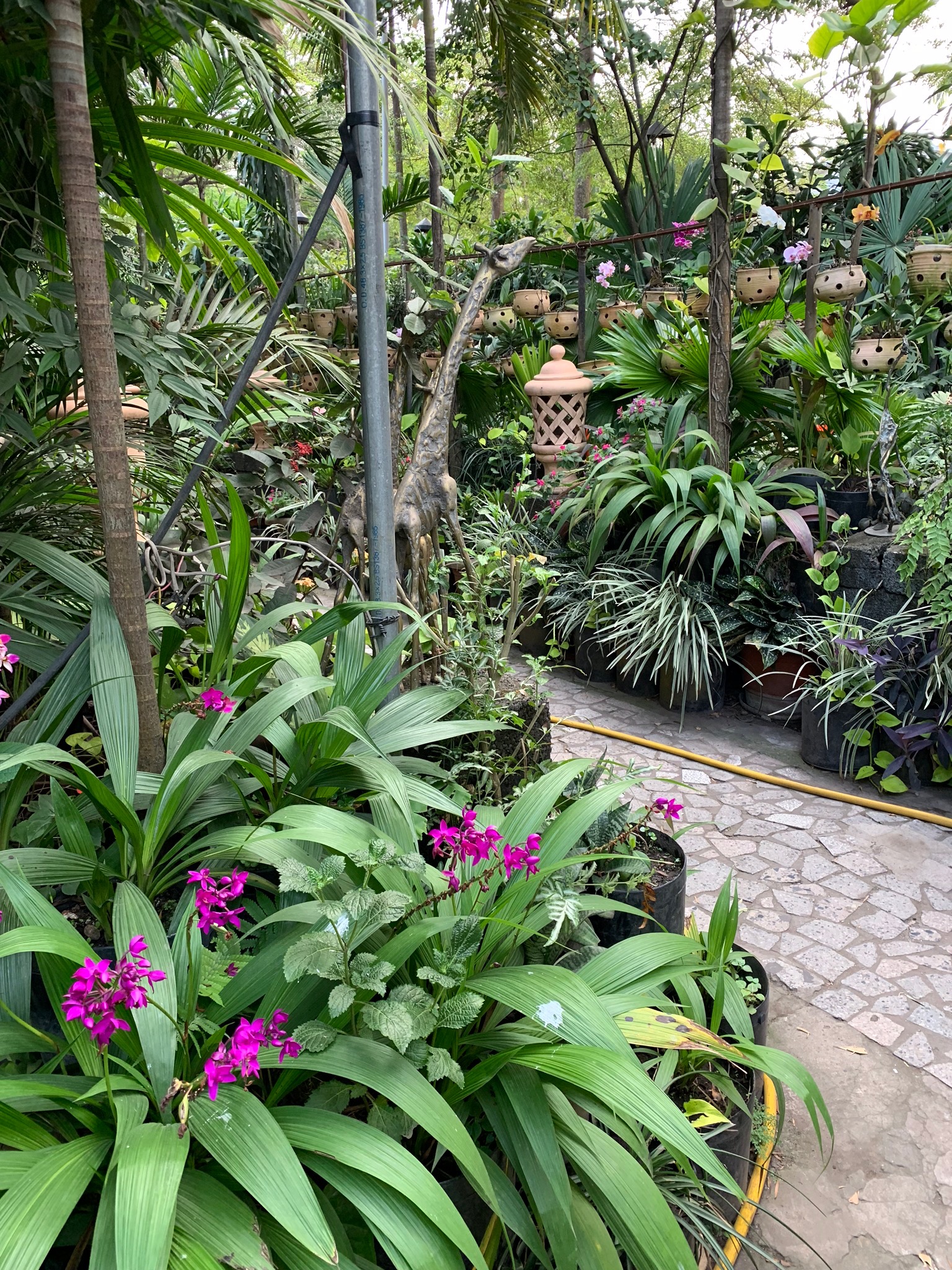
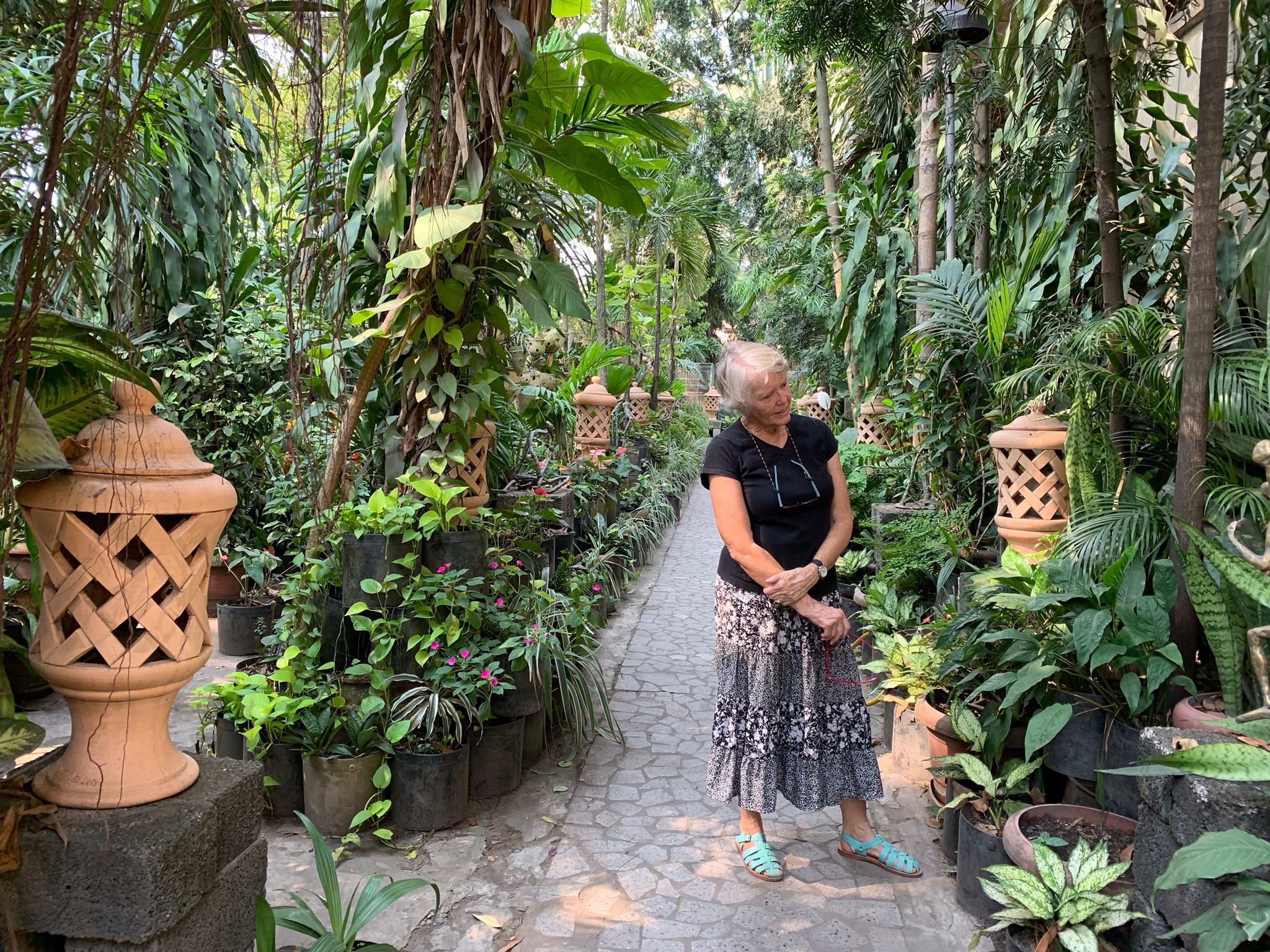
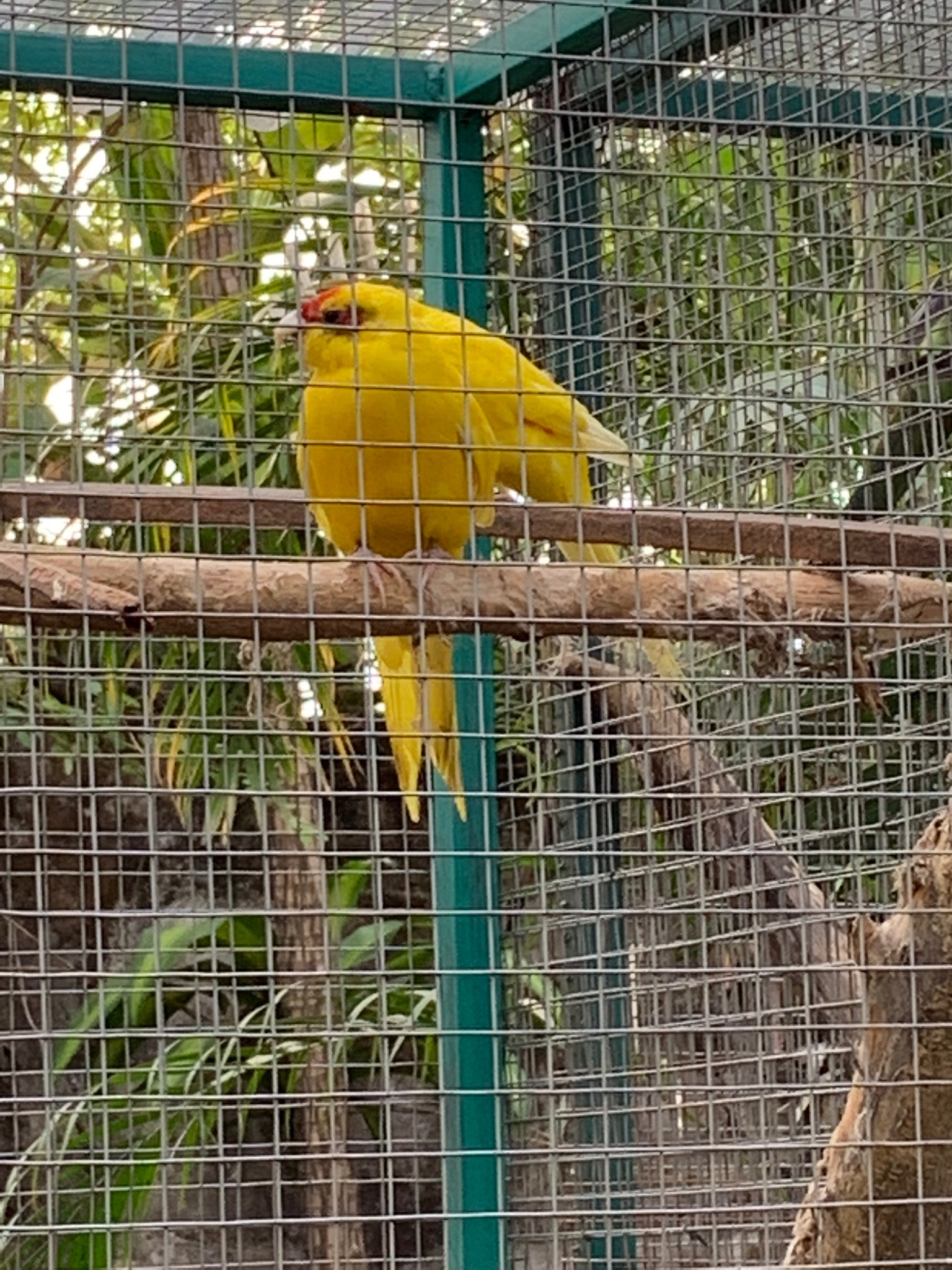
Yet there on the left hung a small sign: Symphonie des Arts. Through the green wooden door, we stepped into a tropical paradise. A narrow path led us past small metal animals, soothing waterfalls, and bright birds in large clean cages. We stopped to try to speak their language, of course. 

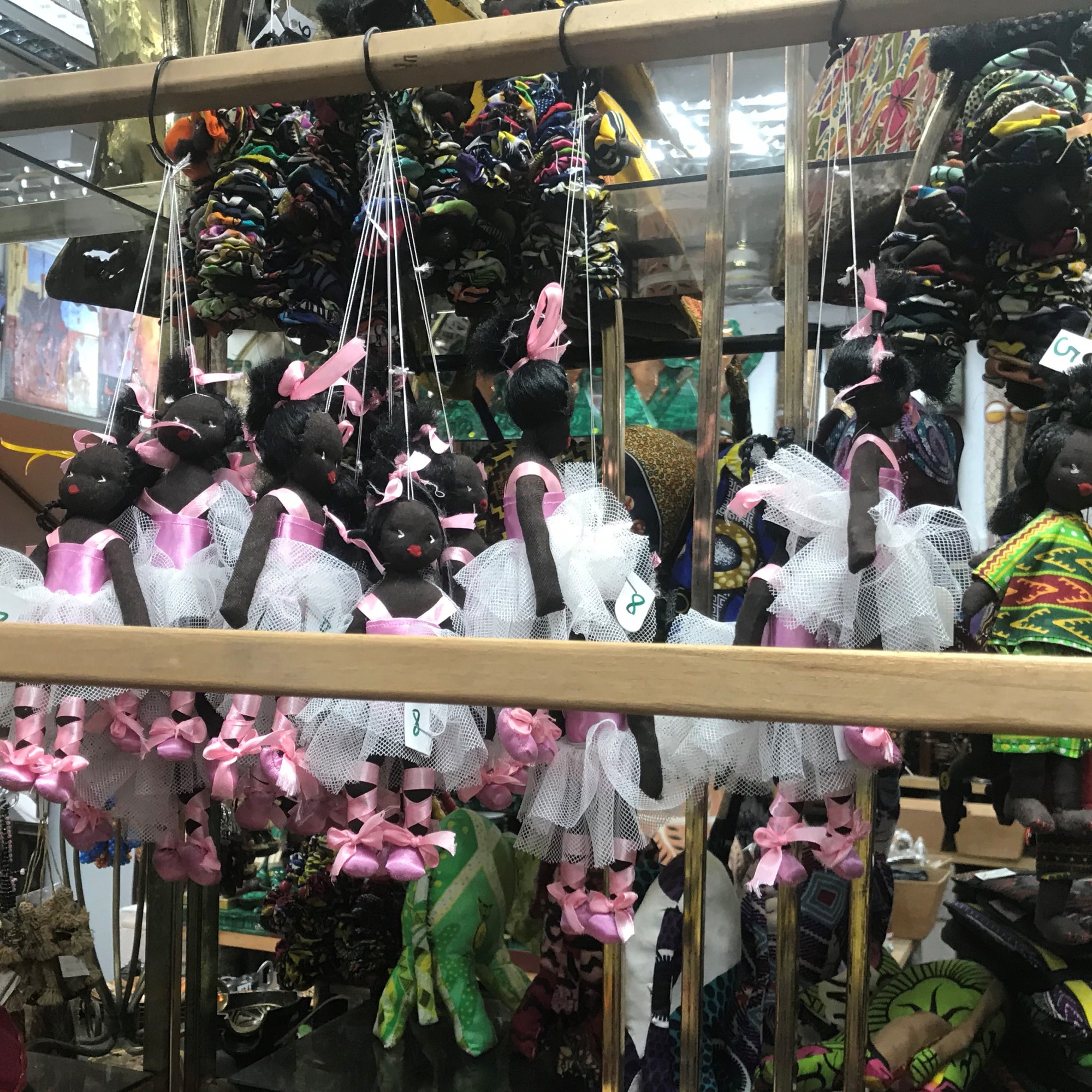
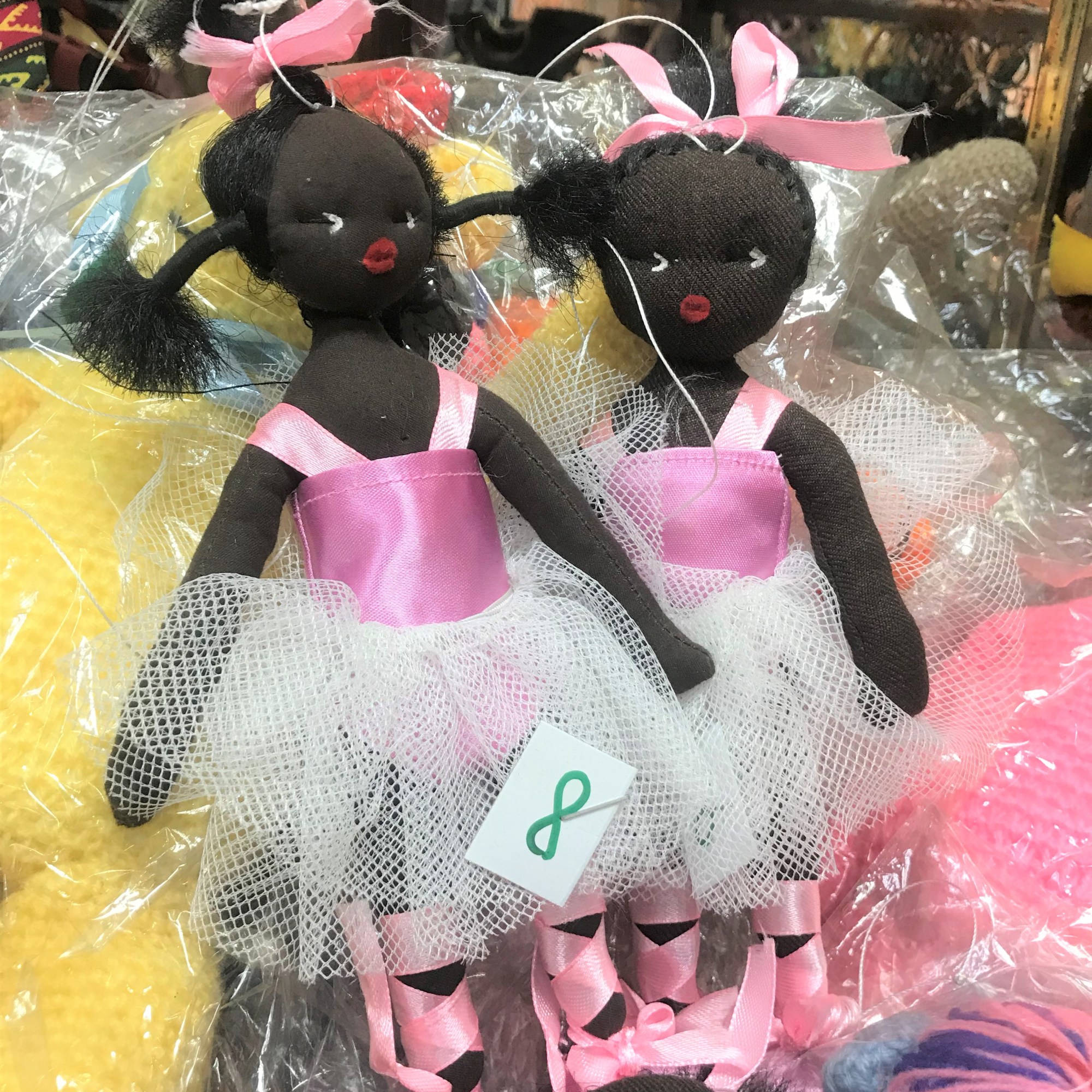
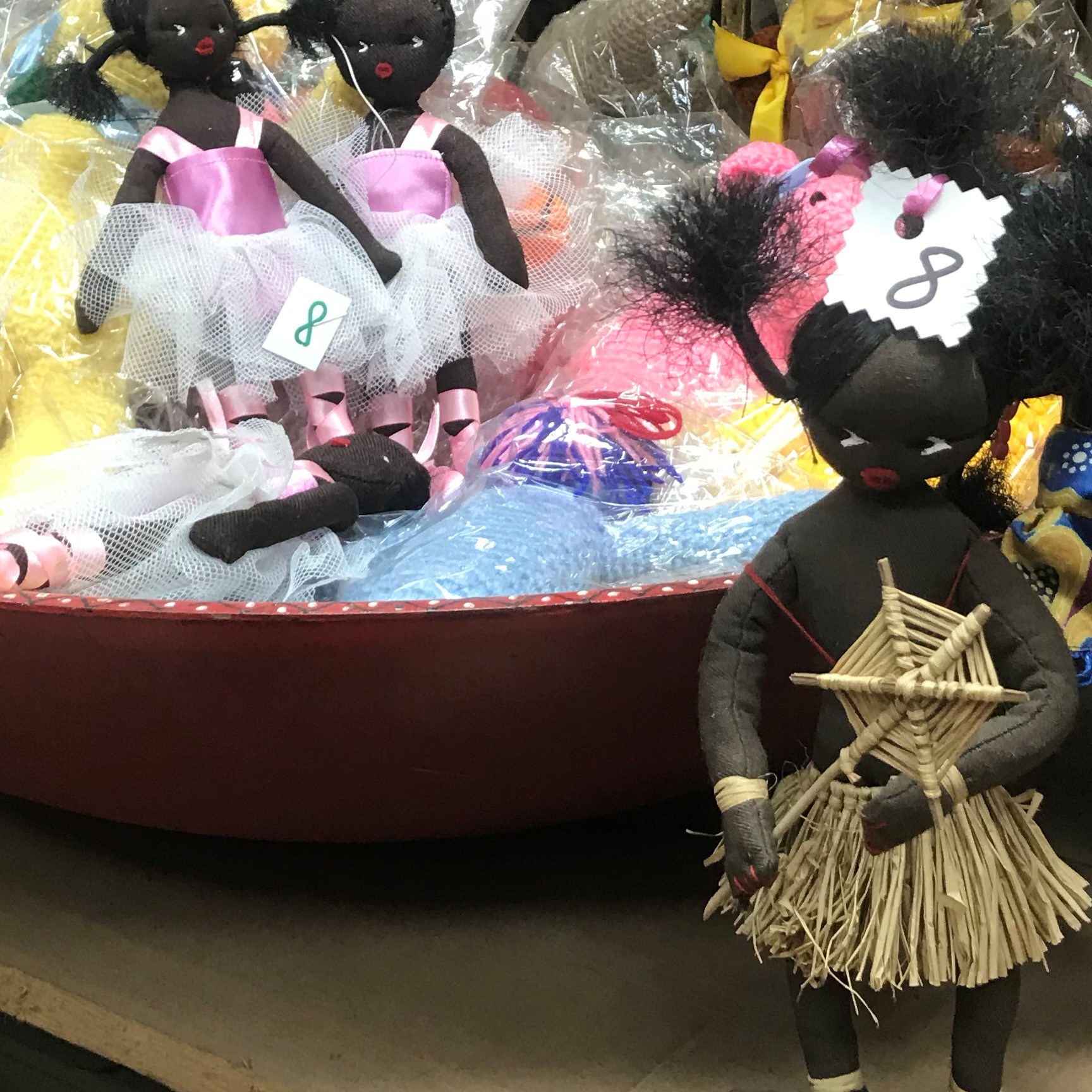
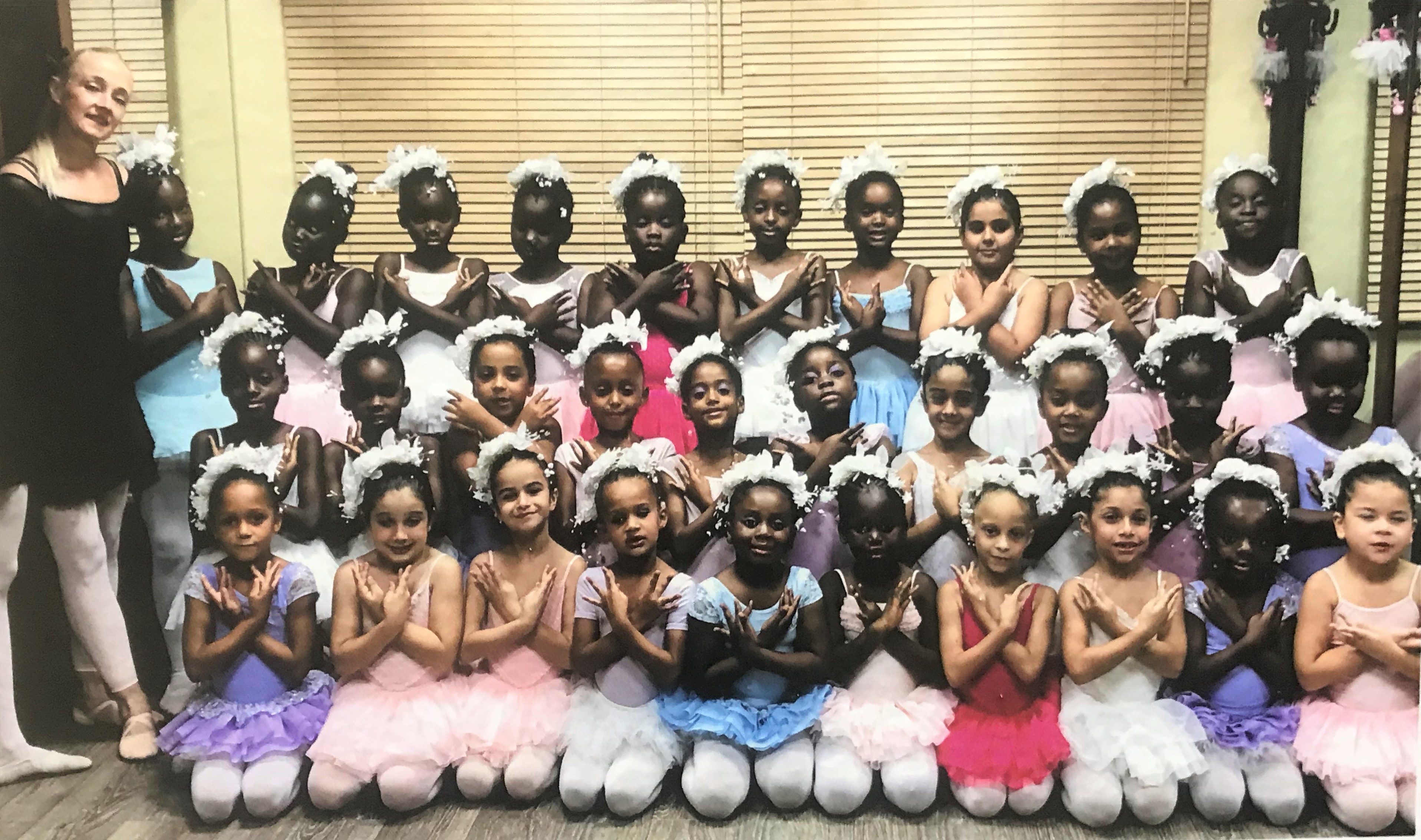
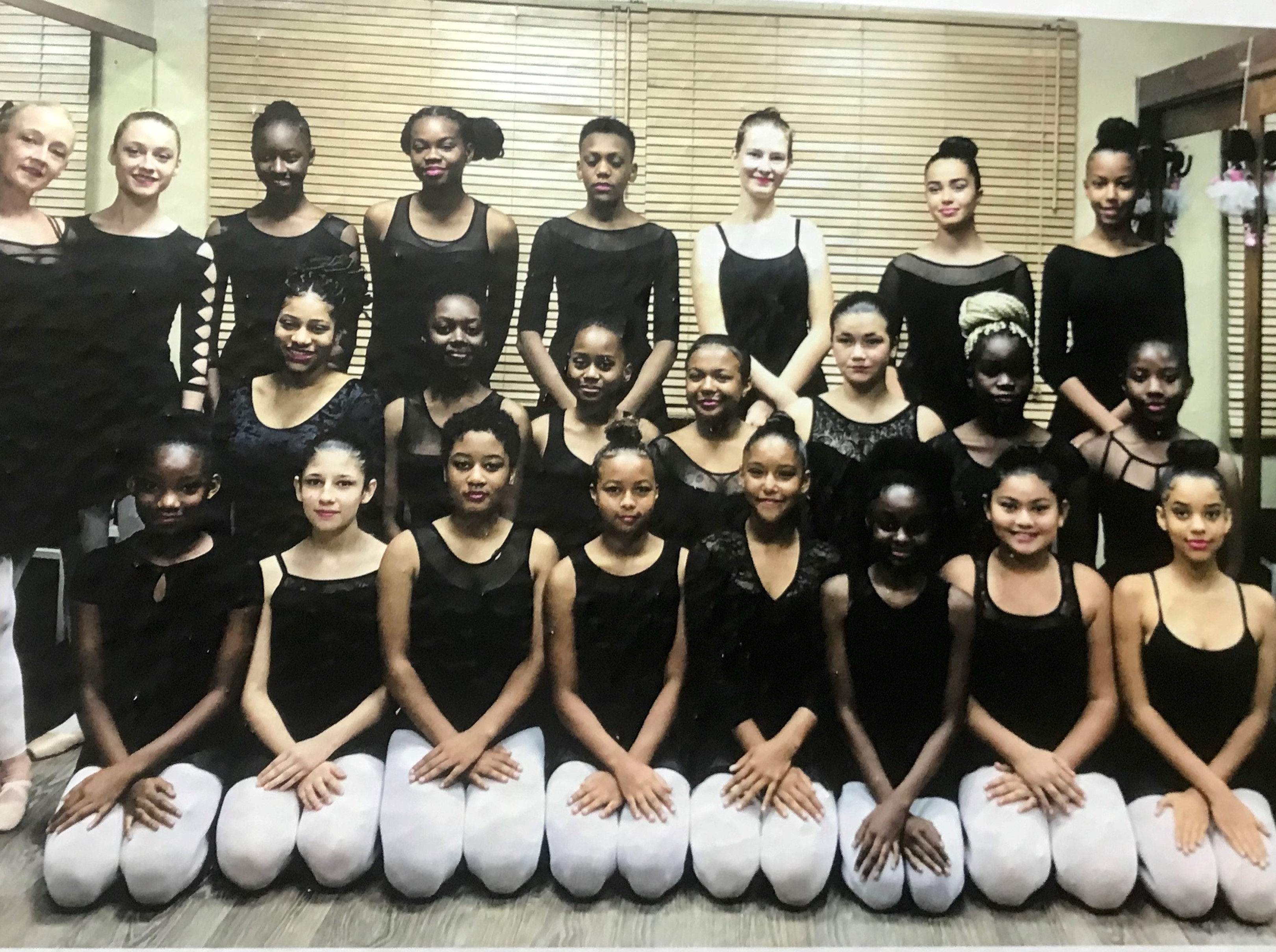
The large gift shop lured us inside and we spotted an older, very friendly and very blonde woman. She had come from Germany to the then “Belgian Congo” in the 50s and founded a ballet studio. No wonder there were little black ballerina dolls in pink tutus everywhere!

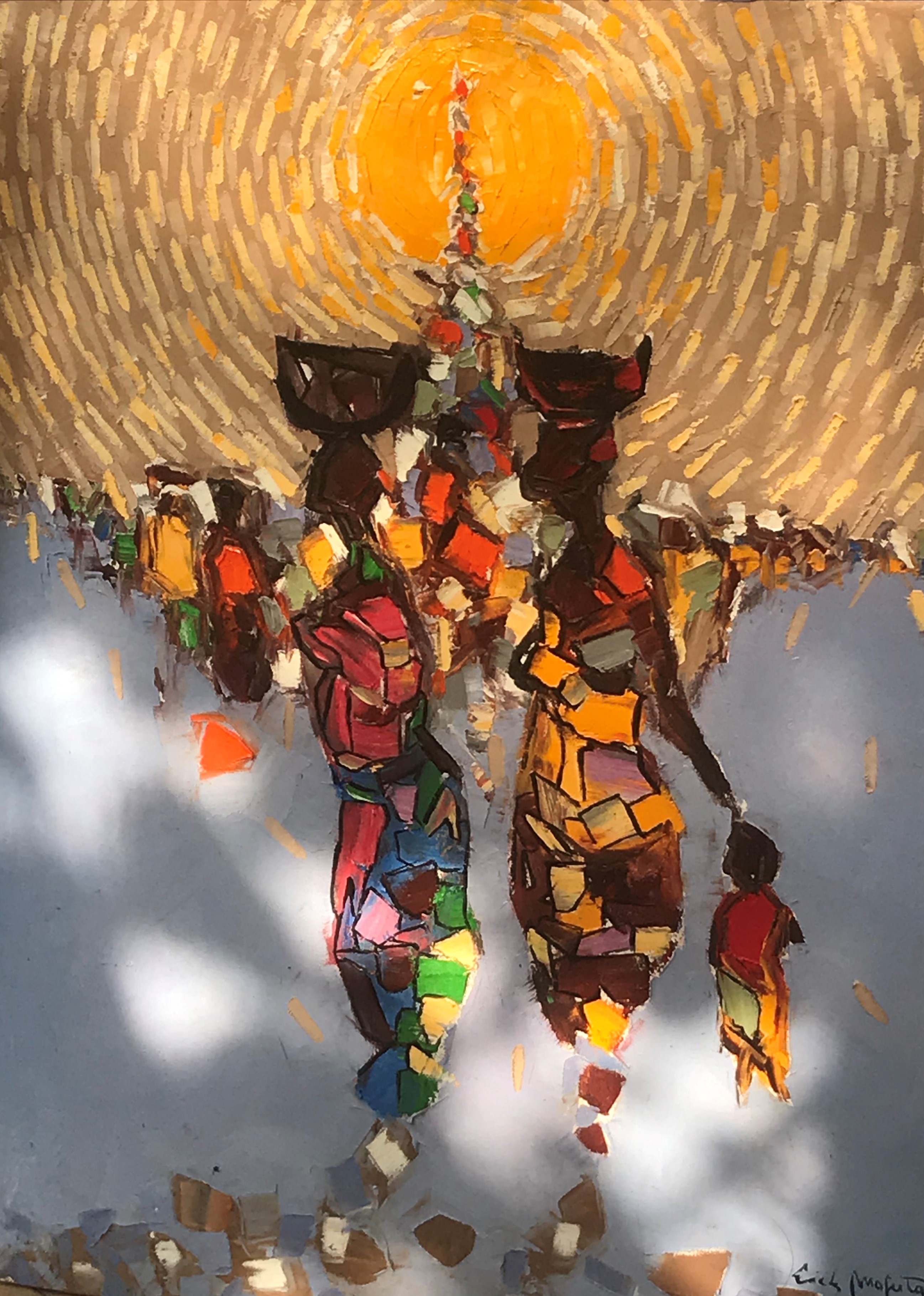
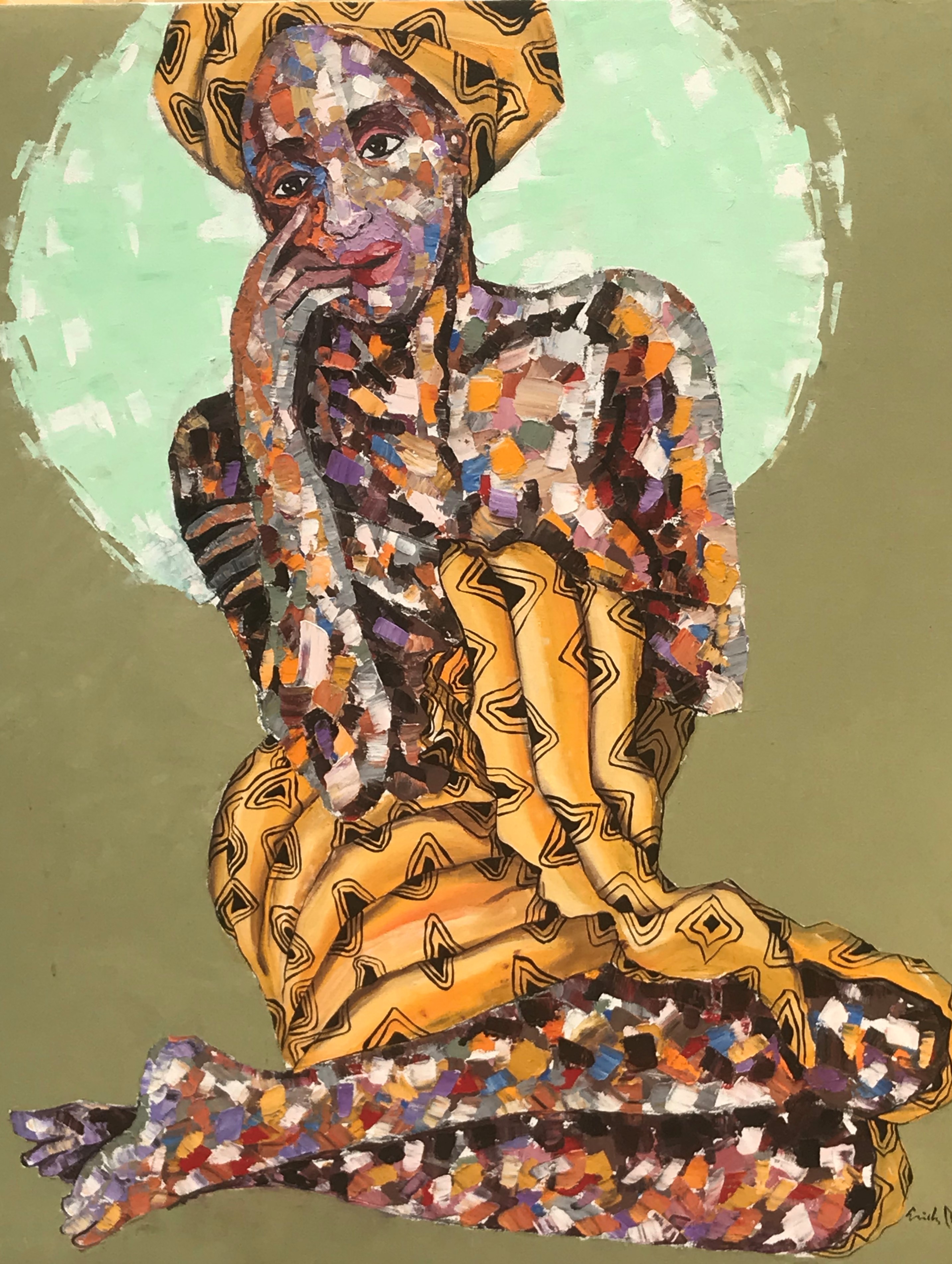
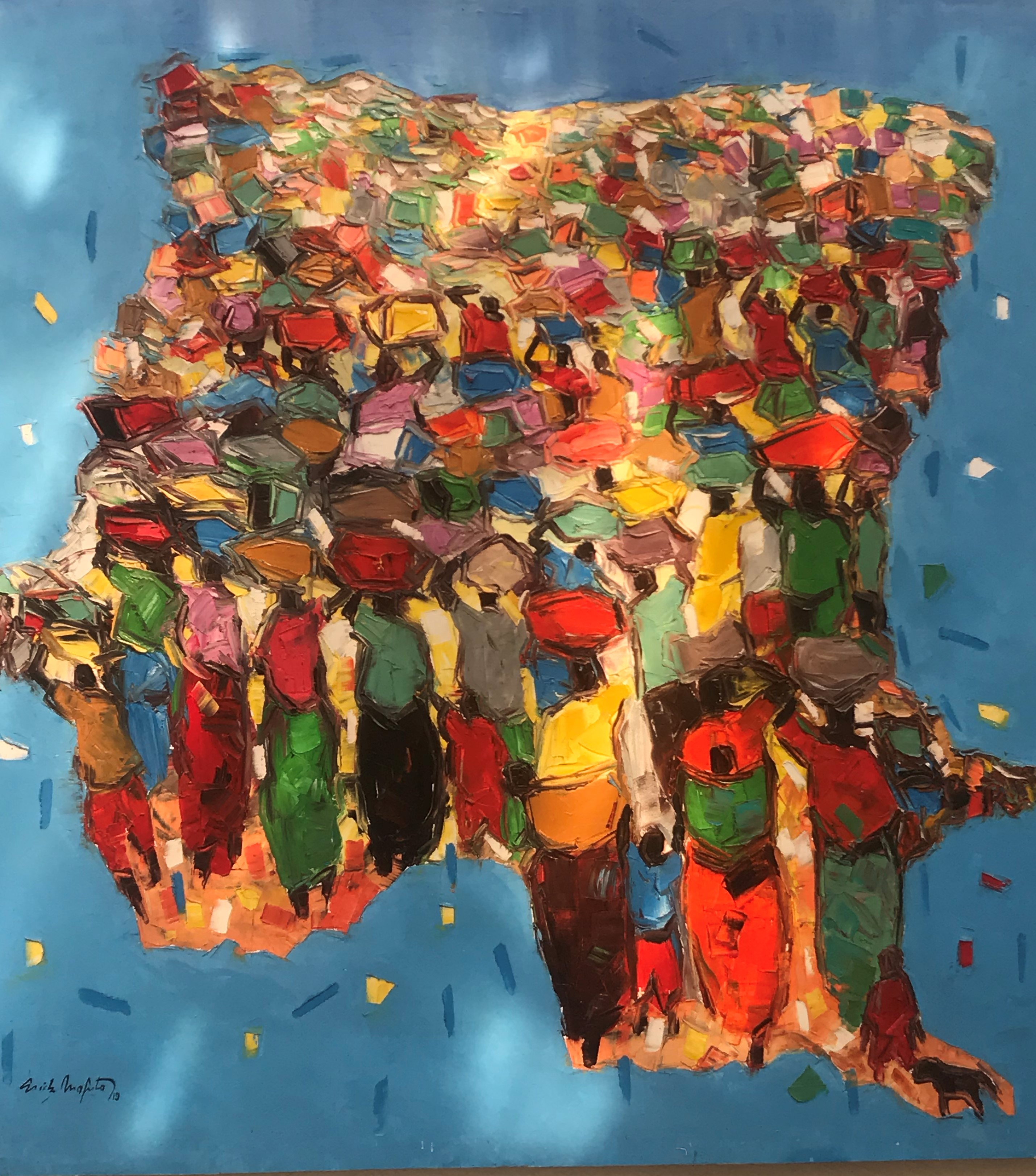
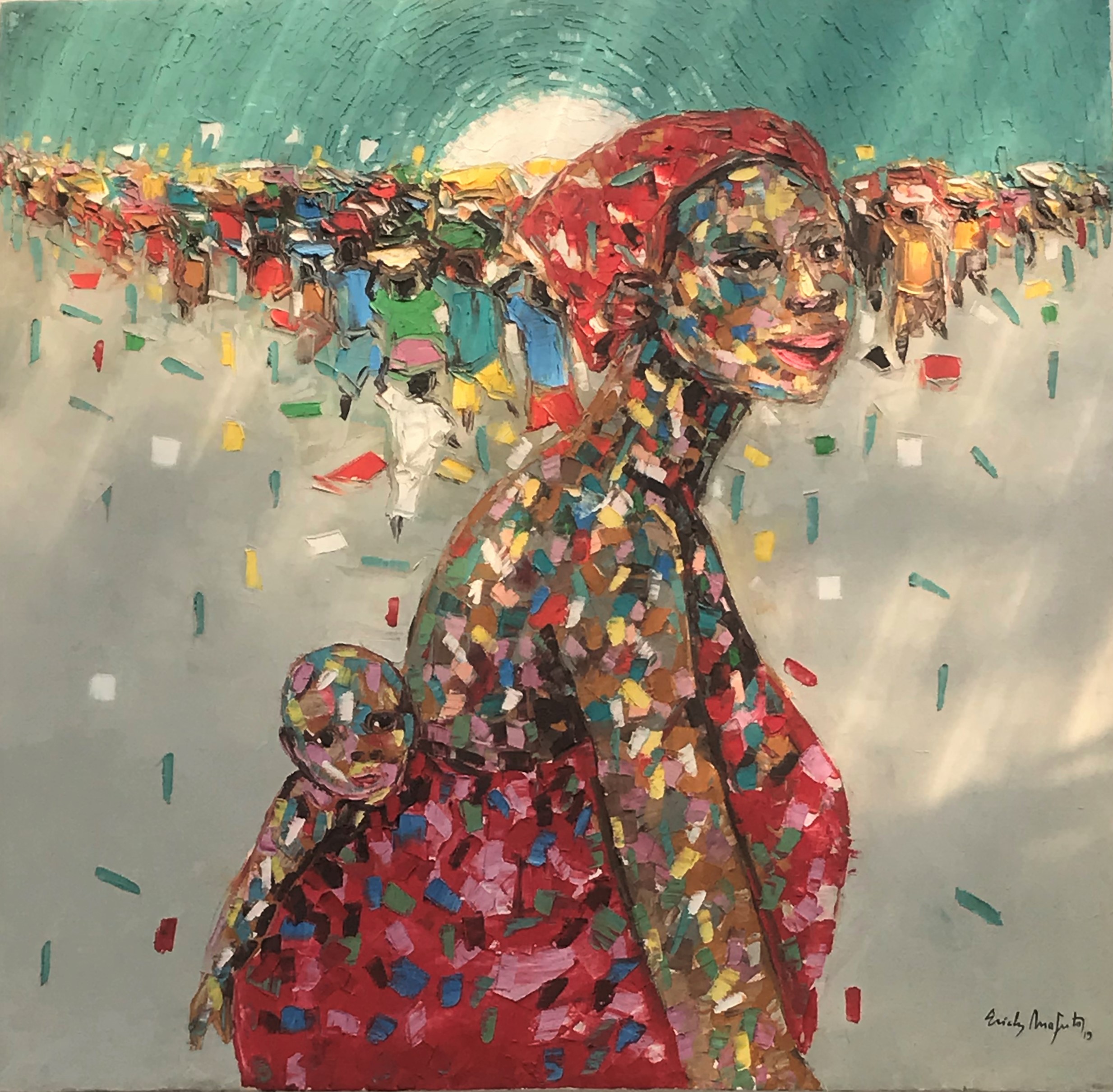
When I caught sight of the paintings outside, I was  incredulous.  The rich colors, bronze faces, patterns, and textures took me instantly to Nathan’s work 8,000 miles away. Though sensitive to agonizing struggles, this show was was a triumphant celebration of a noble people. Such pride and hope on every canvas!

One can’t help wondering what the German family might have been escaping in Germany’s tragic history, but it would be a deeply held secret probably kept from the fair and graceful granddaughter who teaches ballet. On the walls to the dance studio hung photographs that made me gasp in delight. There they were, the dancers, row after row of smiles, perfectly combed hair, pink tutus, shiny tiaras, ribbons—fulfilling a child’s dream. (Every wealthy child, that is.) Some faces were so dark I  could hardly see their features, others the color of almonds. And when I looked into their eyes, I saw my own little girls and almost cried.

We just lingered, breathing it all in, then walked back through the broken cars to wait for our taxi.

Rainy Day

From Annie, THINGS YOU PROBABLY WON’T SEE IN AN AMERICAN SCHOOL:

A young girl welcoming me with a slight curtsy, a smile, and a heartfelt inquiry into my emotional well-being that day 

A grinning 12-year-old boy bowing his head slightly and putting his hand over his heart as he  greets me

Secondary teachers traveling from class to class, weighed down with 24” protractors and compasses or bulky science equipment, carrying all their teaching aids upstairs and downstairs because the students don’t rotate

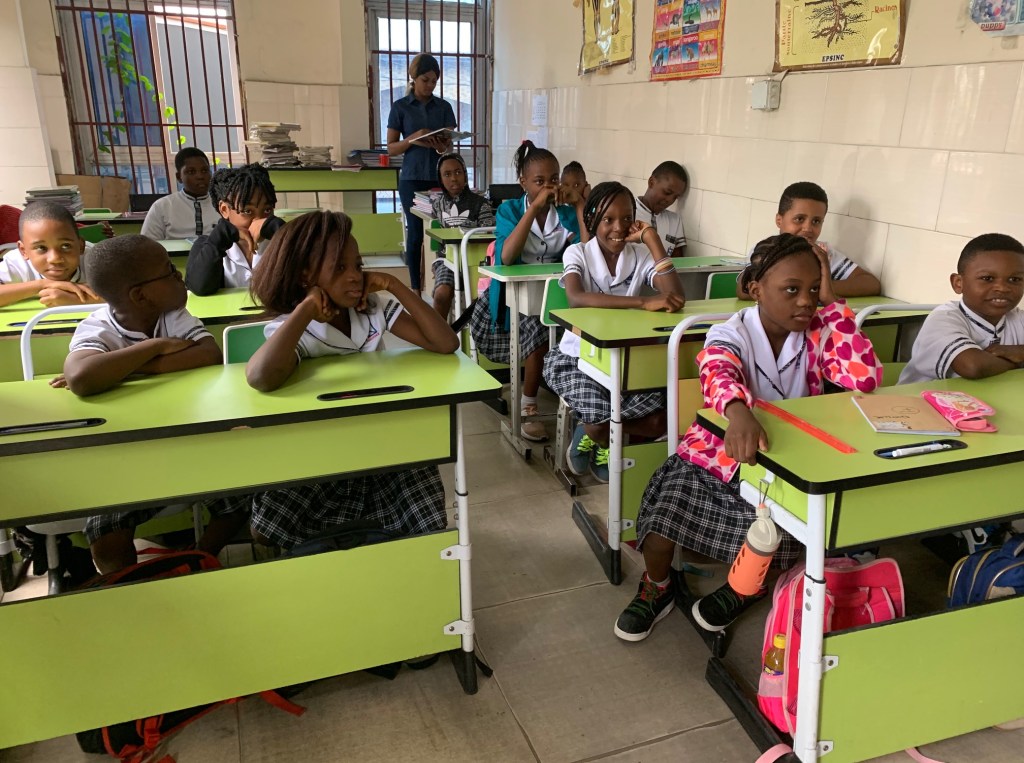
Teen-aged students staying in the same cramped room all day every day, staring at the same walls, getting along or not getting along with the same students, sitting in the same hard chairs in the same rows, always right in front where they can hear the teacher or way in back where they can hardly see the board

A tenth-grader arriving late to class, actually waiting for permission to enter, apologizing to the teacher for being late, and quietly taking his seat

Teachers with 38 students in a classroom with no glass in the windows, trying to be heard above the dizzying cacophony of rickety ceiling fans (four to six in a room), barking dogs, blaring horns, a class chanting loudly right outside your window because the next-door teacher decided it is too sweltering to stay inside. (During the rainy season, throw in the sound of a heavy downpour and sirens.)

A long row of parents sitting outside the principal’s office because their children were tardy the day before  

A third floor computer lab with no air conditioning or fans in 90-degree weather

A worried student timidly asking his teacher about the naughty monkey in the day’s story who was eaten by a crocodile. “Is the monkey dead?” he whispers. Gripping his shoulders, she answers firmly, “Yes, that’s why you have to follow the rules.”

A teacher yelling at a preschooler who isn’t singing, “I’ll take your food away.” Or “I’ll beat you. Or “I’m going to call the police.” (The 4-year-old suddenly begins to sing.)

Middle schoolers going room to room, clipboards in hands in order to keep a careful record, asking for donations for a student’s uncle who died

Teaching Together

From Giles 2 Oct

After our first month of teaching in conditions that are new to both of us, we have seen each other actually teach. So after years of just telling each other how our day went or about this class or that at our separate schools, with all the bests and worsts, highs and lows, triumphs and let downs–we now know for ourselves, firsthand. I can’t speak for Annie, but I can say that as I’ve watched her in classes and listened to her in our training and strategy meetings, I’ve marveled. Her decades of study and rigorous pursuit of understanding the pedagogy and learning theory have impressed me greatly. Both her depth and breadth of knowledge of the research and best practices just flow out in our meetings with the director of the program or his faculty, or the faculty of the schools we work with. It’ s been so fun to work beside her and continue to be so proud of how she has been so confident and competent in these presentations. And of course her usual enthusiasm helps bring it off in such a personal way. She was asked to speak at commencement last Saturday morning for the graduating class at the American Language Institute, an excellent address that was simultaneously translated for the parents and family of graduates. These are the adults who come daily for six weeks for six consecutive terms to learn to speak English. Rather than my opinion of her speech, I’ll report what one of the teachers told her afterwards: “That was a fabulous speech.”

Among our interesting opportunities, was one I had again today. I’m giving private English lessons to the former Prime Minister of the Democratic Republic of the Congo who is currently a member of Parliament, since his side of the house lost majority. He is a fascinating man who takes correction easily and understands English when spoken with the Congolese accent, but he has difficulty when it’s spoken by an American. So we’re working on that using conversation. We meet three times a week for an hour. So with our other assignments, we’re keeping busy.
Food for Thought

One thing I knew I’d never do—and I had to come 8,317 miles to do it—is write a food blog! But not including food in our story is a waste of a good trip, right? We’ve had two recent exploits, one extremely American, one as Congolese as it gets.   

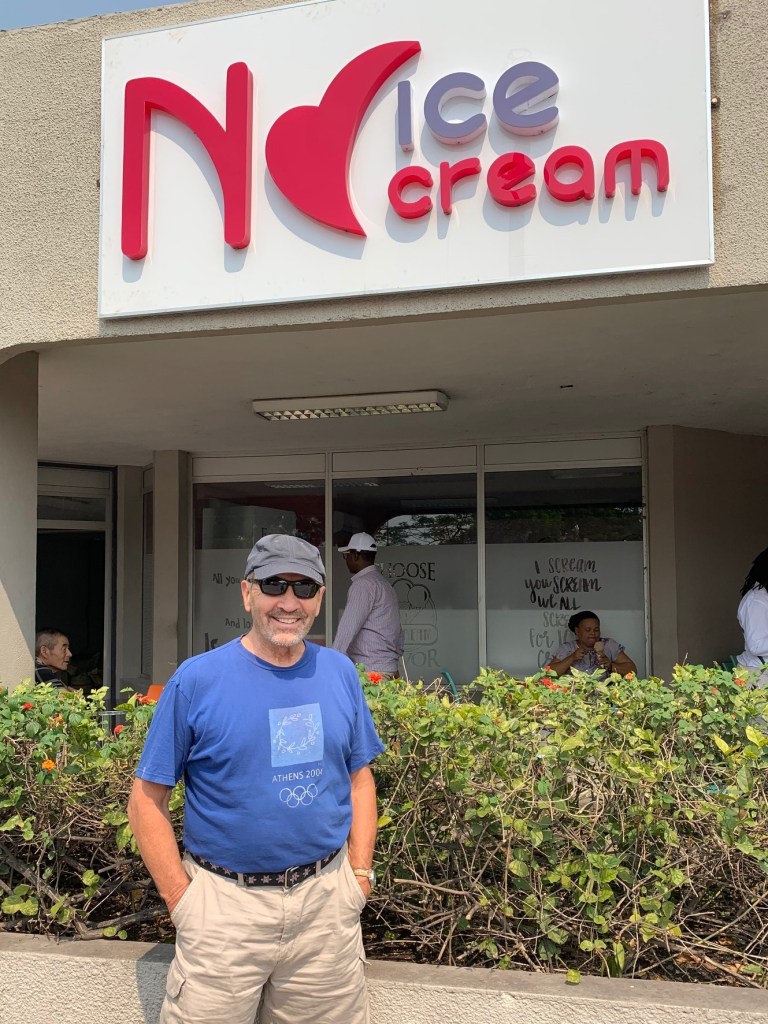
One Friday night, we had something to celebrate, including everything! A little place called “Nice Cream” is not far from us, tucked safely behind a well-defended security gate. We hadn’t ventured out after dark before, so we felt super brave! The air was muggy, the foot traffic still heavy as we strolled down the street like tourists on a boardwalk.

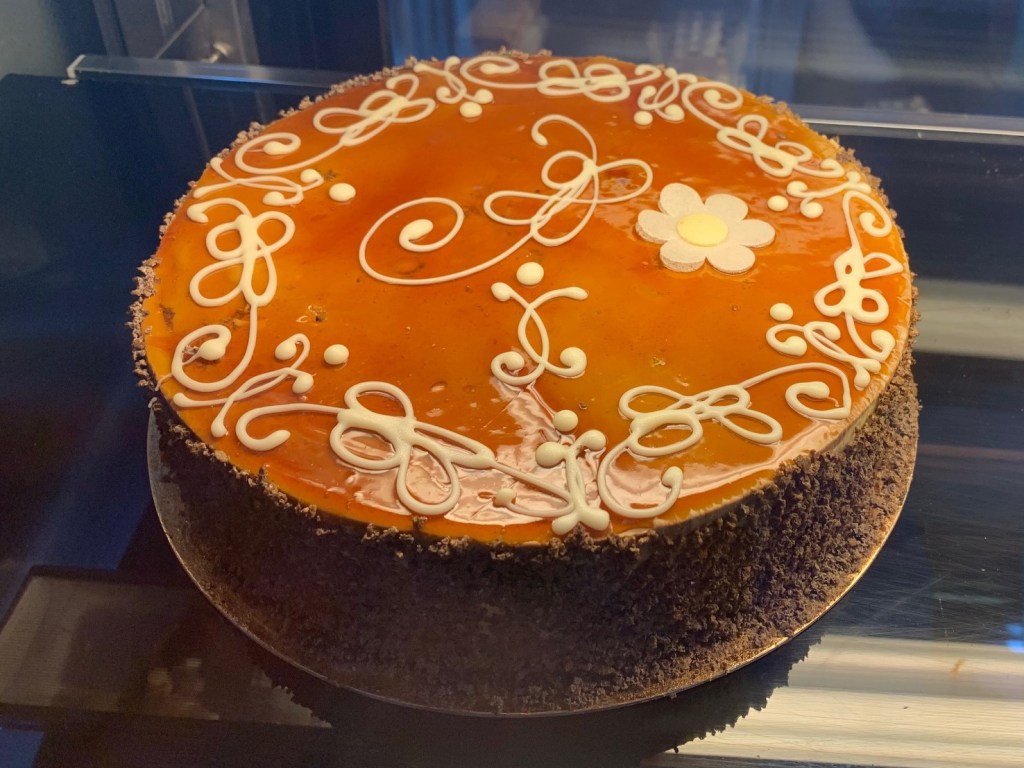
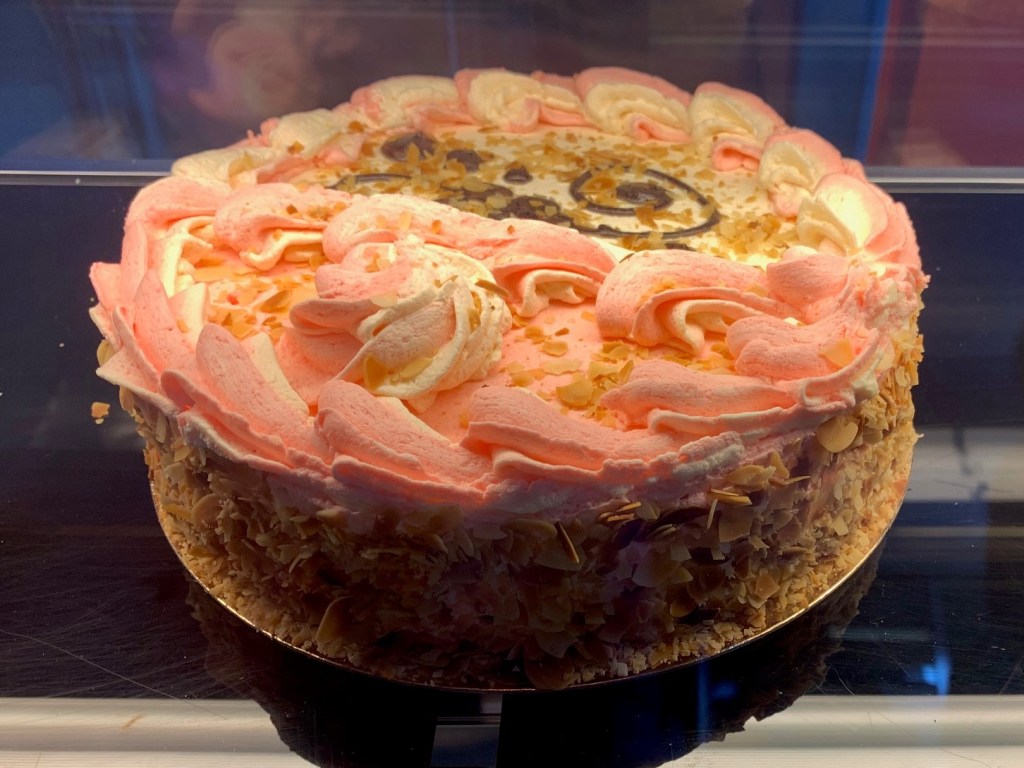
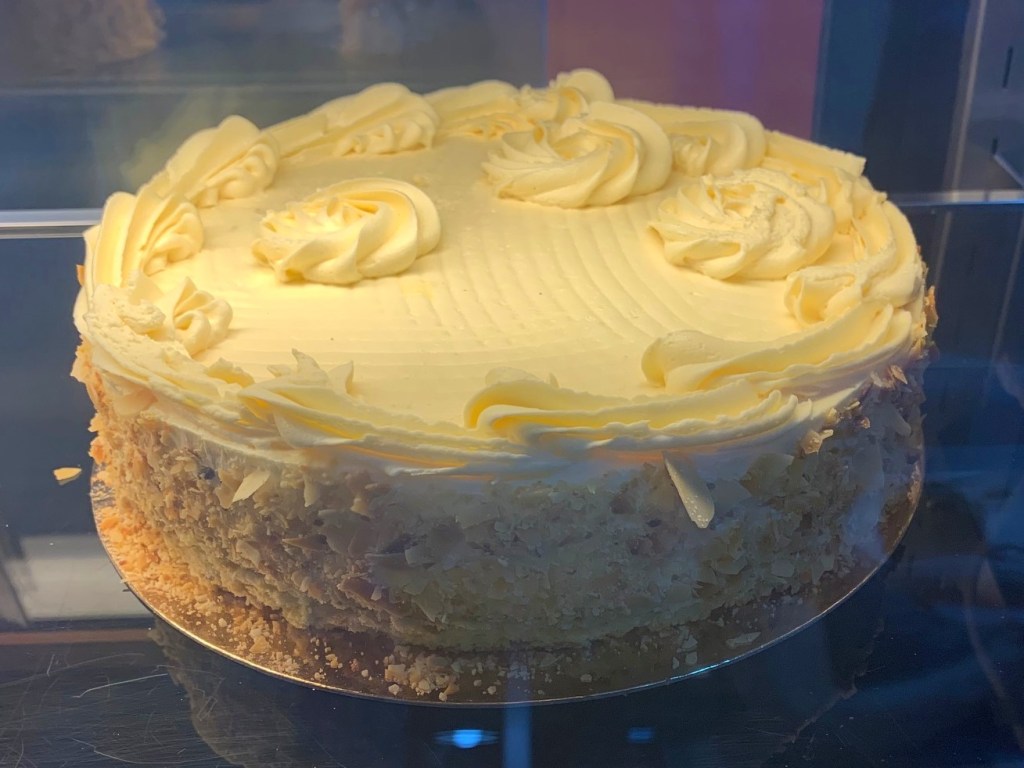
Aren’t these cakes amazing?! They are for Maren, our baker supreme. And of course they have an “Obama Cookies” ice cream flavor.  Doesn’t everyone? I’m not sure any other U.S. president can boast an ice cream flavor in Africa. I ordered an enormous, chocolaty scoop and it was worth every frank and every calorie.

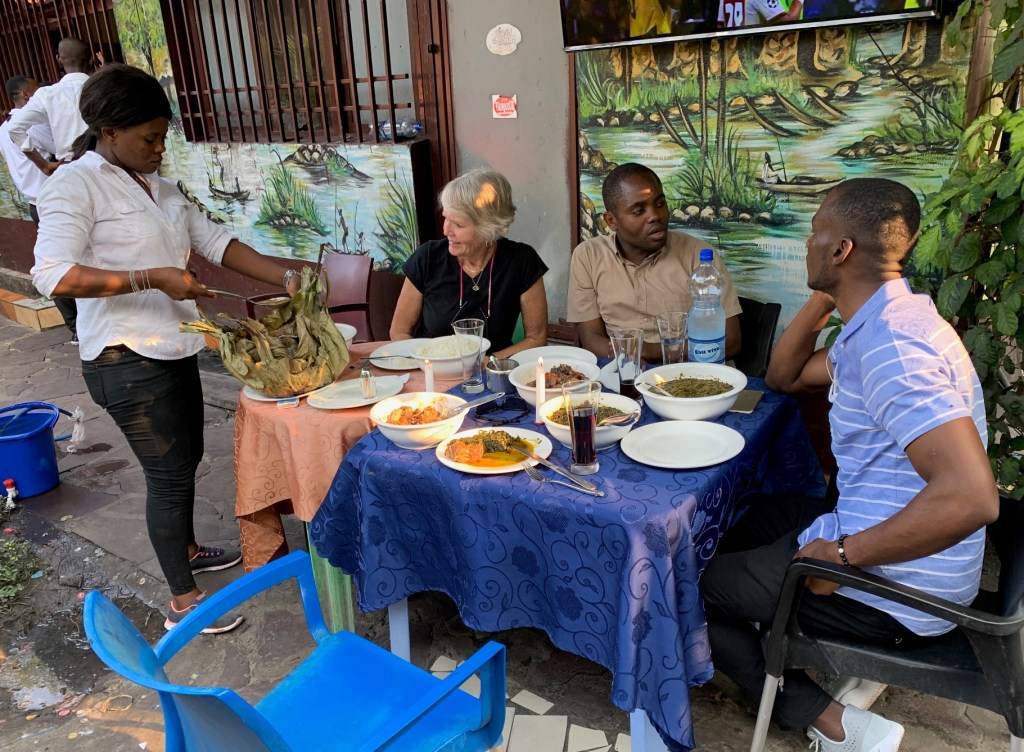
On Sunday, we decided we’d played it safe long enough and braved new territory.  We asked  De De (pronounced Day Day), one of the teachers at ALI, and Christian, our ALI housemate, to help us find some real Congolese food.  And boy did they find what we were looking for!
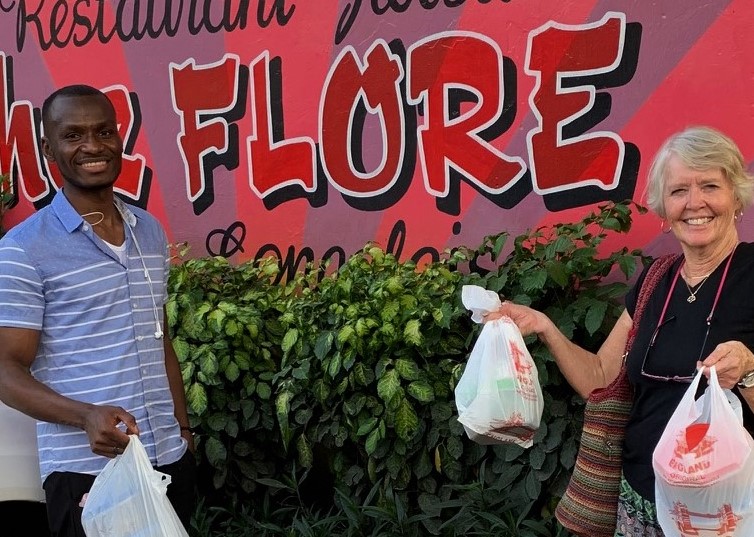
Get this, it was called Chez Flore! Families were dining, kids rocked back and forth on metal porch swings, waitresses and waiters scurried about, a TV or two broadcast loud soccer matches.  

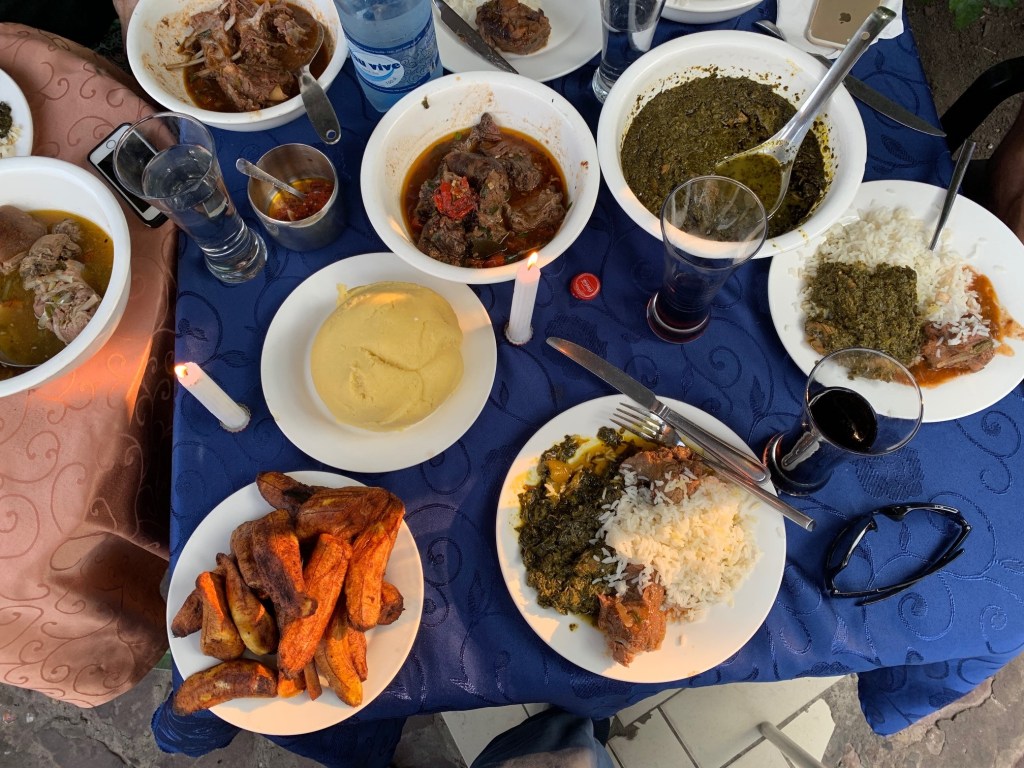
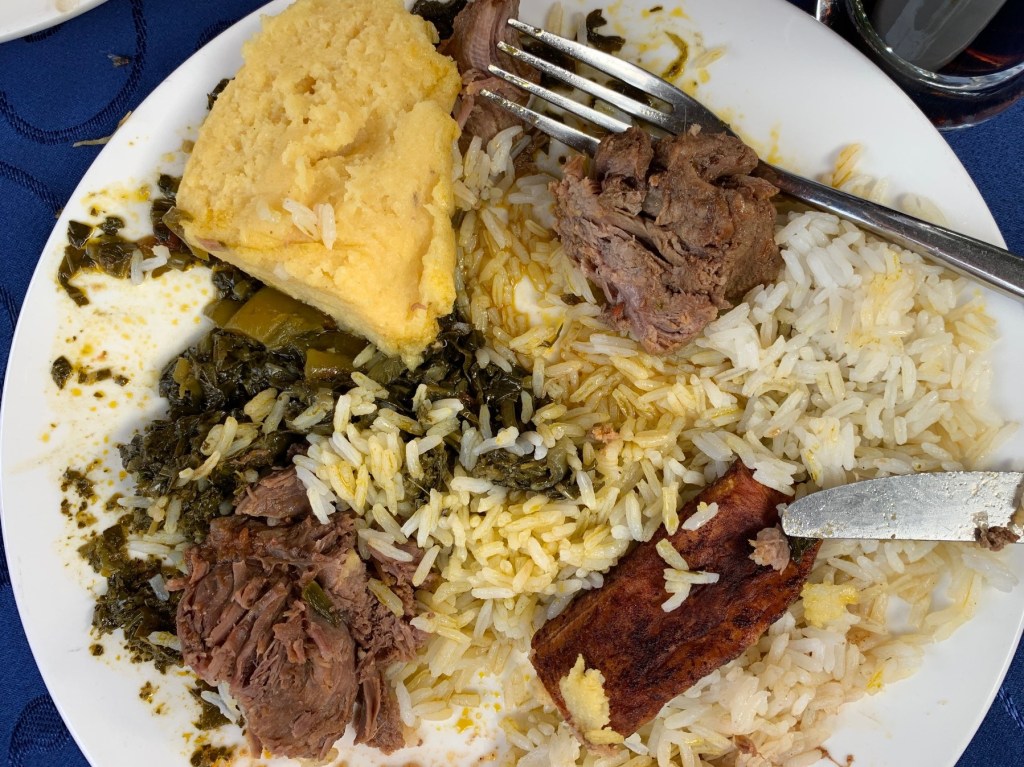
We couldn’t understand a thing on the menu except “porc” With help from the guys, we swallowed hard and placed our order: antelope, goat, and porc, which all came on the bone. The antelope looked like spicy little ribs. We added veggies they call (in Lingala) bitekuteku (beetaykootaykoo). They looked like extremely limp, finely shredded blackish green spinach floating in oil. Trusting our friends, we dished some up and let it glide down our throats. Unusual, to say the least, but pretty tasty!

I found out that one of the bowls, pandu, was cassava leaves, and the other, matembele, was sweet potato leaves!

We came home with mountains of leftovers, great memories, and a resolution to go back soon.


School Days

From Annie 9/28/19

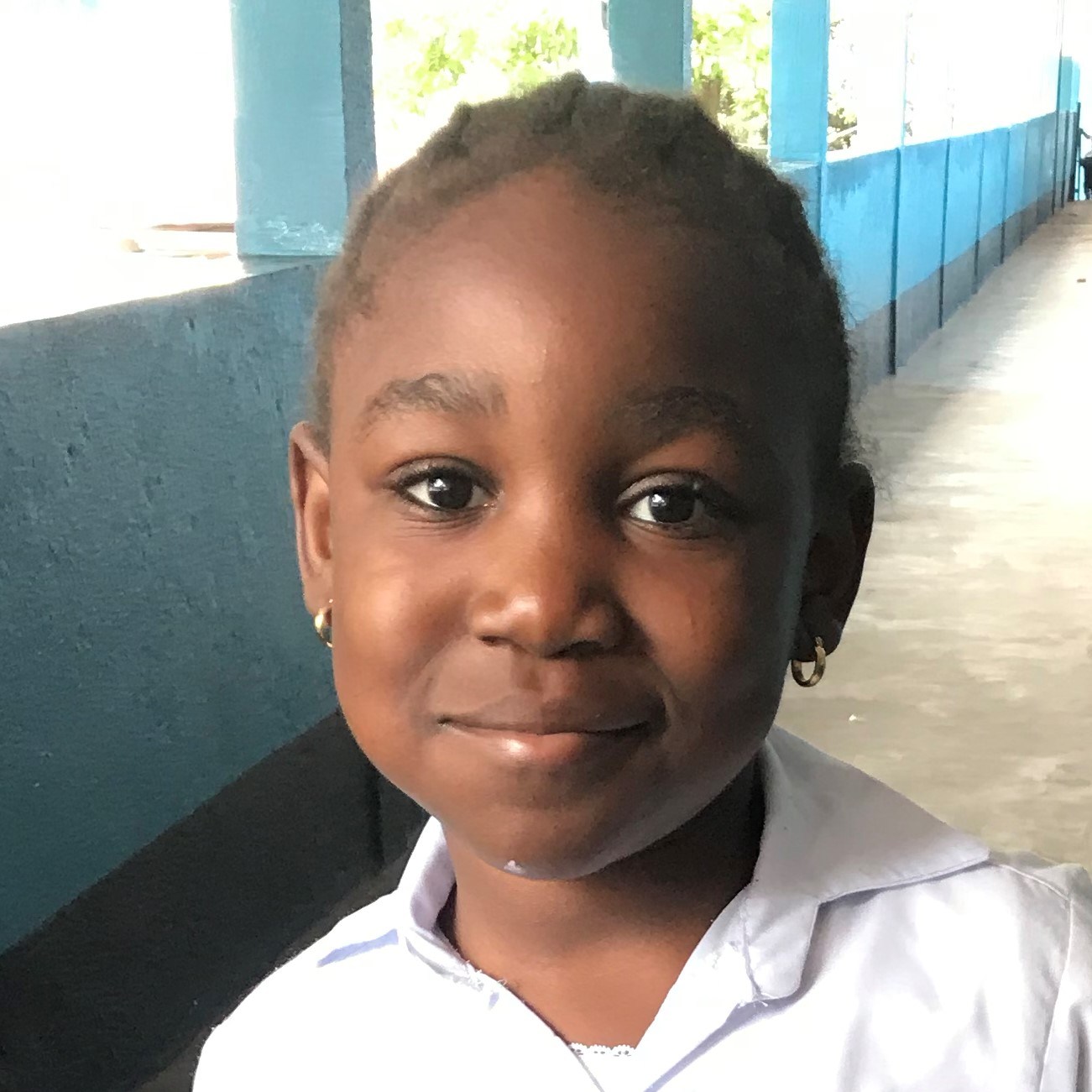
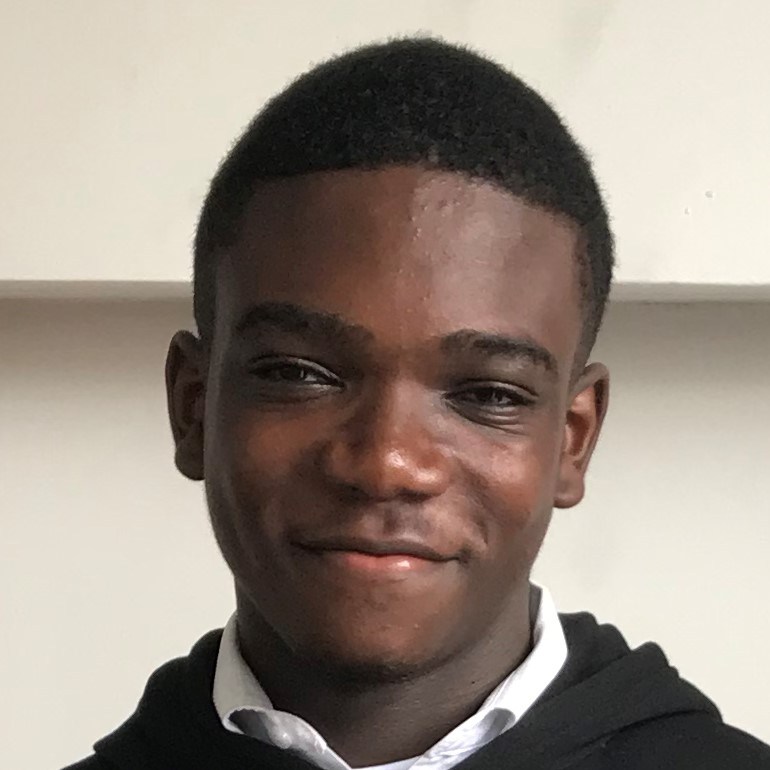
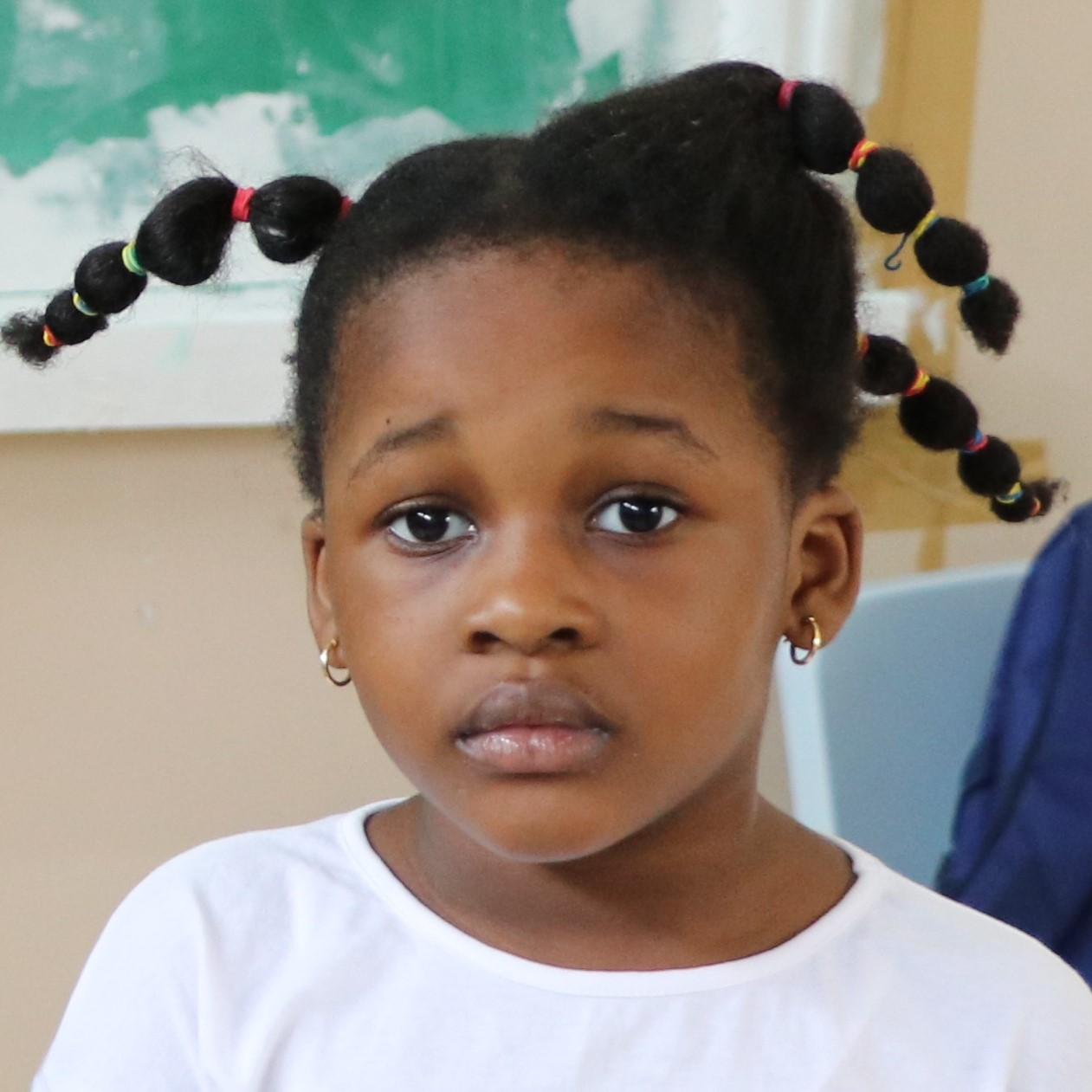
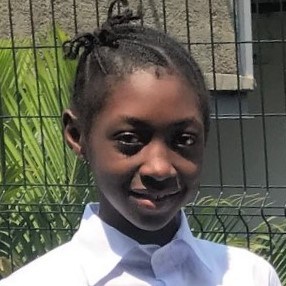
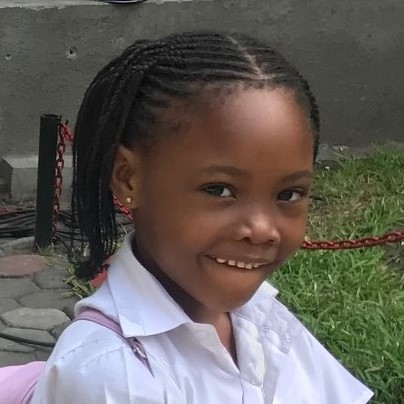
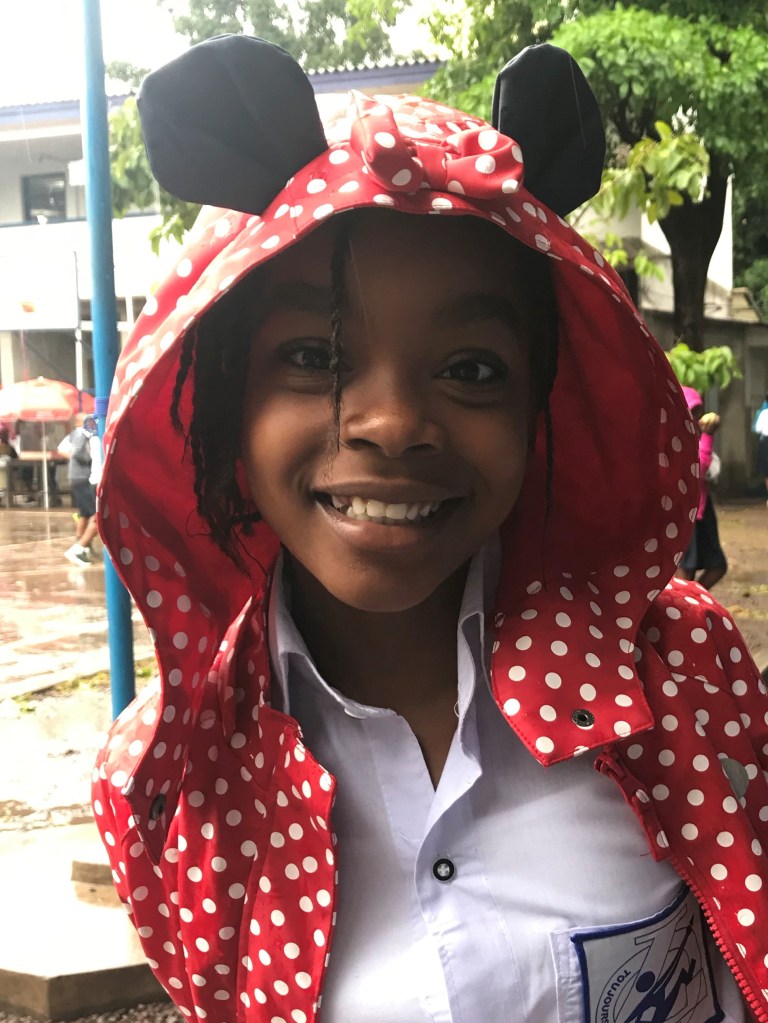
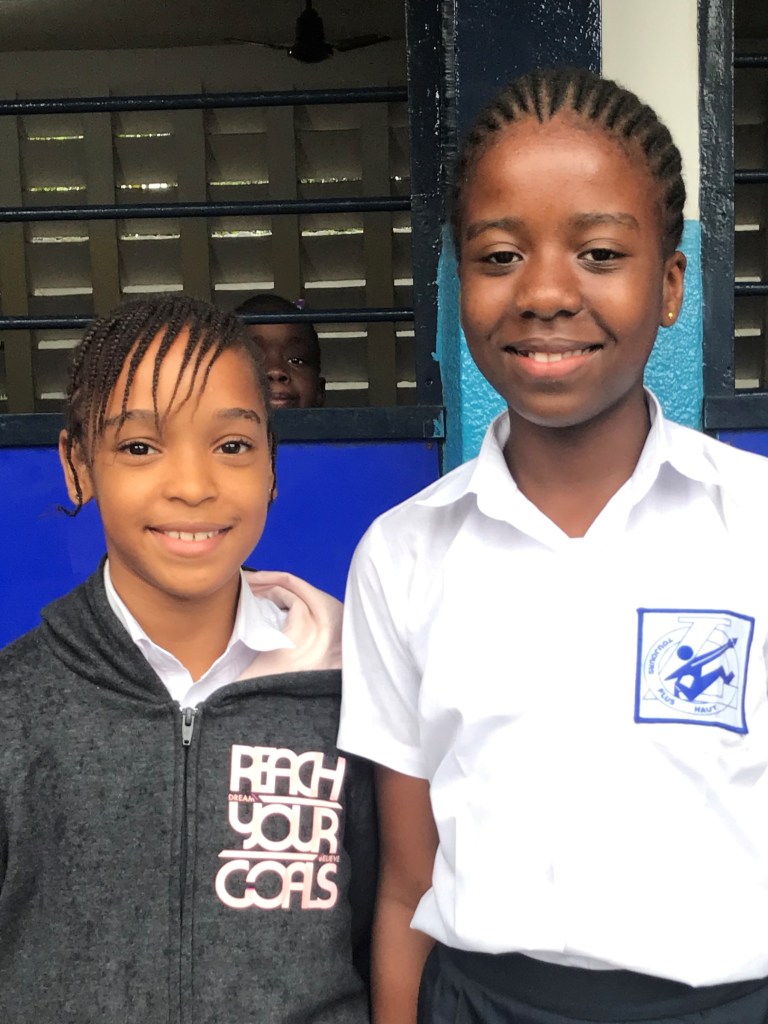
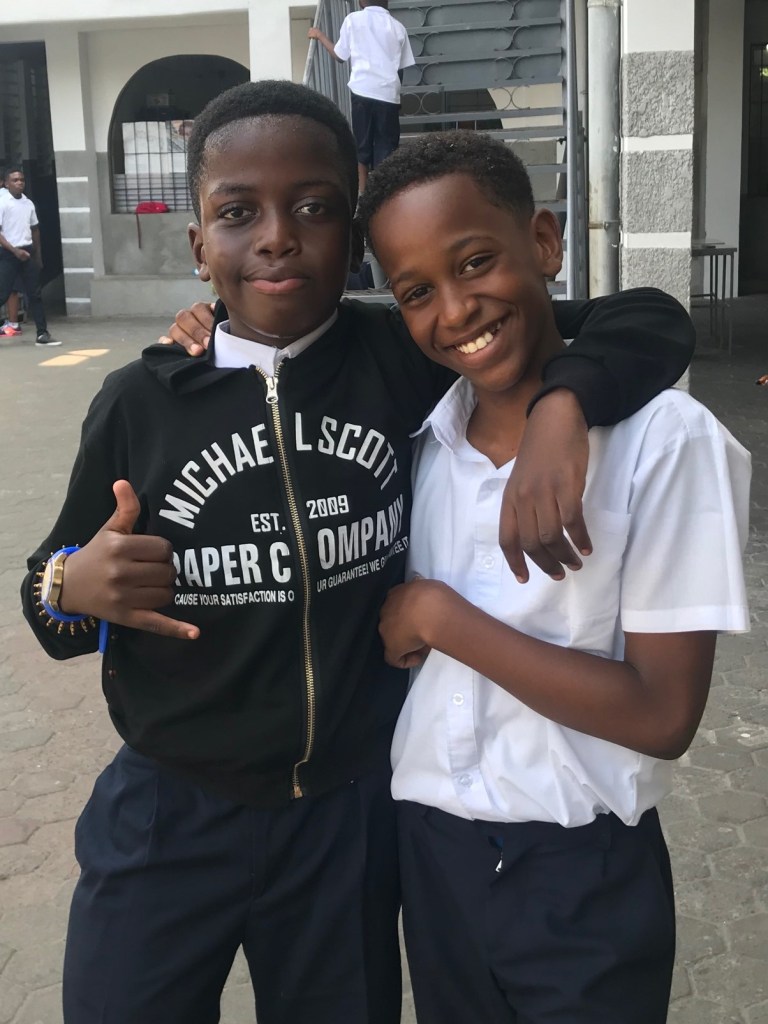
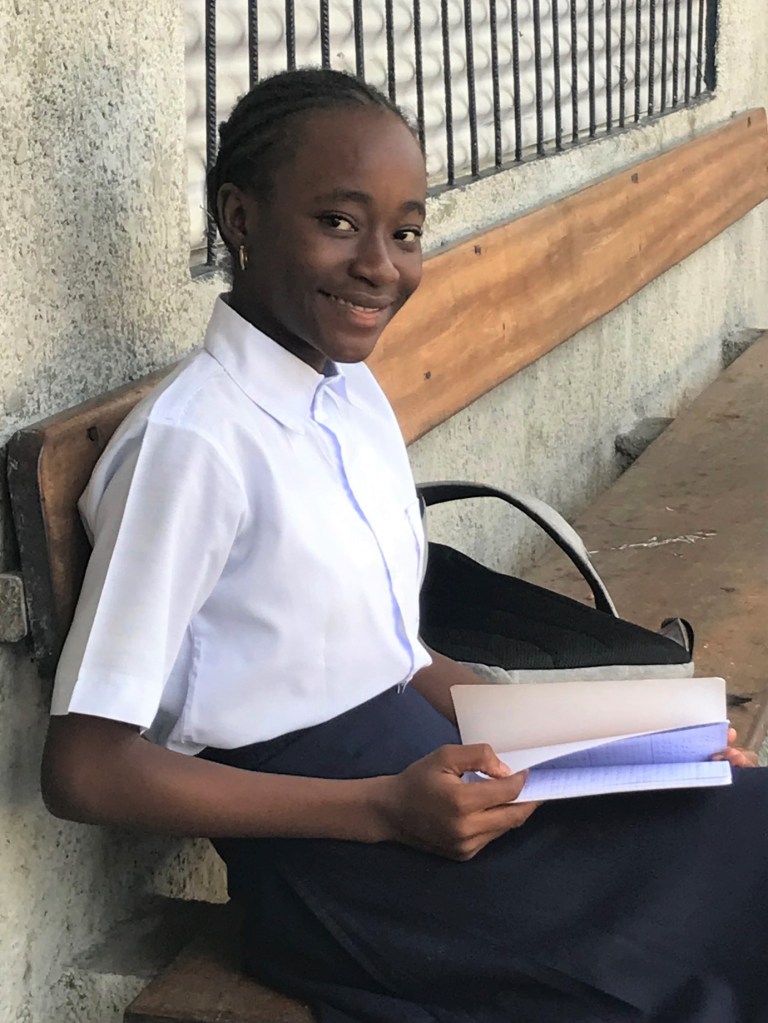
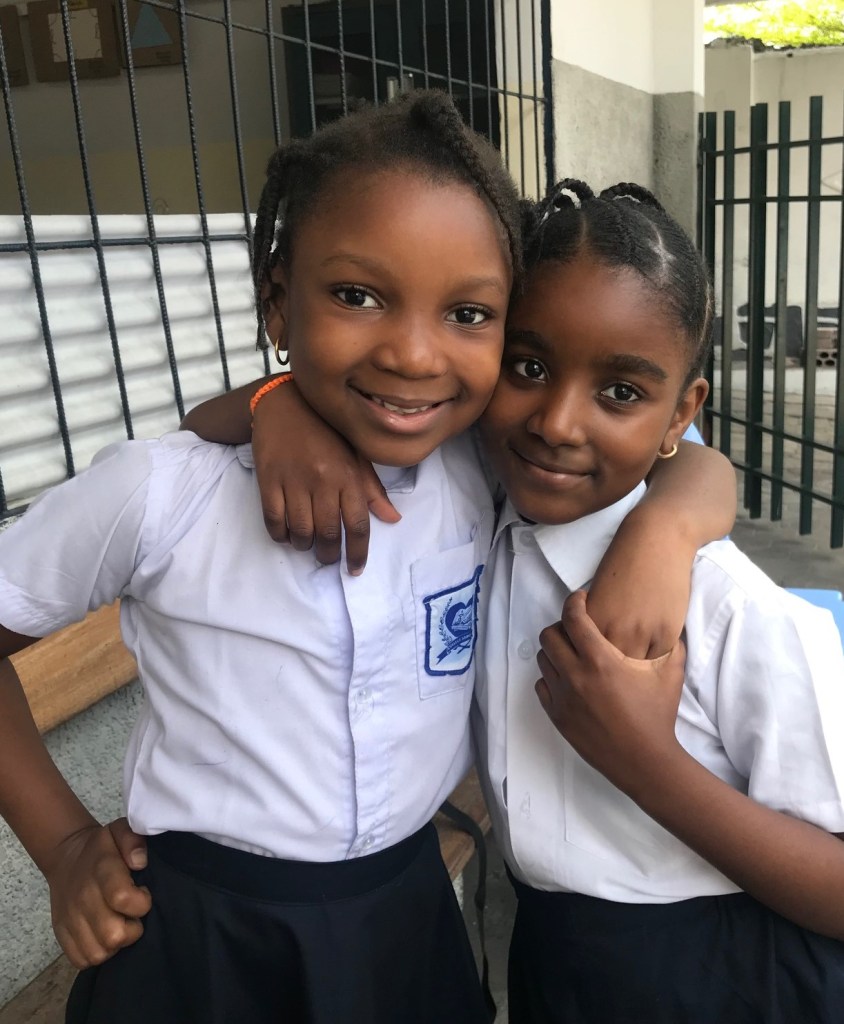
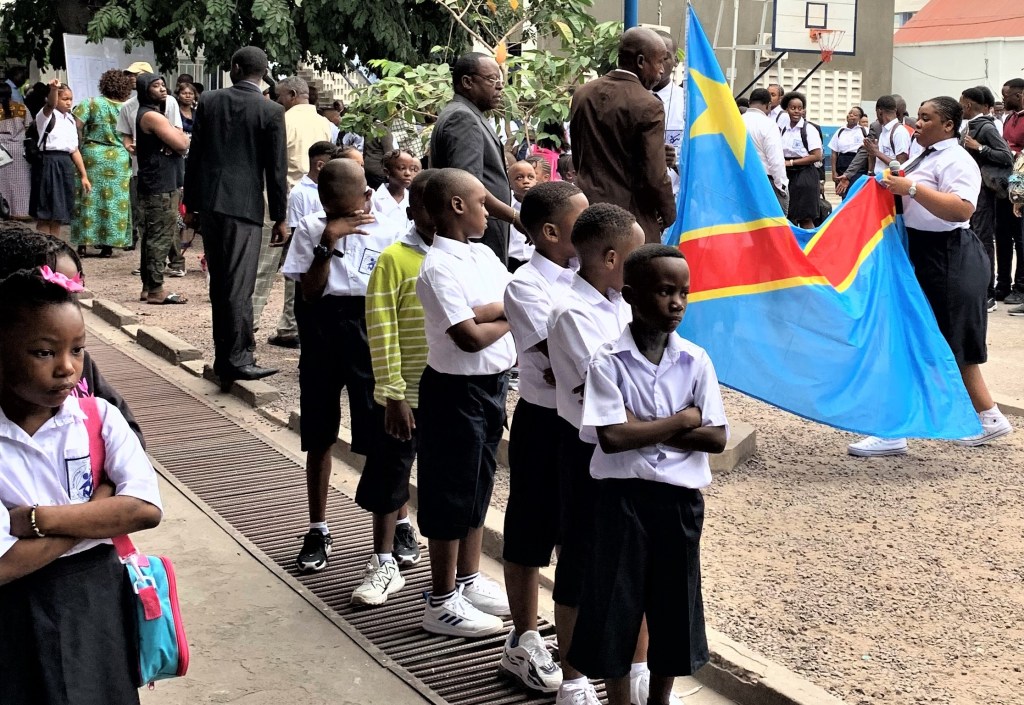
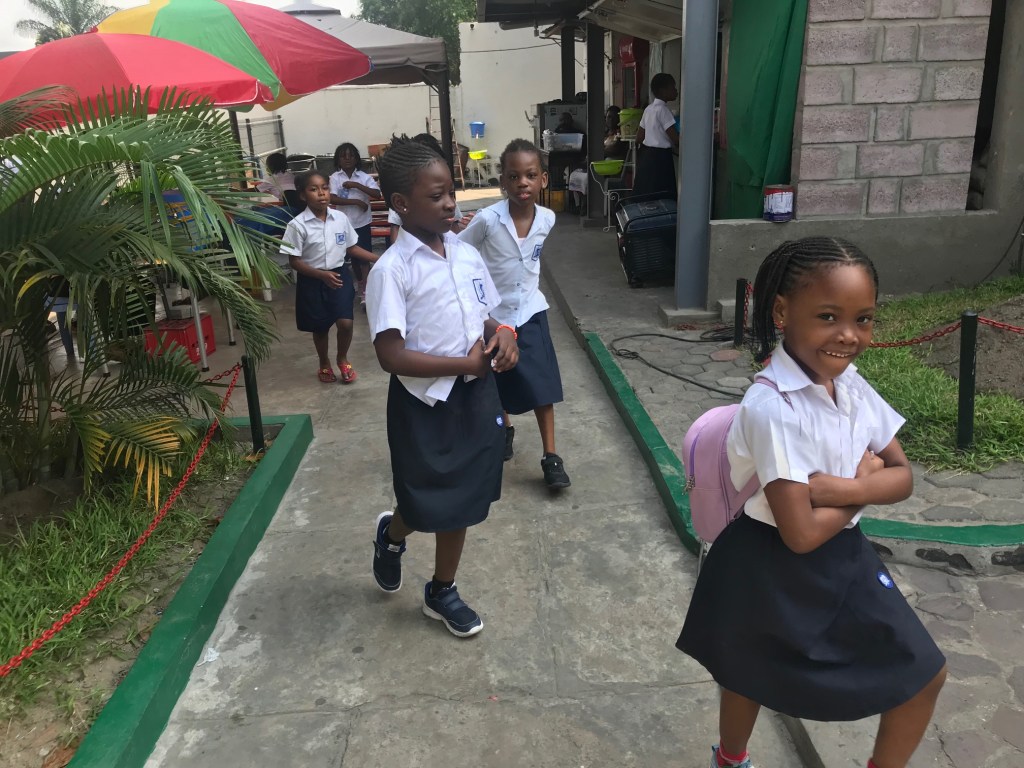
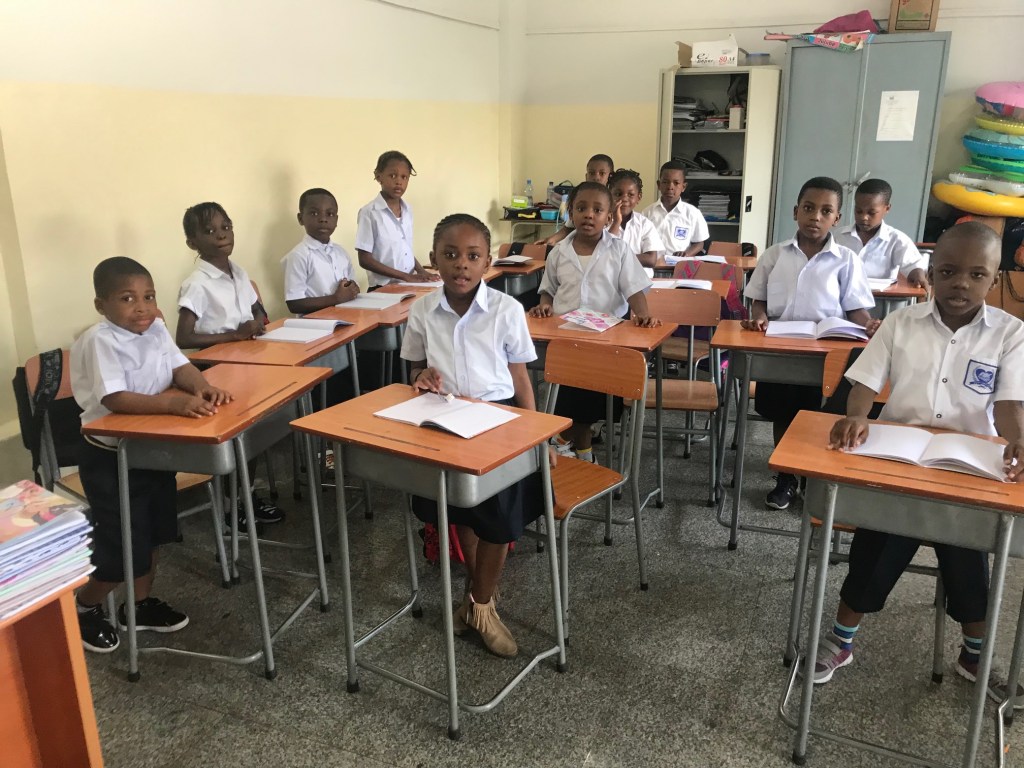
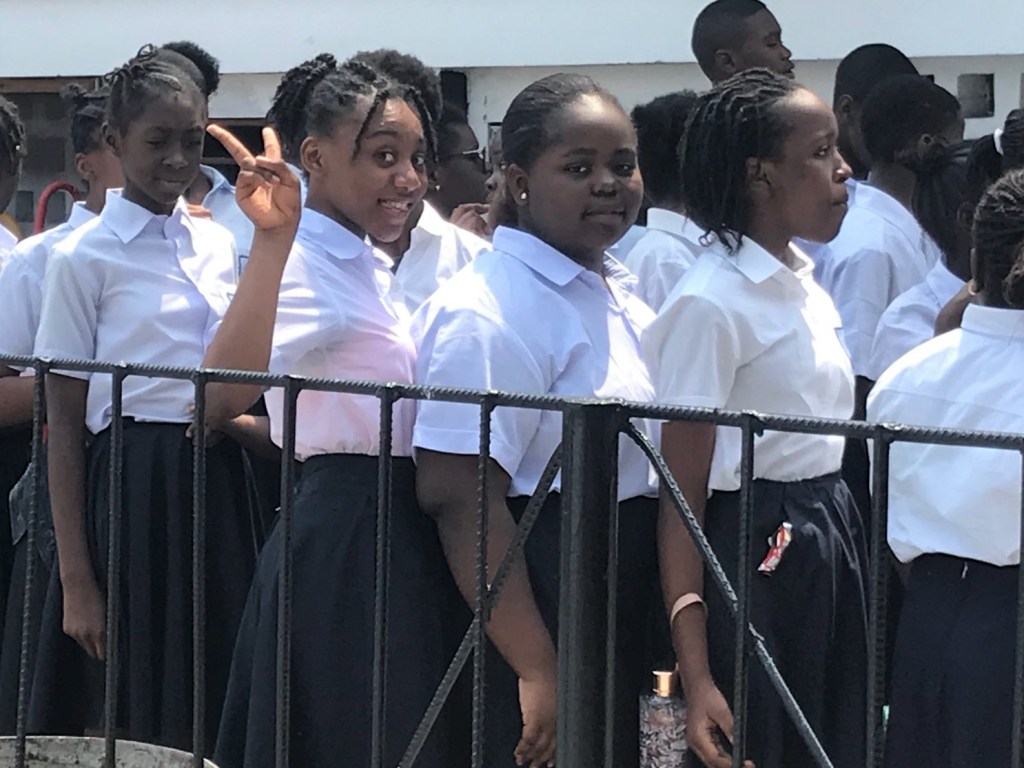
I watch boisterous, frolicking children—each dressed in white and navy blue–instantly freeze at the sound of a whistle, then run to form a silent line. Each child places two hands on the shoulders of the one ahead so the line is perfectly spaced. I see them sit quietly at their desks, copying sentences from the board in beautifully precise cursive, or hear their strong, clear voices singing or reciting in unison.  I listen to teenagers tell us about their intense preparation for the four-day test in June that will determine much of their future.

And I wonder whether an infusion of this focused intensity—or intense focus—might benefit our students.

What have I learned from Congolese schools? Hard work and high expectations strengthen children. They can be expected to sit quietly and listen even if they are bored. Everything about school doesn’t have to be fun.

Good manners, even if they seem mechanical at times, smooth out life’s wrinkles. It is lovely to have children come up, reach out their hands, and greet us in their polite, formal way.  “Hello, my name is Angelique.” If we ask, “How are you?” the sweet, rehearsed response is, “Fine, thank you, and you?” Wouldn’t it be wonderful to see American children so willing and able to speak to adults they have never met?

And yet no bright student art decorates the walls. Children have tall stacks of copybooks, so they can learn to copy hour after hour exactly what is on the board.  An uncontrollable giggle or rambunctious wiggle is met with a stern, embarrassing reprimand or light swat. Inquiry and creativity and spontaneity, things we treasure, are not on the schedule.

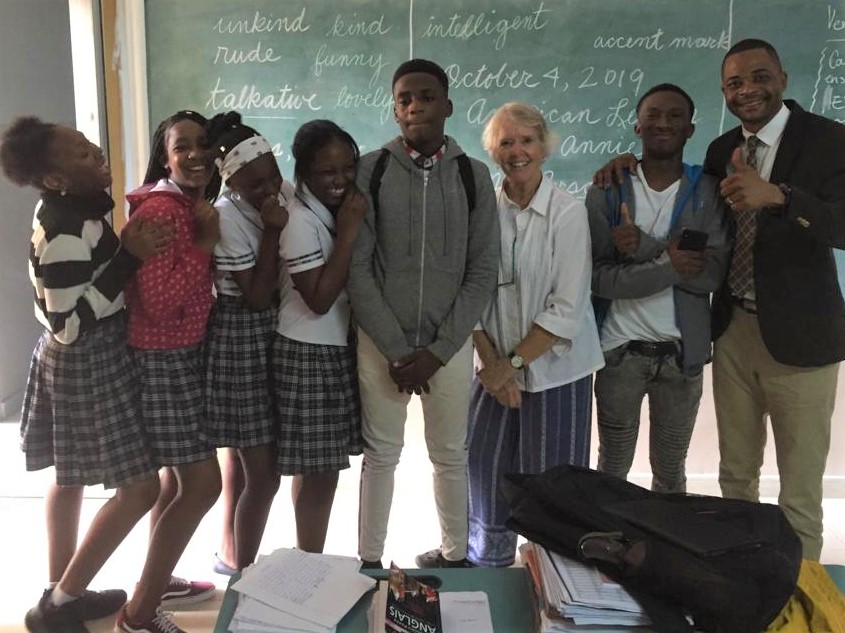
Some teachers, however, believe their students need more. They want to pry open the rigid school system and their students minds. Mr. Kamba, such a fine man, wants his high school students to experience discussions in the English language about current issues. Mr. Bikou, in touch with the times,  asks stimulating questions and personalizes his curriculum but is meeting resistance from other teachers. One of the schools we visit opened its doors for the first time just four weeks ago, and the teachers are all afire to try something new.

One reason we are here with the American Language Institute is to model American teaching techniques that encourage more freedom, individuality, and critical thinking. We will give it our best and hope we can accomplish something in only four months.

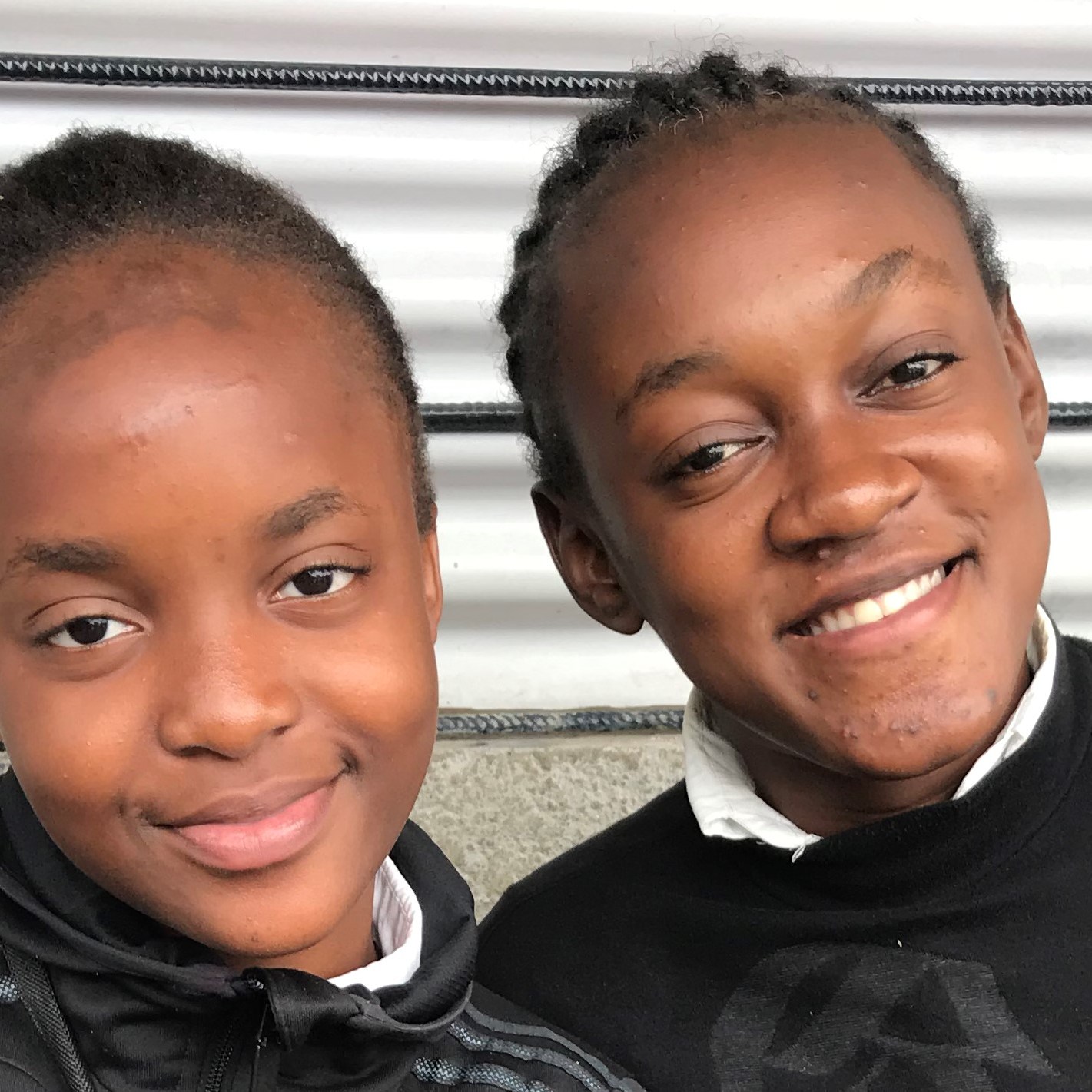
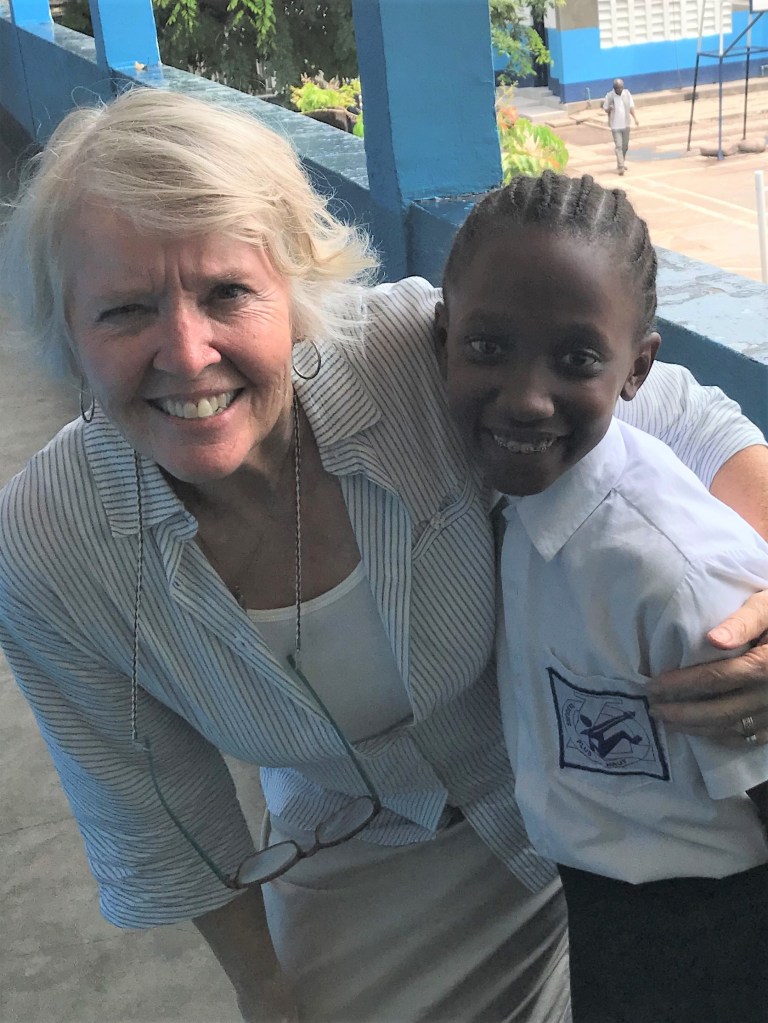
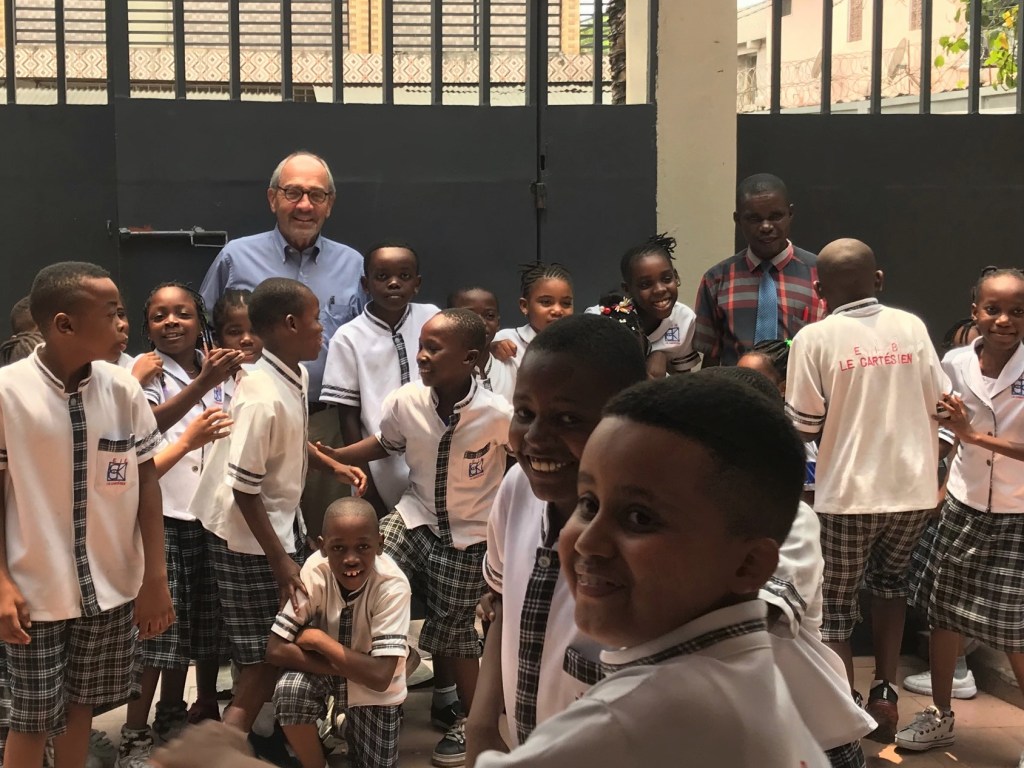
We have already bonded with many of the teachers. And the children come running when they see us, smothering us with hugs, shining smiles all around. I don’t think I’ve ever been surrounded by such exuberantly affectionate children!

As  you probably know, I had hoped to also share my heart with more needy children, those packed into the over-crowded public schools. But for now, this is where we are working and joyfully doing whatever good that we can.